Riyadh Airport Toll Hits 12 Dead, 309 Wounded
Saudi aviation authorities say a missile attack on King Khalid International Airport killed 12 people and wounded 309, the deadliest strike in the kingdom in years.
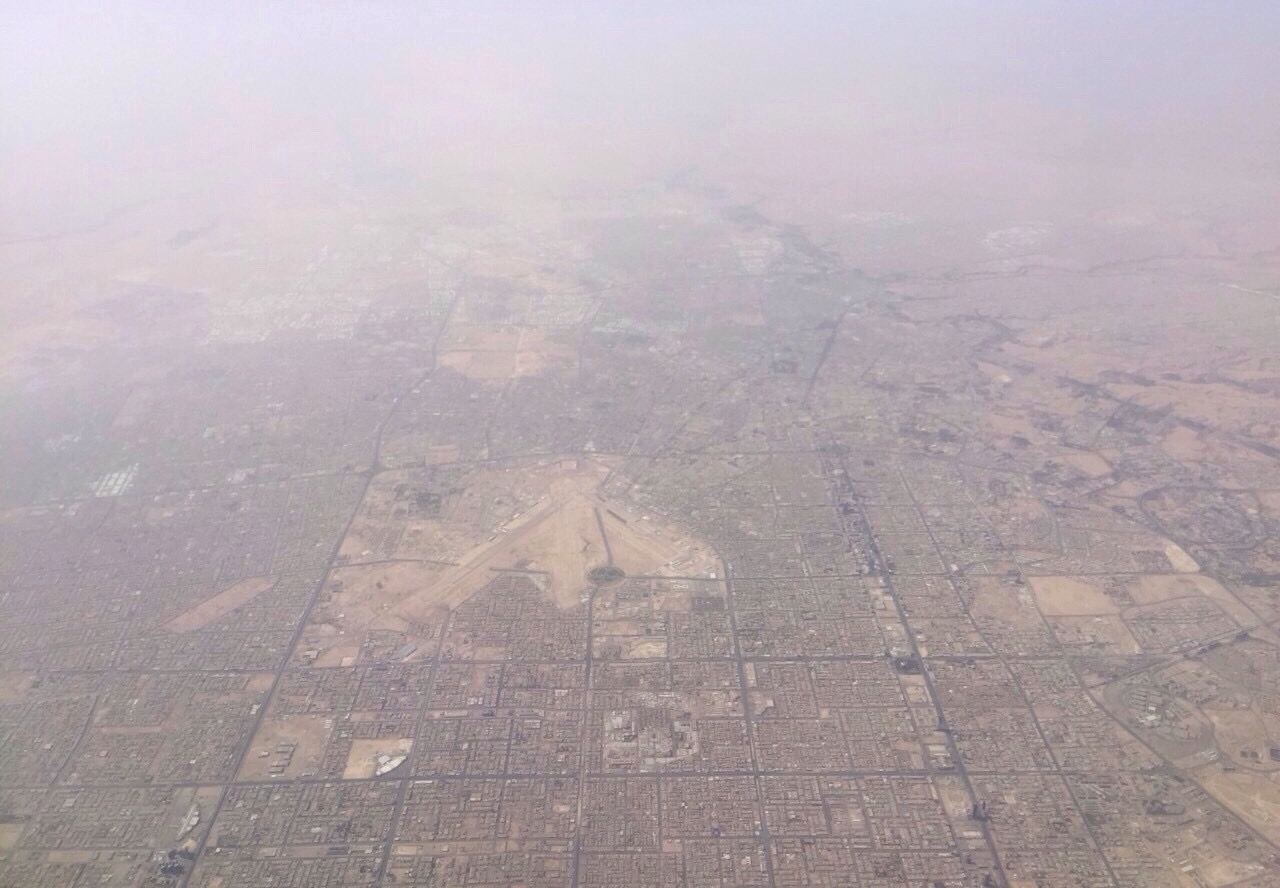
The casualty count from the attack on King Khalid International Airport has risen sharply: Saudi aviation authorities say 12 people were killed and 309 wounded when a missile struck terminal areas in Riyadh. The scale turns a week of disruptive attacks into one of the deadliest strikes inside Saudi Arabia in more than a decade—and intensifies pressure for retaliation.
What happened
The General Authority of Civil Aviation said the dead included four Saudi citizens, two Bangladeshis and one national each from the United States, Egypt, Jordan, Syria, Palestine and Sudan. Some of the wounded were in critical condition. Operations were suspended while emergency teams treated casualties, inspected damage and diverted arriving aircraft.
Major outlets including Reuters, AP, the Financial Times and Al Jazeera converged on the 12-dead, 309-wounded figure. Earlier social-media posts cited 50 wounded; that was an incomplete preliminary count and should no longer be used as the principal toll. The attack followed earlier Houthi-claimed strikes on the airport during the same week.
Why it matters
Civil airports are protected under international humanitarian law, although military use can complicate their status. King Khalid hosts commercial traffic and large numbers of foreign travelers. Any attack on terminal areas creates predictable risk to civilians regardless of the intended target. Saudi officials called it a war crime, and UN Secretary-General António Guterres strongly condemned attacks on the airport.
The Houthis say Saudi airports and infrastructure support air operations against Yemen. Saudi Arabia has conducted a renewed air campaign alongside Yemeni government forces. That military context explains the escalation but does not erase the obligation to distinguish military objectives from civilians.
The strike exposes the asymmetry of the war. Saudi Arabia has advanced fighters, Patriot and THAAD defenses, but defending a vast territory against repeated drones and ballistic missiles is difficult and expensive. Attackers need only one weapon to penetrate; defenders must detect and stop nearly every threat near crowded infrastructure.
The political consequences may be larger than the physical damage. Trump said the United States might join Saudi strikes and would decide quickly. Riyadh can point to foreign casualties and a UN condemnation to build an international case. The Houthis, meanwhile, may believe that airport disruption forces Saudi Arabia to halt operations in Yemen. Both calculations increase escalation risk.
How to read the signal
For readers assessing “Riyadh Airport Toll Hits 12 Dead, 309 Wounded,” the first distinction is between an event, its attribution and the interpretation placed on it. An event may be well documented while responsibility, motive or strategic effect remains contested. Keeping those layers separate prevents a compelling headline from hardening into a conclusion that the underlying evidence cannot yet support.
The second test is incentives. Governments, armed groups, companies and political figures release information to shape behavior as well as describe reality. Their statements can contain accurate facts while emphasizing the details most useful to them. Independent reporting becomes strongest when documents, imagery, market data or multiple firsthand accounts support the official narrative.
Verification and competing accounts
Saudi Arabia’s General Authority of Civil Aviation reported 12 deaths and 309 injuries. Reuters, AP, the Financial Times and Al Jazeera independently reported the official tally. Attribution to the Houthis rests on Saudi statements and the group’s wider campaign; the Houthis had not issued a detailed operation-specific claim when some reports were published. The sourcing used for this report includes Saudi General Authority of Civil Aviation, Reuters, Associated Press, Financial Times, United Nations. Readers should distinguish confirmed events from official attribution, anonymous-source reporting and political interpretation. In a fast-moving story, casualty figures, operational claims and proposed deals can change as authorities release documents or independent evidence emerges.
The verified toll is an official Saudi count and may change as hospitals update conditions. Public reporting has not yet provided a complete forensic reconstruction of the weapon, interception attempts or impact point. The nationalities are based on the Saudi authority’s announcement and should be updated if embassies publish corrections.
What to watch next
Watch for a detailed Houthi claim, satellite imagery, airline schedules and any US decision on direct action. The urgent priority is restoring civilian aviation only when authorities can credibly reduce the risk of another strike.