Did Rubio Say America Must Stop India?
A viral quotation claims Washington openly vowed never to let India rival the United States. No verifiable speech, transcript or official statement supports it.
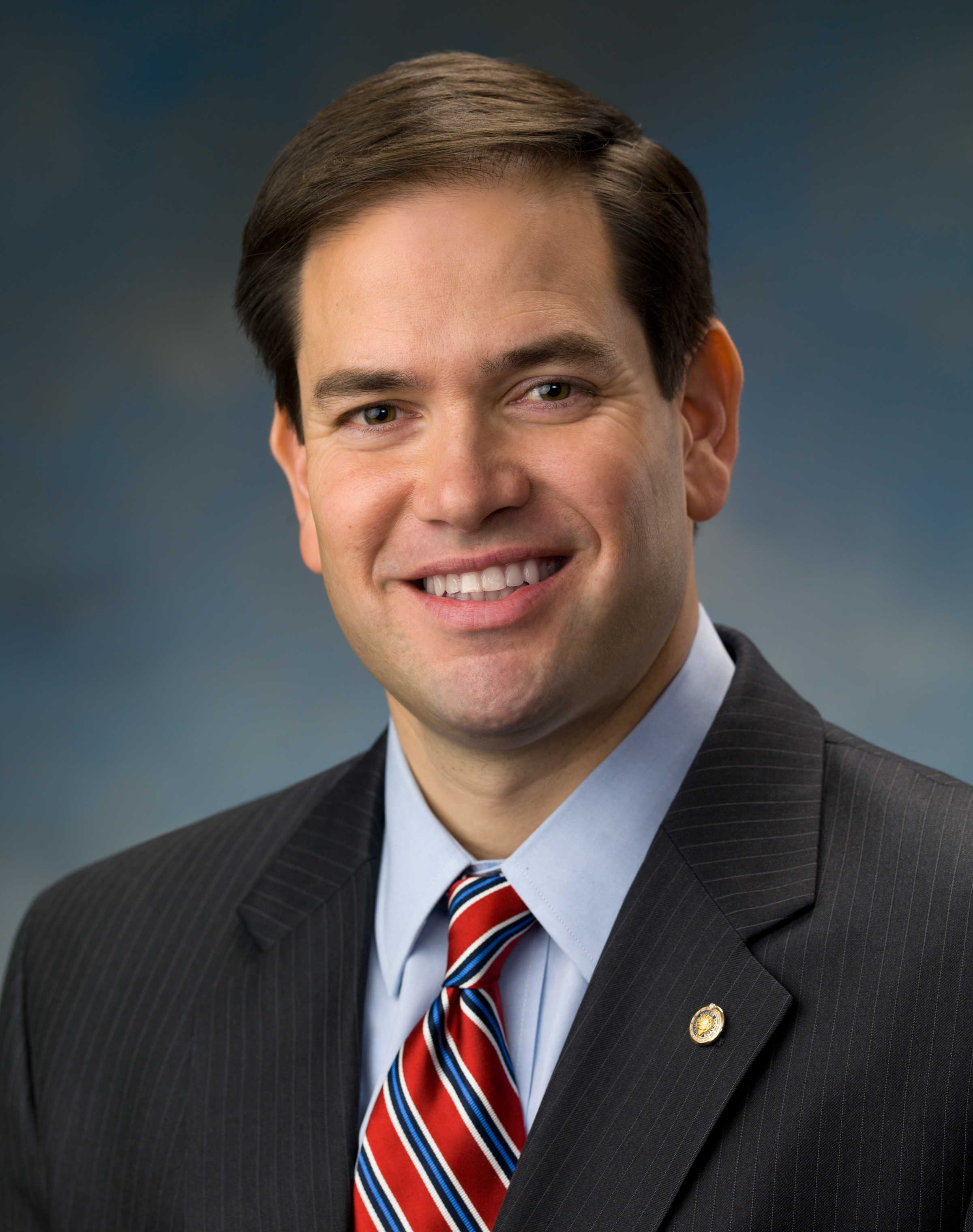
A viral “breaking” quote claims the U.S. secretary of state finally admitted Washington’s real strategy: America will never allow India to develop enough to compete with it and will not repeat the mistake it made with China.
It is an explosive statement. It also has no verifiable source.
Searches of State Department releases, credible news reports and public transcripts found no speech, interview, press conference or video containing the quotation. The posts do not provide a date, location, reporter or original recording. They present a conclusion as a direct quote and rely on repetition for credibility.
The claim resonates because it fits a real debate. Great powers often support partners while limiting technologies that could weaken their own advantage. Washington has used export controls against China and pressured India over Russian oil, trade barriers and strategic autonomy.
India also remembers occasions when Western governments restricted nuclear and defense technology. Suspicion that the United States wants a dependent partner rather than an equal one is not irrational. But historical distrust does not authenticate a specific sentence.
Current policy points in a more complicated direction. Washington views India as a major counterweight to China and a key member of the Quad. Secretary of State Marco Rubio has worked to repair strained relations, while American firms seek access to India’s market, talent and manufacturing capacity.
That partnership contains competition. U.S. companies compete with Indian services and pharmaceutical firms; immigration rules affect Indian professionals; and Washington wants New Delhi aligned with sanctions and security priorities that India may reject.
The United States may try to shape India’s development in ways favorable to American interests. India does the same in reverse through local-content rules, technology policy and bargaining between Washington, Moscow and Beijing. International partnerships are rarely altruistic.
False quotations damage legitimate criticism because they allow officials to dismiss real evidence as propaganda. A stronger analysis would examine tariff schedules, technology-transfer limits, visa policy, defense agreements and sanctions threats—the actual instruments through which power operates.
Why fabricated admissions work
The quotation follows a familiar propaganda structure: a powerful official supposedly says the hidden part aloud. Because the sentence confirms the audience’s prior suspicion, readers feel less need to ask where and when it was spoken.
Translation and attribution make verification harder. Posts may label the speaker only as “the U.S. secretary of state,” allowing versions to circulate under different names. A genuine major-policy declaration would generate video, diplomatic protest, market reaction and coverage across Indian and international media.
There are real pressure points to examine instead. Washington can restrict advanced technology, use financial sanctions, impose tariffs and condition defense cooperation. India can diversify partnerships, demand local production and use its market size as leverage. Those policies reveal competition more reliably than a meme.
New Delhi also has agency. It is not simply choosing between submission to America and alignment with China. India cooperates with the United States in the Quad, buys Russian energy and weapons, competes with China at the border and participates in BRICS. Strategic autonomy is designed to prevent any single power from dictating its development.
The strongest response to manipulation is source discipline across political camps. A quote favorable to one’s worldview should receive more scrutiny, not less. If no recording, transcript or contemporaneous report exists, the honest label is “unverified,” even when the broader suspicion feels plausible.
Indian officials would almost certainly respond publicly if a U.S. secretary made such a blunt declaration. The absence of a diplomatic protest is not conclusive on its own, but combined with the missing recording and transcript it further weakens the claim.
What to watch next
Can anyone produce the original video or State Department transcript? What terms emerge from U.S.-India trade negotiations, and how does Washington treat Indian purchases of Russian oil? The relationship includes rivalry and pressure. That does not make an unsourced confession authentic.