Rubio Says Iran Wants a Deal but Calls Its Conditions ‘Absurd’: Is the Blockade Replacing a New US Strike?
Marco Rubio says Washington remains open to a deal but sees no need for major strikes while sanctions and the blockade pressure Tehran.
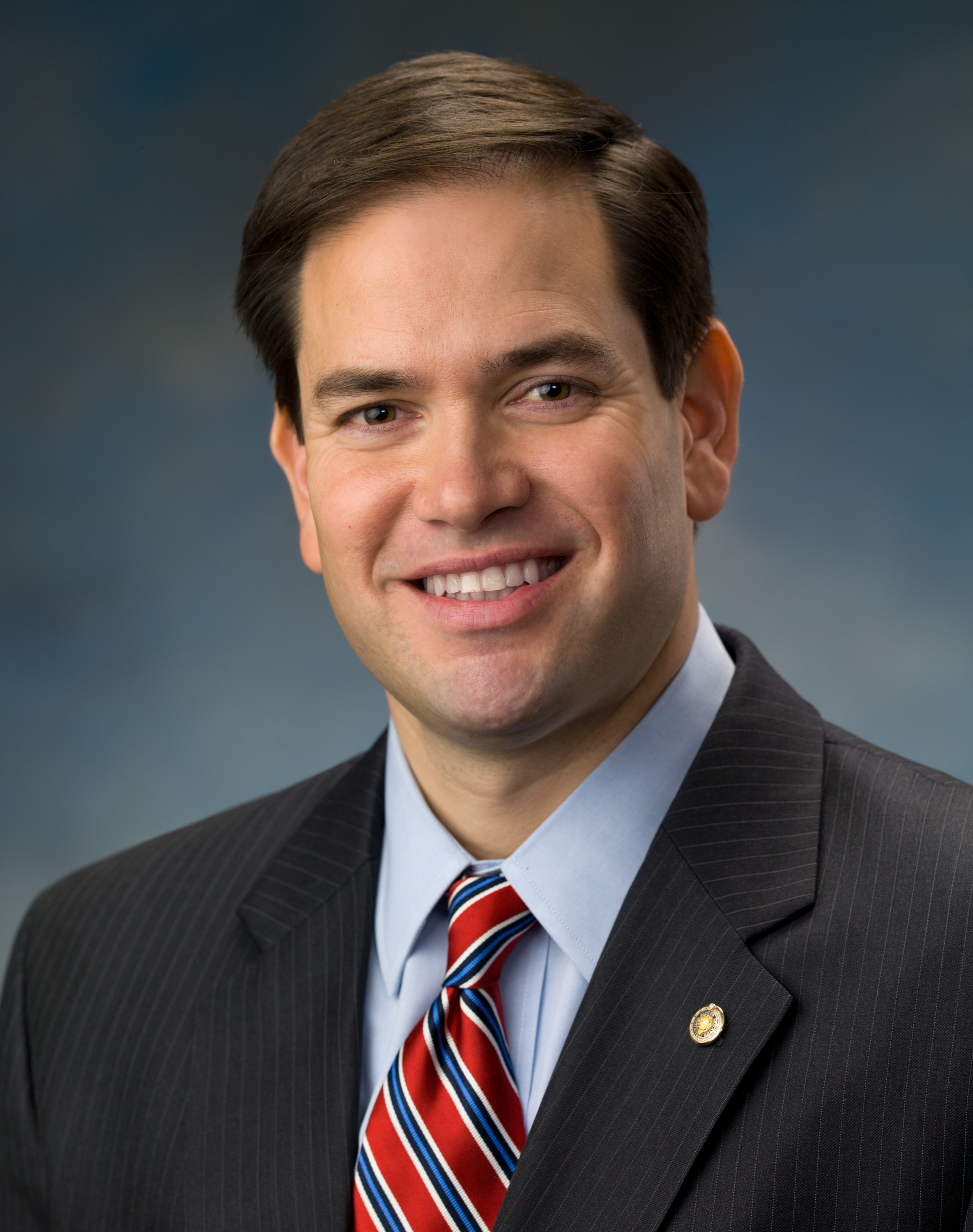
Washington says pressure may be working—but no breakthrough
Secretary of State Marco Rubio said the United States remains open to a diplomatic agreement with Iran but described Tehran’s conditions as unrealistic. He said a demand for reparations would not be accepted and argued that sanctions and the naval blockade are causing enough economic damage that President Donald Trump does not need to resume major combat operations immediately.
That is not the same as declaring the crisis over. Rubio said there was no breakthrough, while Trump has said US forces remain ready if circumstances change. Gulf leaders, including Qatar, have urged diplomacy. Iranian proposals reportedly include ending the blockade, lifting sanctions, unfreezing assets and compensation for war damage—terms Washington rejects.
The administration’s argument is that economic pressure may secure concessions without another round of strikes. But pressure can also deepen civilian hardship and harden resistance. The transition in Israel’s government may affect the diplomacy, but its impact is not yet clear.
Is the blockade creating leverage or simply freezing the conflict? If Iran rejects Washington’s terms and the US avoids immediate strikes, how long can the standoff last?