Russia Arrests Japanese Reporter on Espionage Charges
The FSB detained accredited Hokkaido Shimbun correspondent Yuki Imai on Sakhalin and transferred him to Moscow, alleging he collected defense data.
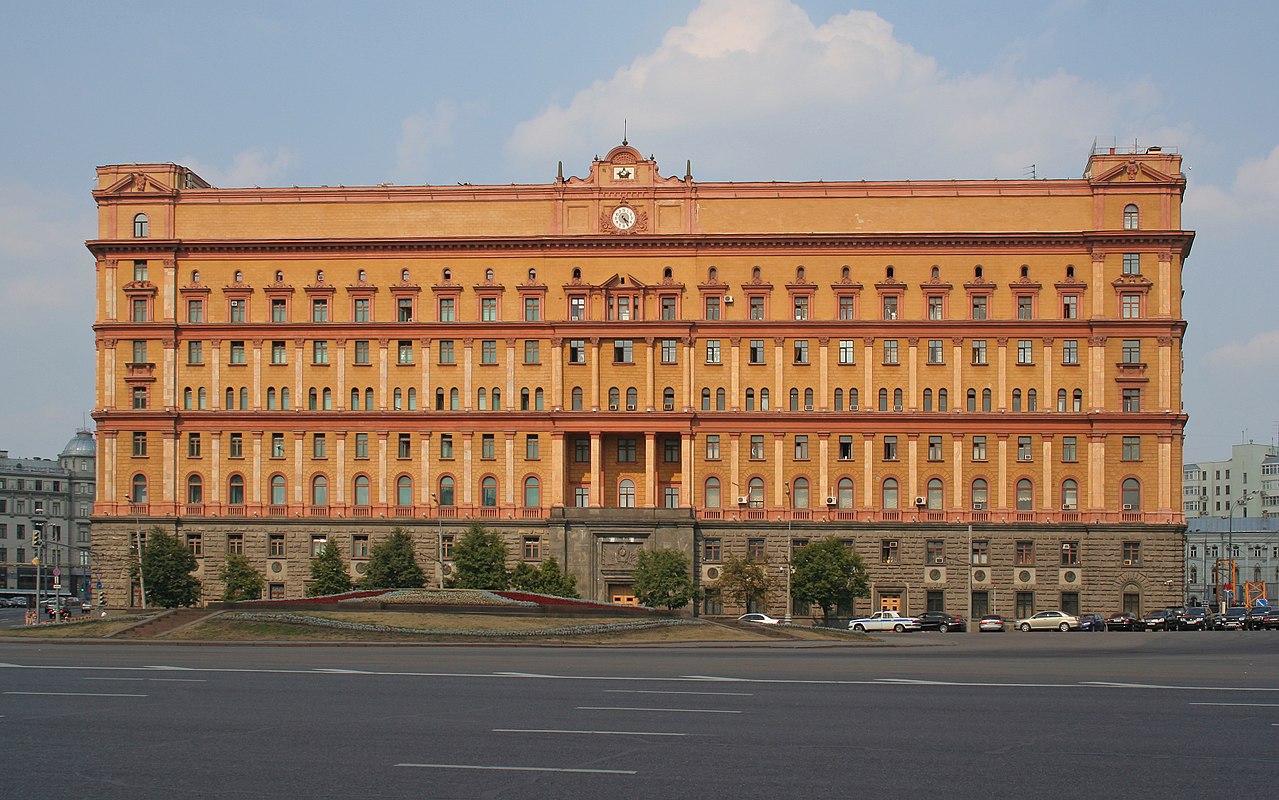
Russia has arrested an accredited Japanese journalist and accused him of spying. Yuki Imai, a correspondent for Hokkaido Shimbun in Yuzhno-Sakhalinsk, was detained shortly before leaving the country, flown to Moscow and placed in custody as relations between Moscow and Tokyo deteriorate.
What happened
The FSB alleges Imai gathered and stored information about Russia’s defense capabilities for transfer to a Japanese intelligence service. State-released video showed masked officers detaining a man and transporting him. The Foreign Ministry said it regretted that Tokyo allegedly used journalism as cover.
Imai had Russian accreditation and recently reported on North Korean nationals in the region. Japanese officials and his newspaper were seeking information and consular access. No detailed public indictment or evidence demonstrating intelligence direction had been released.
Why it matters
Sakhalin and the nearby Kuril Islands are strategically sensitive. Japan claims islands controlled by Russia, and Vladimir Putin’s recent visit to the archipelago increased tensions. Russia has expanded the use of espionage and national-security law during wartime.
Journalists legitimately collect information about military affairs. The legal boundary turns on methods, classified material and whether a reporter acts under direction of an intelligence service—questions that require evidence, not merely sensitive subject matter.
The case could become leverage in a wider dispute with Japan. Transferring Imai to Moscow increases state control and separates him from his reporting base. It also warns other foreign correspondents that ordinary defense reporting may carry exceptional risk.
Japan should press for access and disclose what it learns without assuming innocence or guilt in advance. Russia should present evidence in a proceeding that allows meaningful defense rather than rely on an edited arrest video.
How to read the signal
The essential discipline in reading “Russia Arrests Japanese Reporter on Espionage Charges” is to separate the event from the story built around it. A missile launch, economic statistic, arrest, diplomatic statement or protest may be documented while its cause, scale or strategic meaning remains contested. Strong analysis preserves that boundary instead of rewarding the fastest viral interpretation.
Every actor has incentives. Governments seek deterrence, public reassurance and political advantage. Armed groups advertise reach while minimizing responsibility. Opposition figures emphasize institutional failure, and social-media accounts compress uncertainty into a slogan. The clearest picture comes from comparing official statements with independent reporting, documents, technical evidence and observable implementation.
Timing matters as well. Initial reports frequently contain incomplete casualty totals, confused locations or claims made before investigators reach a scene. Later evidence can revise a figure, identify a weapon or show that two alerts described one event. A responsible account remains updateable rather than treating the first post as settled history.
The practical test is what happens next. Trade flows, flight schedules, repair activity, sanctions records, military deployments, court filings and market prices reveal whether a headline represents a durable change. Rhetoric can move opinion immediately, but measurable conduct determines who gained leverage and who absorbed the cost.
A cautious conclusion is not an evasive one. It states what the evidence establishes, labels what is alleged and identifies what would resolve the uncertainty. That approach allows serious risks to be discussed without amplifying a dramatic claim simply because it is politically useful or easy to share.
Readers should also resist false binaries. An official account can contain accurate facts and strategic omissions; a critic can identify a genuine problem while exaggerating its scale. Confidence should rise only when different evidence streams converge, and it should fall when a claim depends on one anonymous source, cropped clip or unexplained chart.
Verification and competing accounts
The arrest and FSB allegation are confirmed by Russian authorities and international reporting. The spying charge has not been tested in open court, and publicly available evidence does not independently establish that Imai worked for Japanese intelligence. Sources used for this report include Associated Press, Hokkaido Shimbun, Japan Times, Russian FSB, Russian Foreign Ministry. Claims from belligerents, anonymous officials and viral posts are attributed rather than converted into established fact. Figures and operational details may change as authorities release evidence or corrections.
Calling Imai a spy as an established fact would repeat the prosecution’s allegation. Calling the case fabricated would also exceed the evidence. His accreditation does not immunize illegal conduct, but it makes transparency especially important.
What to watch next
Watch formal charges, court access, consular visits and Hokkaido Shimbun’s account of his assignments. Any prisoner exchange discussion would suggest the case has become diplomatic bargaining material.