Satellites, Smoke, and Storytelling: What Images Show About Strikes\u2014and What They Hide
Satellite imagery and verified photos are shaping public understanding of the war—from fires at energy sites to damage near bases. But images can mislead as easily as they can clarify, especially in fast-moving conflicts. (Reuters)
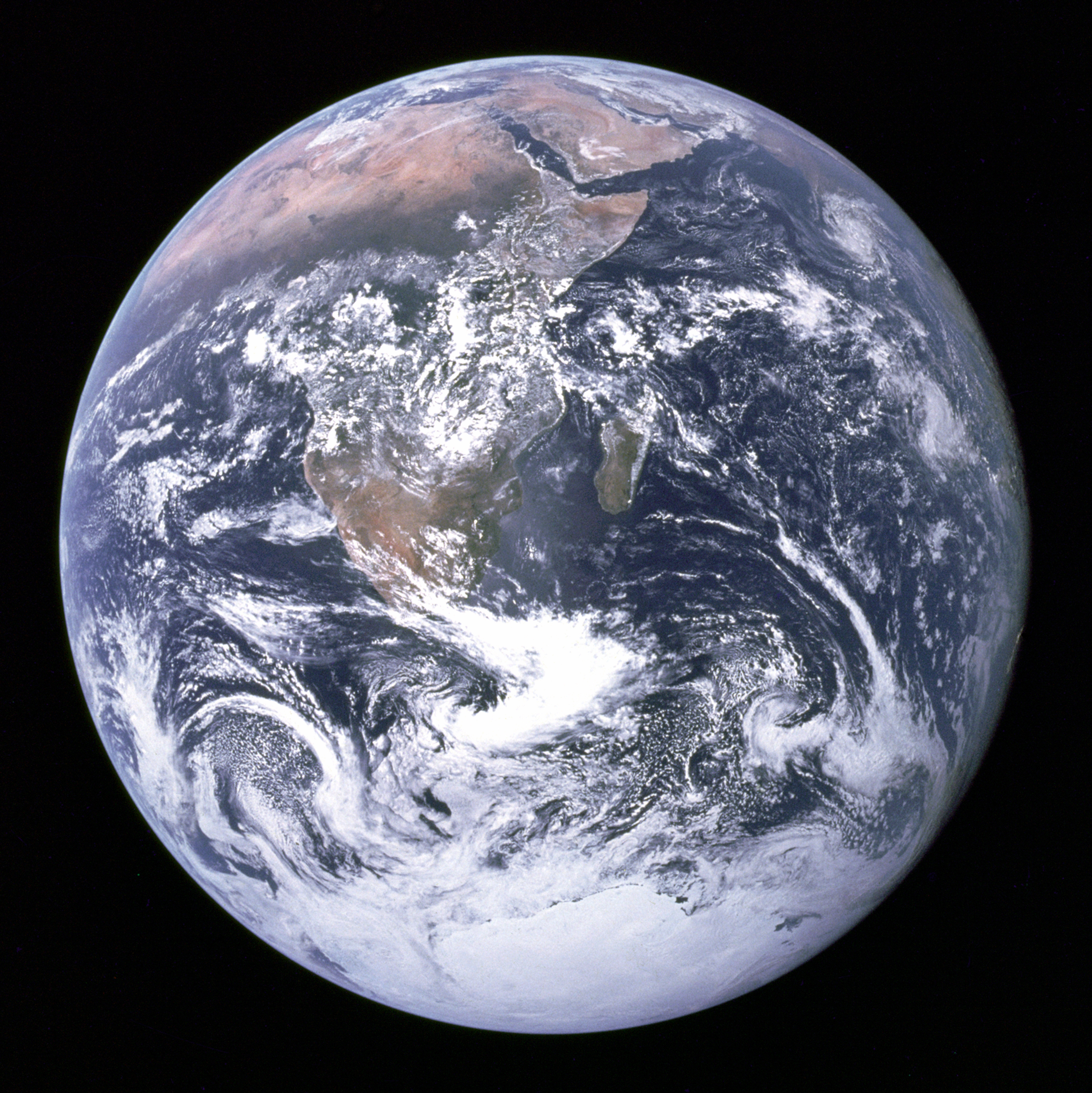
This war is being fought in two arenas at once: the battlefield—and the feed. Satellite imagery, drone footage, and still photographs now arrive faster than official statements, shaping public belief before investigations begin.
Reuters photo series have documented the breadth of Iran's retaliatory strikes across the region, including images from multiple Gulf locations and strike aftermaths that have become reference points for global audiences. (Reuters) Reuters reporting also described strikes and fires affecting key logistical and energy nodes, including incidents at or near port and fuel infrastructure in Oman (Duqm) and broader disruptions across Gulf business operations. (Reuters)
But images have limits—and those limits now have strategic consequences.
A satellite image can show smoke, scorch marks, and structural disruption. It cannot show intent, command decisions, internal debates, or what was prevented by interception. A photo of a fire near a port can create the impression of a catastrophic strike even when operations resume quickly. Conversely, a lack of visible damage can create the impression that an attack “failed,” even if the true impact was on systems, personnel movement, or confidence.
That is why the OSINT (open-source intelligence) ecosystem needs a discipline that social media rarely rewards: patience.
In practice, responsible image-based assessment usually requires at least three elements:
multi-angle confirmation (different satellites or ground images),
time comparison (before/after with consistent framing),
and context (known facility layout and operational status).
When those elements are missing, images become political tools—used to claim victory, minimize loss, or justify escalation. In this conflict, nearly every major actor benefits from selective storytelling: governments seek deterrence; publics seek reassurance; markets seek clarity; and online ecosystems seek engagement.
There is also a psychological reason images matter more now than ever: this war is increasingly about endurance. Analysts describe it as a competition of salvos, interceptors, and replenishment capacity—meaning perception of who is “holding up” becomes almost as important as the physical ledger of damage. (The Guardian) A single vivid image can tilt belief about endurance, even if it represents a narrow slice of reality.
For energy markets, imagery has immediate price relevance. A fire at a visible energy-related site triggers speculation about supply disruption, even when officials say production is stable or rerouted. Reuters reporting has highlighted how quickly disruptions ripple into business and logistics decisions across the Gulf. (Reuters) Imagery accelerates those decisions—sometimes rationally, sometimes emotionally.
For policymakers, the most dangerous image effect is escalation by misinterpretation. If leaderships feel domestically cornered by viral visuals—burning buildings, collapsing roofs, “proof” of humiliation—they may respond faster and harder than strategy would otherwise dictate. That is how wars widen: not only through capability, but through compelled politics.
So what should readers do with imagery right now?
Treat it as evidence of an event, not evidence of a conclusion. An image can tell you something happened. It rarely tells you what it means. The “meaning” comes from cross-checked reporting, technical analysis, and time.
In the coming days, the most reliable picture of the war will not be one dramatic photo. It will be a composite: verified incidents, sustained operational trends, diplomatic decisions, and economic signals. Images will remain essential—but the most strategic readers will resist the temptation to let smoke become certainty. (Reuters)