$24.3 Billion F-35 Deal for Saudi Arabia: Game-Changing Defense—or a Stealth-Technology Gamble?
The State Department has approved a possible sale of 48 F-35s and 49 engines to Saudi Arabia, but Congress, delivery timelines and technology safeguards remain decisive.
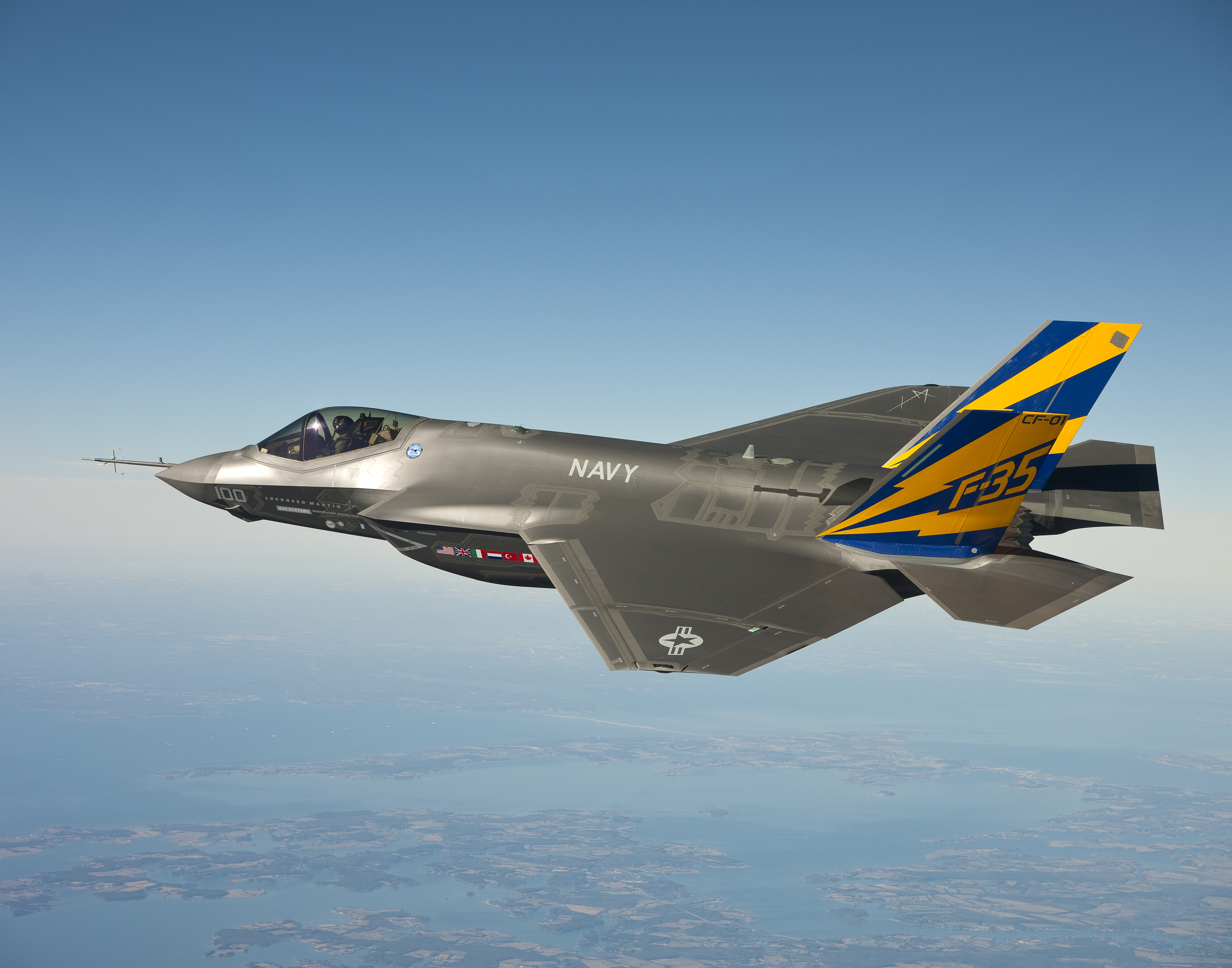
The United States has cleared the way for Saudi Arabia to buy 48 F-35 stealth fighters and 49 Pratt & Whitney engines in a package valued at $24.3 billion. The decision could transform the kingdom's air force and the regional balance—but 'approved' does not mean signed, delivered or operational.
The State Department's Foreign Military Sale notification opens a congressional review process. Lawmakers can object, seek conditions or attempt to block the transaction. After review, governments and contractors must negotiate a final contract, production slots, training, basing, security and support. The advertised value is a ceiling estimate and may change.
Saudi Arabia wants the F-35 because it combines low observability, advanced sensors, electronic warfare and networked targeting. It would provide capabilities beyond Riyadh's F-15 fleet, particularly for penetrating defended airspace and sharing a sophisticated battlefield picture. In the Middle East, Israel is currently the only operator.
That creates the first controversy: Israel's legally protected qualitative military edge. Washington has long committed to ensuring Israel can defeat credible regional combinations. A Saudi sale may therefore involve a different software configuration, weapons restrictions, delayed deliveries or compensating support for Israel.
The second controversy is China. Saudi Arabia has deep commercial and technology relations with Beijing. U.S. officials and lawmakers worry that Chinese personnel, networks or facilities could gain insight into F-35 signatures, maintenance systems or mission data. Riyadh will likely face stringent requirements governing bases, telecommunications, cybersecurity and access.
Supporters argue that refusing the sale could push Saudi Arabia toward Chinese or other aircraft while reducing American influence. The F-35 creates decades of dependence on U.S. training, spare parts, upgrades and munitions. That relationship can give Washington leverage and improve interoperability with regional partners.
Critics answer that leverage has often been overstated. Once a strategic partner operates a prized weapons system, Washington may become reluctant to suspend support because grounding the fleet damages both countries and contractors. Human-rights concerns, the killing of Jamal Khashoggi and civilian harm from the Yemen war remain central objections.
The timing connects the deal to Houthi attacks, but delivery timelines separate symbolism from immediate defense. F-35s require years of manufacturing, pilot conversion, infrastructure and maintenance preparation. They will not stop the missiles currently threatening Yanbu or alter next week's fighting around Taiz.
The aircraft sale may also be linked politically—even if not legally—to other Saudi requests, including civil nuclear cooperation, security guarantees and a changing relationship with Israel. Packaging these files can make compromise possible, but it can also reduce congressional scrutiny if lawmakers are told that rejecting one component will collapse an entire strategic architecture. Each element deserves evaluation on its own proliferation, human-rights and defense merits.
Nor is a stealth fighter the most efficient answer to cheap drones and ballistic missiles. Saudi Arabia urgently needs interceptors, radar coverage, hardened facilities, electronic warfare and command integration. An F-35 can strike launchers and collect intelligence, but it cannot replace Patriot or THAAD defense.
The package may nevertheless change Saudi doctrine. With tankers, AWACS aircraft and F-35s, Riyadh could conduct longer-range, better-networked operations. Neighbors will ask whether that capability is defensive deterrence, a platform for strikes on Iran or a tool for renewed intervention in Yemen.
The sale is also an industrial decision. Lockheed Martin's production line is already balancing U.S. and allied orders. Training Saudi personnel while protecting sensitive data will be a major program in its own right. The extra engine allows for sustainment, but the fleet's readiness will depend on far more than airframes.
Operational independence will remain limited. F-35 mission-data files, software updates, low-observable maintenance and spare parts depend on a tightly controlled support system. Riyadh may view that dependence as the price of obtaining the world's most advanced export fighter; skeptics will ask whether a platform that can be constrained from abroad truly delivers the strategic autonomy Saudi leaders increasingly seek.
What to watch next
Will Congress impose conditions tied to China, human rights or Israel's military edge? What delivery year and configuration appear in the contract? Does Riyadh accept intrusive security rules? And will the kingdom invest equally in air defense and maintenance—or buy a prestigious strike capability while its immediate vulnerabilities remain?