AI Euphoria Meets the Calendar: Three Dates That Could Break the S&P 500 Rally
The stock market is pricing peace, AI profits and rare-earth stability. The calendar is about to test all three assumptions.
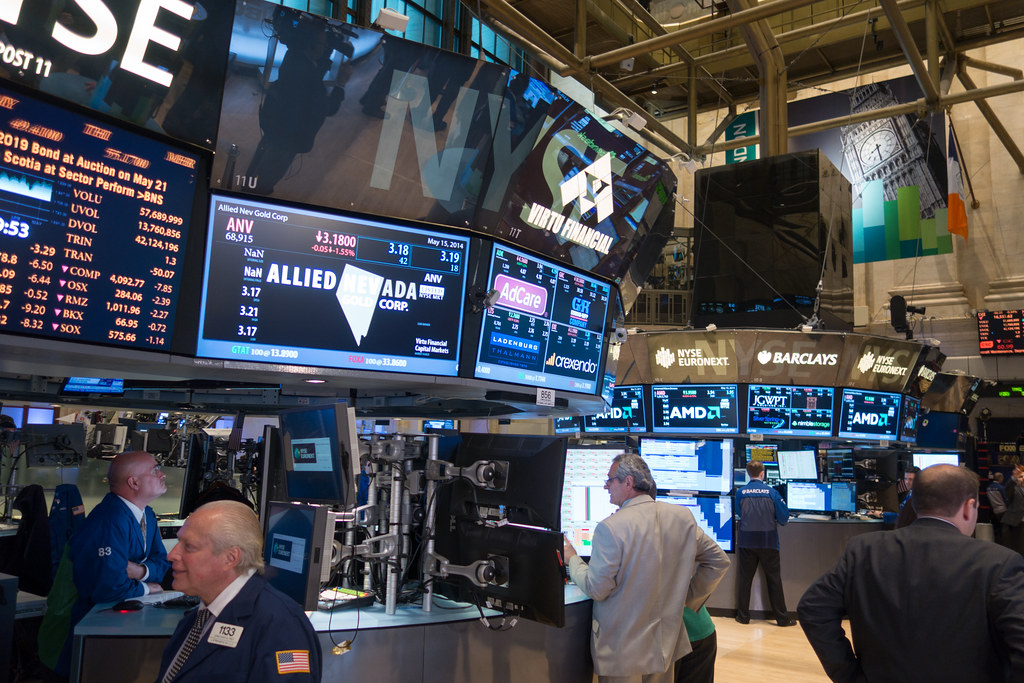
The S&P 500’s rally has become so fast that even bullish analysts sound nervous.
U.S. equities have surged on a powerful mix of Iran peace hopes, AI optimism and belief that the Trump-Xi trade truce can hold long enough to avoid a supply-chain crisis. The Nasdaq has posted one of its strongest winning streaks in years. Big Tech remains the center of the market’s imagination. Investors want to believe that the worst outcomes have been avoided.
But rallies do not fail because optimism exists. They fail when optimism becomes fully priced before the tests arrive.
There are three tests ahead: Big Tech earnings, rare-earth supply and defense-chain compliance.
The first test is AI monetization. Microsoft, Alphabet, Amazon, Meta and Apple remain the market’s largest story. Their capital expenditure plans are staggering, with Big Tech expected to spend hundreds of billions of dollars on data centers, chips, power, networking and AI infrastructure. The bullish argument is simple: AI will become the next platform shift, and today’s capex will become tomorrow’s toll road.
The bear argument is not that AI is fake. It is that the economics are still uncertain. If inference costs collapse quickly, AI services become cheaper and more widely used, good for adoption but potentially bad for pricing power. If usage explodes faster than costs fall, enterprise bills rise and AI becomes less disinflationary than markets expect. If capex keeps rising faster than revenue visibility, free cash flow comes under pressure.
This is the Jevons paradox problem. When a technology becomes more efficient, total consumption can increase rather than decrease. Cheaper AI may not mean lower spending. It may mean far more AI usage, more compute demand, more electricity demand and more infrastructure spending. That could be good for cloud revenue but dangerous for margins and inflation assumptions.
The second test is rare earths. China still dominates global processing of refined rare earths and high-performance magnets. The Trump-Xi truce reduced immediate panic, but China has expanded its economic-pressure toolkit during the truce period, including controls around critical materials and technology. A truce is not the same as dependence being solved.
Rare earths are not only about electric vehicles. They are about missiles, aircraft, radar systems, drones, wind turbines, robotics and data-center hardware. If China tightens exports again or uses administrative delays as leverage, Western supply chains can feel it quickly.
The third test is defense supply-chain integrity. U.S. law is moving toward prohibiting Chinese-sourced rare earth magnets in military platforms from 2027. That sounds clean in legislation. It is harder in reality. Heavy rare-earth separation capacity outside China remains limited, permitting timelines are long, and defense contractors often depend on complex supplier networks where origin tracing is difficult.
This means the market is not only betting on earnings. It is betting that the U.S. and its allies can rebuild critical-material supply chains faster than geopolitical pressure intensifies. That is a dangerous assumption.
The Iran war adds a fourth shadow test. If Hormuz diplomacy improves, oil prices may fall, inflation expectations may soften and risk assets may continue higher. If talks fail, oil can rise again, consumer sentiment can deteriorate and central banks may become less willing to ease. The same market that celebrates peace rumors can reprice violently if shipping lanes remain unstable.
Sharp relief rallies during war periods can be deceptive. The March 2022 Ukraine ceasefire-rumor rally is a useful analogy: markets can surge on hope and then fall when the hard political reality returns.
The current rally is therefore not irrational. It is conditional. It assumes AI capex will be monetized, rare-earth tensions will remain contained, Hormuz will not blow up again, and the Fed will not be trapped by energy inflation. That is a lot of assumptions for one index level.
Bulls may still be right. AI may deliver productivity gains. China may prefer leverage over rupture. Iran and the U.S. may find a deal. Big Tech may show enough revenue growth to justify the spending. But the calendar is about to demand evidence.
The market has priced the story. Now the story has to perform.