Trump Promises Americans $5,000 if Republicans Win—Dividend, Economic Gamble or Midterm Spectacle?
Donald Trump says every adult citizen would receive $5,000 if Republicans retain Congress. The plan could cost more than $1 trillion, needs lawmakers’ approval and still lacks a complete funding formula.
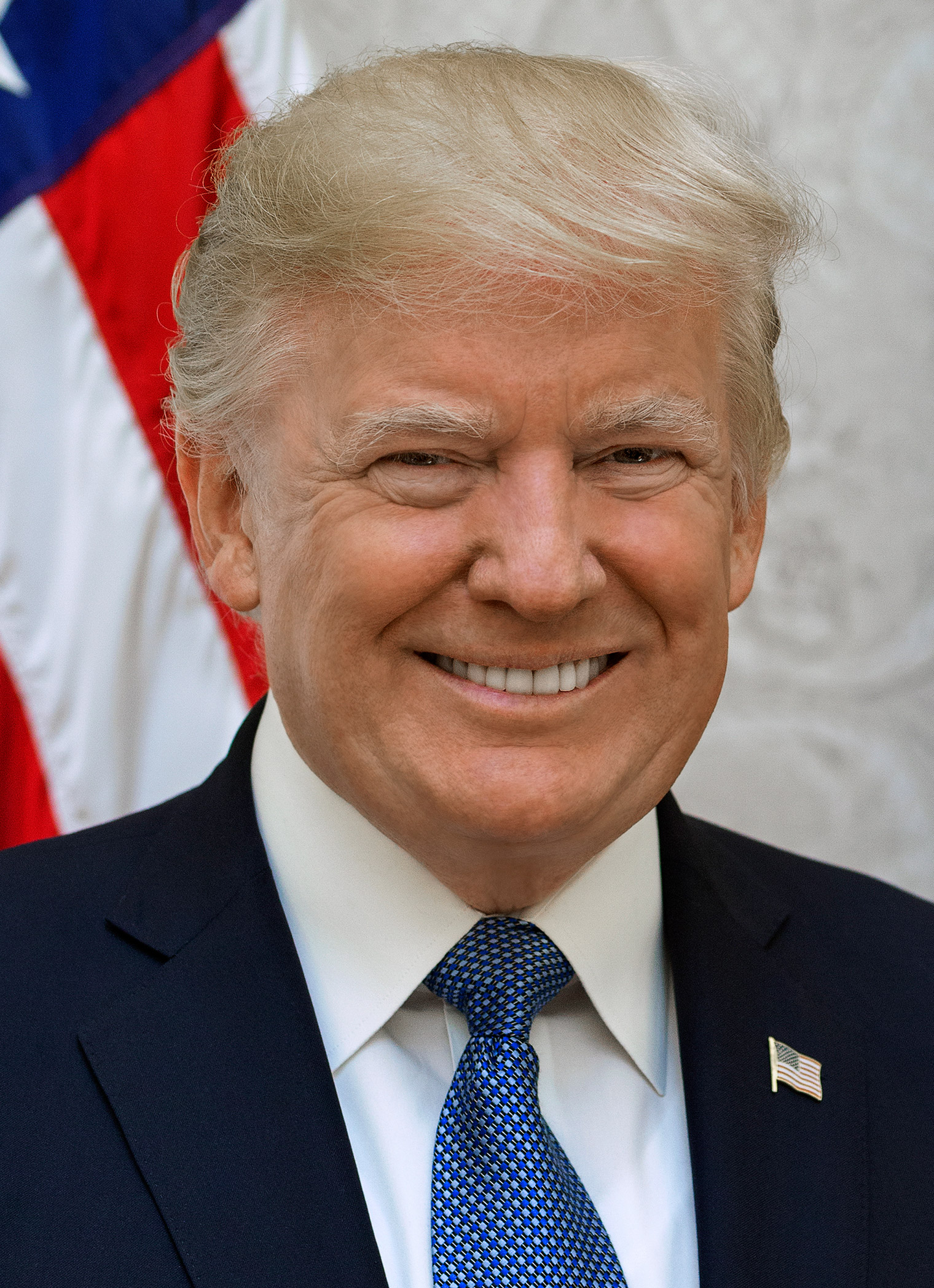
Donald Trump has placed a five-thousand-dollar question at the center of America's midterm campaign: if Republicans keep both chambers of Congress, he says every adult U.S. citizen will receive a $5,000 “dividend.” It is an extraordinarily direct economic promise—and one that is politically powerful precisely because its practical details remain unresolved.
The first correction concerns eligibility and the election condition. Viral summaries say Trump promised money to “supporters” if Republicans win the House. His public formulation was broader: every adult citizen would receive the payment if Republicans retain both the House and Senate. Individuals would not have to prove how they voted. Trump also said the money must be spent in the United States.
That is still conditional campaign politics. A benefit tied to a party retaining Congress creates an obvious electoral incentive, even if it is not legally a payment for an individual's vote. Supporters see a share of national prosperity being returned to citizens. Critics see an attempt to turn public finances into a campaign promise whose cost will arrive after ballots are counted.
The arithmetic is imposing. Multiplying $5,000 by the adult citizen population produces a gross price above $1 trillion. Exact costs depend on citizenship, tax-filing and income rules that have not been published. Vice President JD Vance suggested wealthy households might be excluded, reducing the bill, and said tariff revenue could finance it. But current tariff collections are far below what an unrestricted payment would require.
Congress would have to legislate. A president cannot simply order the Treasury to transfer more than a trillion dollars without an appropriation and legal authority. Even a Republican House and Senate would need to agree on eligibility, timing, tax treatment and funding. Fiscal conservatives could object to new borrowing, while lawmakers in competitive districts may welcome a popular check.
The plan resembles earlier tariff-dividend ideas but is much larger. Trump argues tariffs collect money from foreign countries and companies. Economists generally note that importers pay tariffs at the border and often pass at least part of the cost to American businesses and consumers. A tariff-funded payment could therefore return some revenue to households while prices rise on imported goods. Whether an average family gains depends on what it buys, how businesses adjust and whether the payment is financed by tariffs, spending cuts or debt.
The timing matters. The United States is carrying debt near historic nominal levels and running a large annual deficit. Adding a one-time payment could stimulate consumption but also increase borrowing or inflationary pressure, especially if the economy is already constrained by high energy prices and war-related supply disruptions. If limited to lower- and middle-income adults, the money would likely be spent faster, increasing short-term demand but lowering the total price.
There is another complication: making the payment spendable only in the United States. Money is fungible. A recipient can use the check for rent or groceries while saving other income or purchasing imported products from a U.S. retailer. Enforcing a domestic-spending condition could require vouchers, restricted accounts or a tax credit—each carrying bureaucracy and loopholes.
Politically, the promise forces Democrats to choose between attacking the cost and appearing to oppose money for voters. Republicans must explain whether the check is a firm policy or a presidential aspiration. Candidates who run on balanced budgets will be asked how they reconcile those principles with a payment larger than many federal departments' annual budgets.
The proposal may also affect markets before it becomes law. Investors will ask whether it signals heavier tariffs, more borrowing or both. Retailers may anticipate a consumption surge. Foreign governments may see it as evidence that trade policy is becoming inseparable from domestic election strategy.
Calling the idea “vote buying” is rhetorically understandable but legally incomplete. Governments routinely campaign on tax cuts, benefits and public spending. The sharper democratic question is whether voters receive enough information to judge the promise: total cost, source of funds, eligibility and what would be cut or taxed in return.
Past U.S. stimulus checks offer a warning about implementation. Fast payments can reach most tax filers efficiently, but deceased recipients, outdated bank accounts and people outside the tax system create errors and delays. A citizenship-only requirement would need verification beyond ordinary tax residency. If Congress waits until after the election to write those rules, the final program could look very different from the sentence voters heard at the convention—and lawsuits could delay it further.
What to watch next
Look for actual legislative text, a Congressional Budget Office estimate, Treasury revenue projections and Republican candidates' endorsements. Will the payment exclude high earners, children or non-filers? Would Congress finance it with tariffs, debt or spending cuts? And if the checks never materialize, will voters treat the announcement as an ambitious economic plan—or as the most expensive campaign slogan of 2026?