Is Washington Preparing to Invade Cuba?
Washington is intensifying pressure and planning for instability in Cuba. That is not the same as evidence that Trump has approved an invasion.
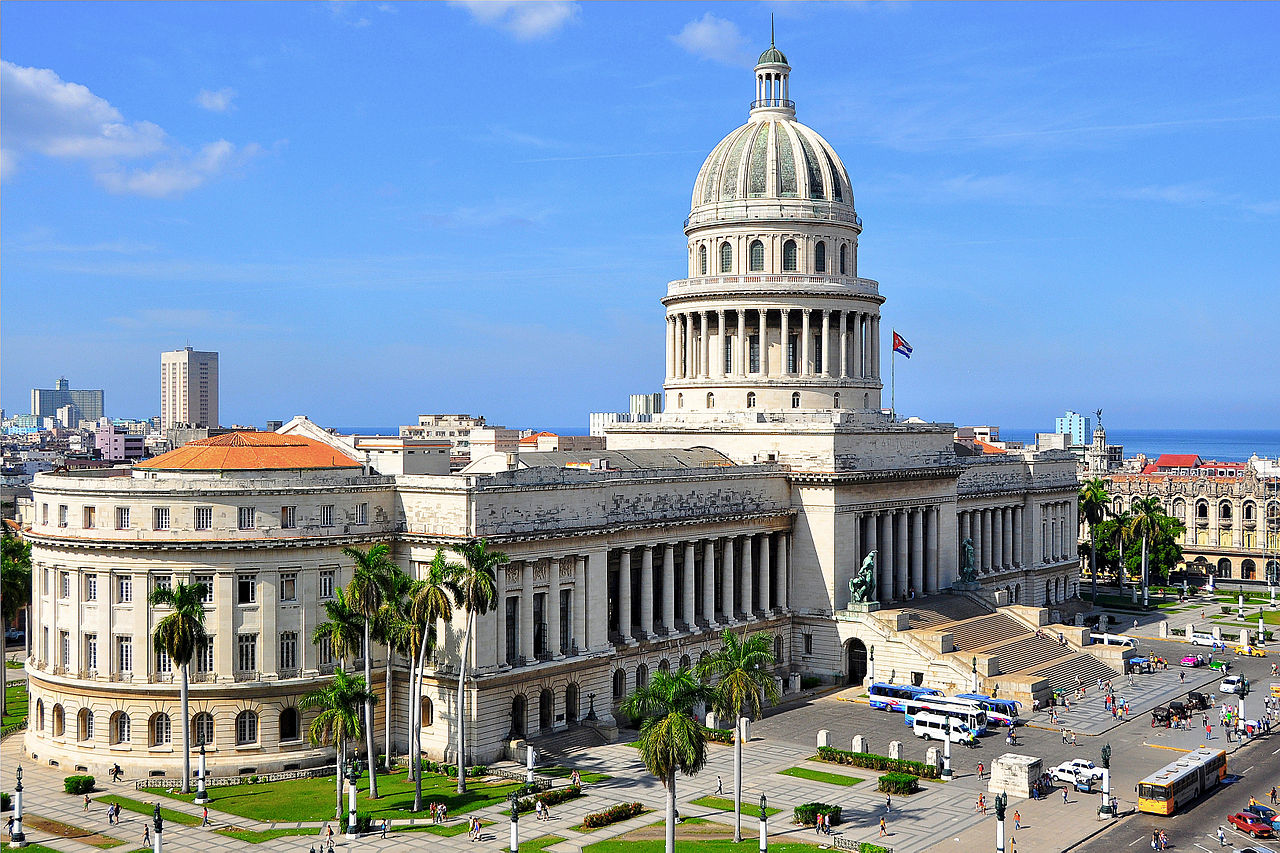
A viral claim says the Trump administration is laying the groundwork for an American invasion of Cuba “within months.” The claim draws energy from real developments: escalating sanctions, regime-change planning, military contingencies and a growing network of U.S. political and business actors preparing for a possible collapse of the Cuban government.
What is missing is evidence that Donald Trump has approved an invasion or set a timetable.
Axios reported earlier in 2026 that U.S. officials had conducted planning exercises for unrest in Cuba while intensifying economic pressure on the military-linked conglomerate GAESA. The same reporting said Trump had not authorized military intervention. Contingency planning is what governments do when a neighboring state faces instability; it does not prove the contingency has become policy.
What Washington is doing
Secretary of State Marco Rubio has pushed a harder approach toward Havana. Secondary sanctions are increasing pressure on foreign companies connected to Cuban state entities. The administration says it wants democratic change, the release of political prisoners and an end to repression.
Critics describe the strategy as economic siege intended to produce government collapse. Cuba’s shortages of electricity, fuel, medicine and foreign currency give pressure unusual force. Officials in Havana argue that Washington then cites conditions created by sanctions as evidence the Cuban system has failed.
The Guardian has also reported that Trump- and Rubio-linked investors and lobbyists are positioning themselves for opportunities if the regime falls. Interest in mines, hotels and other assets raises an uncomfortable question: would a political transition serve Cuban citizens or become a rushed transfer of property to well-connected outsiders?
Why invasion rumors spread
Cuba sits only 90 miles from Florida and carries the memory of the Bay of Pigs, the missile crisis and decades of covert U.S. action. Any military exercise or regime-change statement enters an environment where invasion is historically plausible.
The United States may also need plans to evacuate citizens, secure Guantánamo Bay, manage maritime migration or respond if state institutions fragment. The same logistics could support coercive intervention, making defensive and offensive preparation difficult to distinguish from outside.
Trump’s past willingness to use force elsewhere adds credibility to fears even without a signed order. But credibility is not confirmation.
What an invasion would risk
Cuba’s conventional forces cannot match the U.S. military, yet occupying or stabilizing an island of more than ten million people would be a different task. Nationalism could unite Cubans who otherwise oppose their government. Urban conflict, migration and sabotage could create a long emergency close to Florida.
Russia and China would condemn intervention and might provide political, intelligence or material support. Latin American governments across the ideological spectrum would face public pressure to oppose a return to overt U.S. regime change.
International law allows force in self-defense or with Security Council authorization, neither of which presently exists for invading Cuba. Washington might invoke threats, humanitarian collapse or protection of citizens, but each rationale would be contested.
Pressure can be destabilizing without invasion
An economic campaign can produce many of the same humanitarian consequences as military action while giving Washington deniability. If the state weakens rapidly, criminal networks and internal factions could compete for resources.
Supporters of pressure argue that the Cuban government has repeatedly used negotiations to survive without meaningful reform. Opponents respond that collective punishment strengthens security hardliners and drives ordinary people to emigrate.
A credible democratic strategy would prioritize Cuban-led institutions, humanitarian channels, property-law transparency and protections against revenge. It would also clarify what conditions lead to sanctions relief.
Cuban voices are often missing from Washington’s debate. Dissidents, independent journalists, state employees, emigrants and younger Cubans do not hold one view of sanctions or intervention. A transition designed primarily by U.S. politicians and investors could reproduce the legitimacy problem it claims to solve. Any durable political opening must give people on the island—not only diaspora power brokers—a decisive role.
What to watch next
- Any presidential directive, congressional authorization or major force deployment.
- U.S. military exercises specifically framed around Cuba.
- New sanctions on GAESA and foreign investors.
- Signs of elite fracture or organized transition talks inside Cuba.
- Florida preparations for migration or evacuation.
Is Washington preparing to invade, preparing for a collapse it is helping accelerate, or deliberately allowing the invasion rumor to increase pressure on Havana? The evidence currently proves contingency planning—not a scheduled war.