Trump Says $4 Billion in US Aid to Israel Will End—But Congress, Not the White House, Controls the Money
Trump says annual US military aid to Israel will stop at year’s end, surprising some Israeli officials. The current security pact runs through 2028, and the legal and budget steps remain unclear.
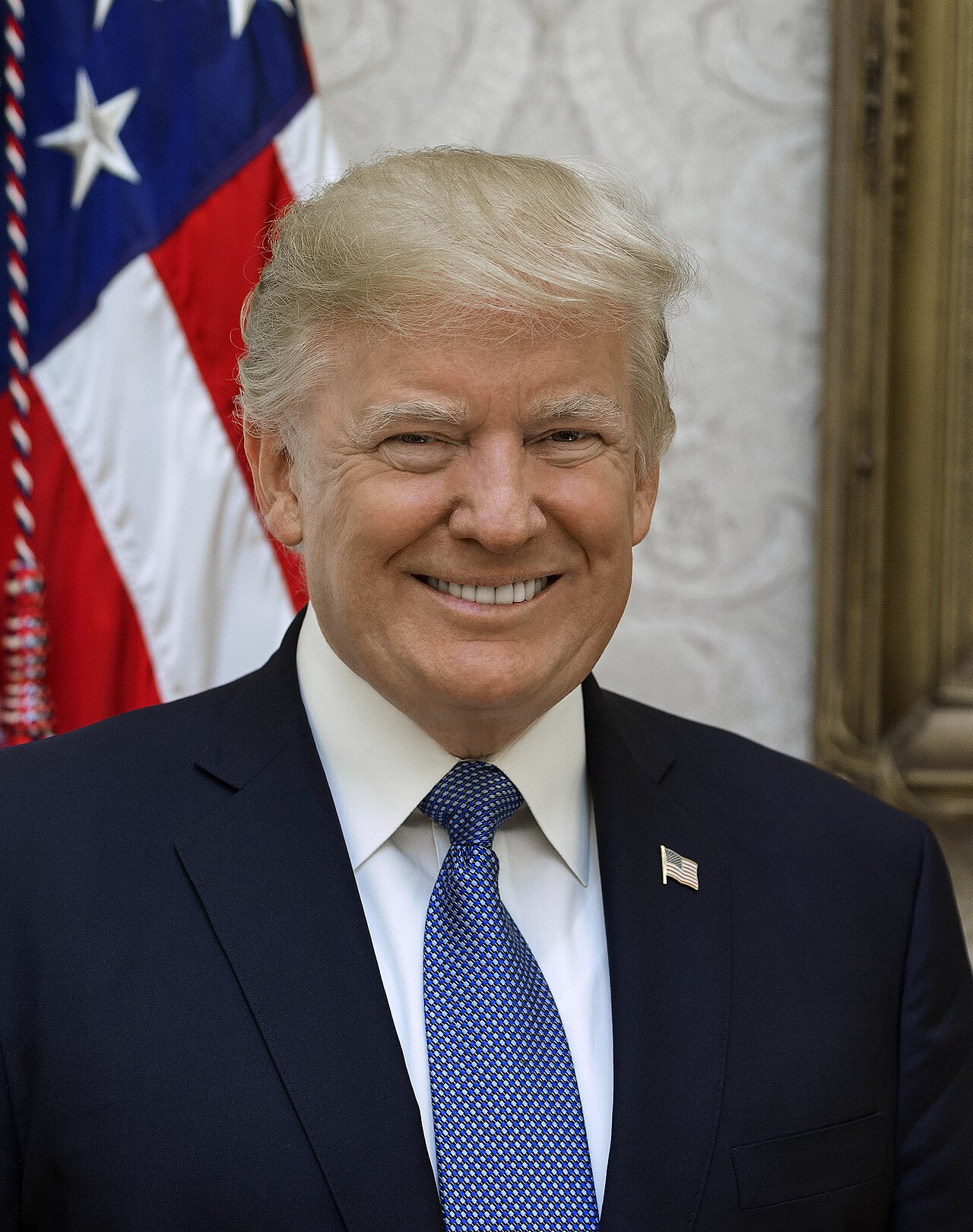
President Donald Trump said the United States would end about $4 billion in annual military aid to Israel by the end of 2026, a statement that reportedly surprised Israeli defence and finance officials. Trump argued that Israel is wealthy enough to pay for its own security and said it could continue buying American weapons. The announcement could mark a major change in the relationship, but it is not yet a completed cut-off.
The current US-Israel security assistance memorandum, signed in 2016, provides $38 billion over ten years, or roughly $3.8 billion annually, through fiscal year 2028. Congress has a central role in federal spending, and existing laws and appropriations may not be altered by a presidential statement alone. The administration has not published a detailed plan explaining how the commitment would be ended early.
Why the announcement matters
For Israel, US assistance supports purchases of American military equipment and contributes to missile defence. Ending grants could push Israel to redirect domestic spending, borrow more or negotiate a transition to arms purchases without the same subsidy. Israeli opposition figure Gadi Eisenkot warned that ending assistance could harm national security, while Netanyahu has previously discussed gradually reducing reliance on US aid over time.
In Washington, the issue has become politically contested. Supporters of aid describe it as an investment in a strategic ally and a way to shape military coordination. Critics argue that wealthy Israel should carry more of the cost, especially as US domestic priorities and the war in Iran strain budgets. The argument is not only about money: assistance also gives Washington influence over what Israel can buy and how the allies coordinate.
Is this immediate or a negotiating signal?
Trump’s statement followed his public comments about Israel and a contentious US election campaign. It remains unclear whether he was announcing a final policy, describing a proposal discussed with Netanyahu or using aid as leverage in wider negotiations. Israeli reporting says officials were caught off guard, while public details about any private transition plan are limited.
A reduction could also affect defence-industry planning on both sides. US assistance often supports purchases from American manufacturers, so a grant ending does not necessarily mean weapons sales end. The financial arrangement could shift from aid to direct purchases, credits or a transition plan. Each option has different implications for US jobs, Israeli budgets and Washington’s ability to condition transfers. Until the administration publishes a proposal, the headline figure is clearer than the policy mechanism. Israel’s officials may therefore be reacting not only to a potential funding gap, but also to uncertainty over how quickly the relationship could change.
There is a further domestic US dimension. Congress may scrutinize the announcement, particularly if it appears to conflict with existing appropriations or a bipartisan security commitment. Lawmakers could seek to preserve some funding, redirect it to specific systems or require a phased transition. That process may take months and could become part of negotiations over wider defence spending. The public headline therefore signals a political shift, while the actual flow of weapons and money will depend on decisions still ahead.
Could Congress continue funding despite the president’s position? Would Israel accept a rapid end to assistance or seek a phase-out? And if US aid is also a tool of influence, would ending it give Israel more freedom—or weaken the alliance both sides say they value?