Trump Halts Another Iran Attack After Gulf Leaders Intervene: Diplomacy Breakthrough—or Another 48-Hour Reprieve?
Donald Trump paused another planned large-scale attack on Iran after appeals from Saudi Arabia and other mediators. Mohammed bin Salman warned that strikes on Iranian energy infrastructure could trigger retaliation across the Gulf, while Tehran simultaneously moved forces and dispersed government operations.
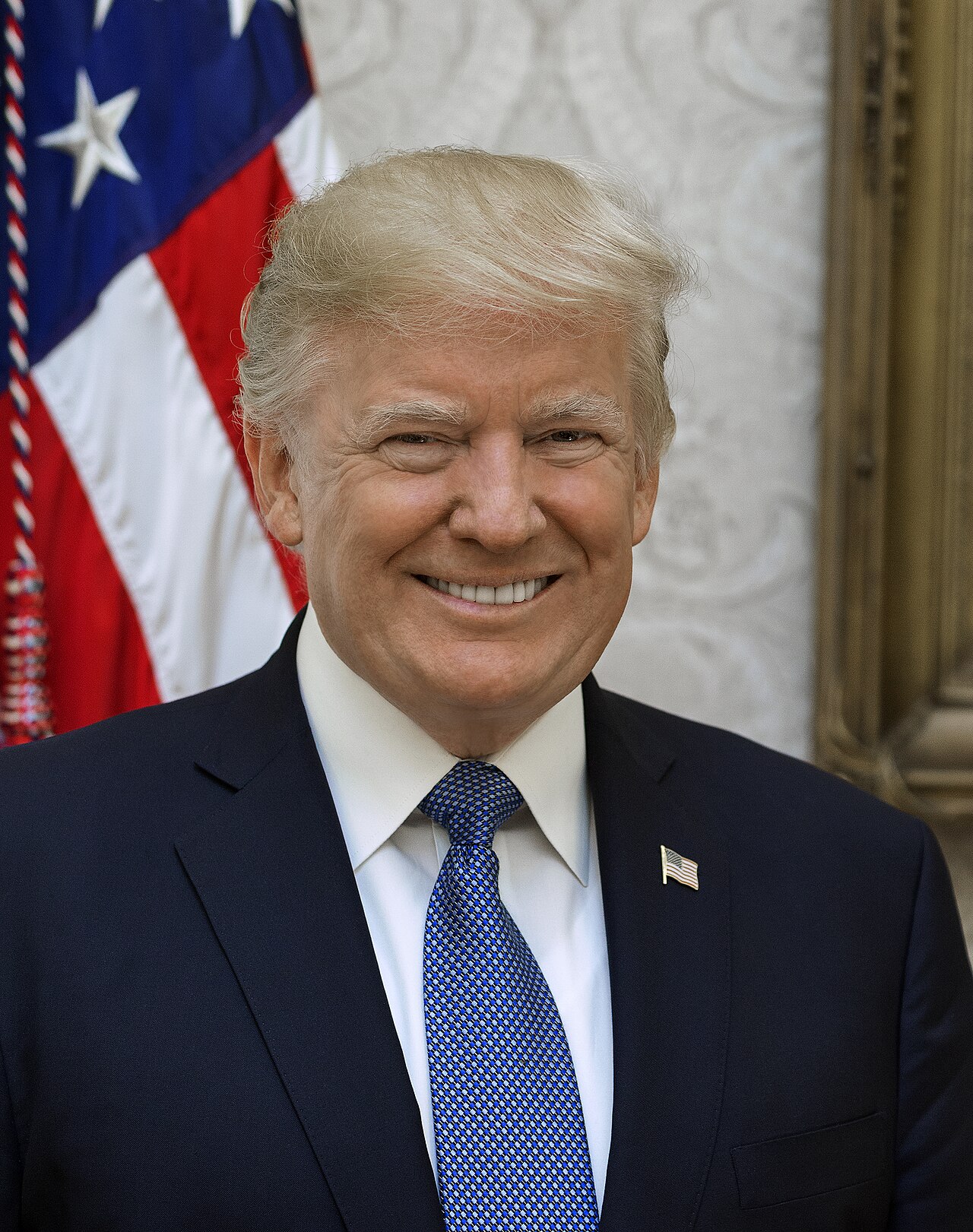
President Donald Trump has again suspended plans for a major U.S. attack on Iran after appeals from regional mediators and Gulf leaders.
Axios reported that Saudi Crown Prince Mohammed bin Salman personally raised concerns about large-scale strikes on Iranian energy infrastructure.
Saudi Arabia fears that Iran would respond against Gulf oil installations, U.S. bases and critical infrastructure. Qatar, the UAE, Turkey, Pakistan and Oman have also pushed for de-escalation.
Trump says Iran requested more time and that negotiations may produce an agreement.
The pause is real. It should not be confused with a permanent ceasefire.
Trump has repeatedly delayed or cancelled planned attacks during the war, then resumed strikes after new Iranian actions or failed negotiations.
The military remains prepared. American officials continue planning options involving missile sites, command centres, coastal defences and energy infrastructure.
Iran appears to be preparing for both diplomacy and attack.
Local reports describe heavy military deployments toward western Iran and previous reinforcement around Abadan and Tabriz. Government offices in parts of Hormozgan Province were reportedly evacuated.
Claims that evacuated buildings are being filled with ammunition and weapons require independent verification.
Moving military material into civilian government buildings would raise serious legal and humanitarian concerns. It could also be misinformation designed to create justification for strikes on public facilities.
Iran has strong reasons to disperse forces. U.S. and Israeli intelligence has demonstrated the ability to locate fixed facilities quickly. Concentrating personnel or weapons in known bases makes them vulnerable.
Moving units west may protect them, prepare retaliation against Iraq or Israel, or respond to threats from Iranian Kurdish groups.
The Gulf intervention highlights how much regional states fear American escalation even when they consider Iran a threat.
Saudi Arabia has been attacked by Iranian missiles, Iraqi militias and the Houthis. It has also joined strikes against Iran-backed factions in Iraq.
Riyadh still does not want the United States to destroy Iranian energy infrastructure if the likely response is an attack on Abqaiq, Yanbu or other Saudi facilities.
This is not sympathy for Tehran. It is risk management.
The Gulf economies depend on oil, gas, desalination, electricity and ports concentrated in vulnerable coastal areas. A few successful missiles can cause global economic consequences.
Iran has explicitly threatened retaliatory attacks on energy systems if its own infrastructure is bombed.
MBS therefore has leverage with Trump because Saudi Arabia may absorb much of the retaliation for decisions made in Washington.
The pause also demonstrates the limits of military dominance. The United States can strike Iran more heavily than Iran can strike America. Iran can still impose enough damage on allies, bases and shipping to make every operation politically expensive.
That mutual vulnerability creates space for mediation.
Trump presents his pauses as generosity from a position of strength. Iran presents them as evidence that resistance deterred an attack. Gulf leaders present them as successful diplomacy.
All three narratives can coexist.
The real test is the agreement being discussed. Washington wants an end to Iran’s nuclear-weapons ambitions, reopening of Hormuz and limits on attacks by Iranian-linked groups. Iran wants an end to U.S. strikes, sanctions relief and recognition of its security role in the strait.
Those objectives remain difficult to reconcile.
A short delay may only give both militaries more time to prepare. Iran can disperse missile launchers and reinforce air defence. The United States can move bombers and tanker aircraft into position.
If negotiations fail after both sides prepare extensively, the next strike wave may be larger.
The open question is whether Trump’s decision marks the beginning of a durable settlement—or another temporary pause in a war where every negotiation takes place while ammunition is being moved into position.