Trump Says Iran Could Be Hit Tomorrow
Trump says new strikes on Iran could come as soon as tomorrow while US warships prepare and Barack Obama argues diplomacy once contained Tehran without missiles.
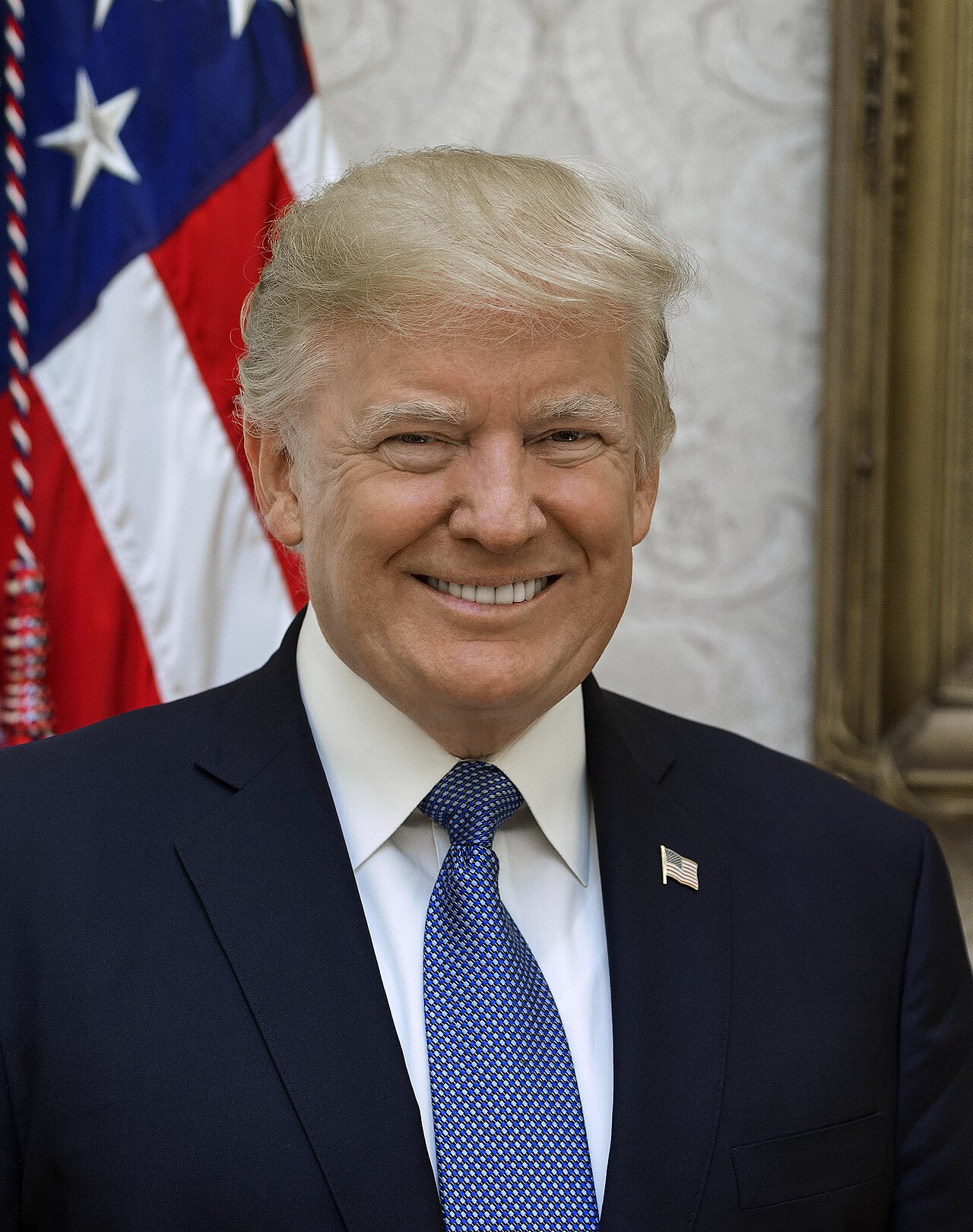
Donald Trump says the United States could strike Iran as soon as tomorrow. American warships are loading weapons and preparing plans in case he gives the order. Hours earlier, Barack Obama offered the opposite lesson: his administration restrained Iran’s nuclear program through an agreement and did not need to fire a missile.
What happened
Trump told supporters that military action could come quickly while still suggesting that a negotiated agreement remained possible. The Wall Street Journal reported that the USS George Washington strike group and other forces are preparing for renewed combat. Pentagon officials emphasize that preparing options is their job and does not mean a strike has been authorized.
At a campaign rally, Obama said Iran did not possess a nuclear weapon under the agreement his administration negotiated and argued that diplomacy achieved this without firing missiles. Trump withdrew from the Joint Comprehensive Plan of Action in 2018. Iran later expanded enrichment far beyond the deal’s limits.
Why it matters
The JCPOA sharply reduced Iran’s enriched-uranium stockpile, limited centrifuges and expanded inspection. It had expiration provisions and did not resolve Iran’s missile program or regional activities. Critics argued that it postponed rather than removed the threat; supporters warned that withdrawal would destroy verification and restart escalation.
The current military posture includes carriers, Marines and regional defenses. Iran has threatened US bases, warships, Gulf energy infrastructure and communications cables if attacks resume.
Trump’s “tomorrow” wording maximizes pressure and uncertainty. It may be intended to force concessions, influence voters or preserve operational surprise. The contradiction with his earlier promise not to attack before the November 3 midterms makes the signal more dangerous because allies and adversaries cannot know which statement governs.
Obama’s argument is powerful but incomplete. Diplomacy constrained measurable activities while the agreement operated; it did not settle every proliferation concern forever. The relevant comparison is not diplomacy versus one perfect strike. It is monitored limits and negotiated enforcement versus repeated military action whose consequences may be harder to control.
Verification and competing accounts
Trump publicly said a strike could come “maybe tomorrow,” and the Wall Street Journal reports that American warships are preparing options. No final attack order has been announced. Obama’s defense of diplomacy is a political argument grounded in the JCPOA, not proof that the agreement permanently eliminated Iran’s nuclear capability. Sources consulted include Wall Street Journal, Associated Press, Reuters, Barack Obama campaign remarks, IAEA reporting. Official, military, partisan and anonymous-source claims remain attributed unless independently established.
Military readiness is not confirmation of a scheduled attack. “As soon as tomorrow” is a possibility, not a timetable. Obama’s claim should not be rewritten as Iran having no nuclear knowledge or infrastructure, and Trump’s claims of having obliterated the program remain disputed by incomplete inspection data.
Reading the signal
Confirmation strengthens when official records, imagery, technical data, named witnesses and sources with different incentives converge. Until that happens, terms such as “reported,” “claimed,” “preliminary” and “unverified” describe the evidence accurately. They are especially important during war, when speed, secrecy and propaganda operate together.
Scale and duration matter as much as authenticity. A strike, warning, outage or dramatic political statement can be real without permanently changing the strategic balance. Durable change requires repeated operational success, measurable economic disruption, implemented policy or behavior that remains altered after the immediate news cycle.
Every participant has a communications objective. Governments seek deterrence and public confidence, armed groups seek momentum, businesses seek to calm markets and politicians seek electoral advantage. Those incentives do not automatically make a statement false, but they explain why independent corroboration and precise attribution are essential.
The assessment may change as better evidence appears. Responsible coverage preserves the verified core, labels the disputed perimeter and identifies what observations would change the conclusion. That approach is less theatrical than a viral caption, but more useful to readers judging war, diplomacy, public safety, technology and markets.
Breaking-news posts regularly combine an observable event with conclusions the evidence cannot yet support. The useful discipline is to separate what can be seen, what an interested government or armed group claims, what anonymous officials report and what commentators infer. A verified quotation proves that the words were spoken; it does not prove every factual premise inside them.
What to watch next
Watch carrier positioning, tanker aircraft, embassy warnings, Iranian missile dispersal and emergency diplomatic messages. A White House order or confirmed launch would transform the story; continued preparation alongside mediation would show coercive diplomacy is still operating.