Trump Says America and Iran Are Talking—U.S. Officials and Pakistan Say Not Yet: Who Is Negotiating With Whom?
Donald Trump says talks with Tehran are under way and accuses Iran of duplicity for denying them. Iran says it is only negotiating with Oman, while Pakistani sources say no direct U.S.-Iran meeting has been scheduled and Qatar and Pakistan are still trying to bring both sides together.
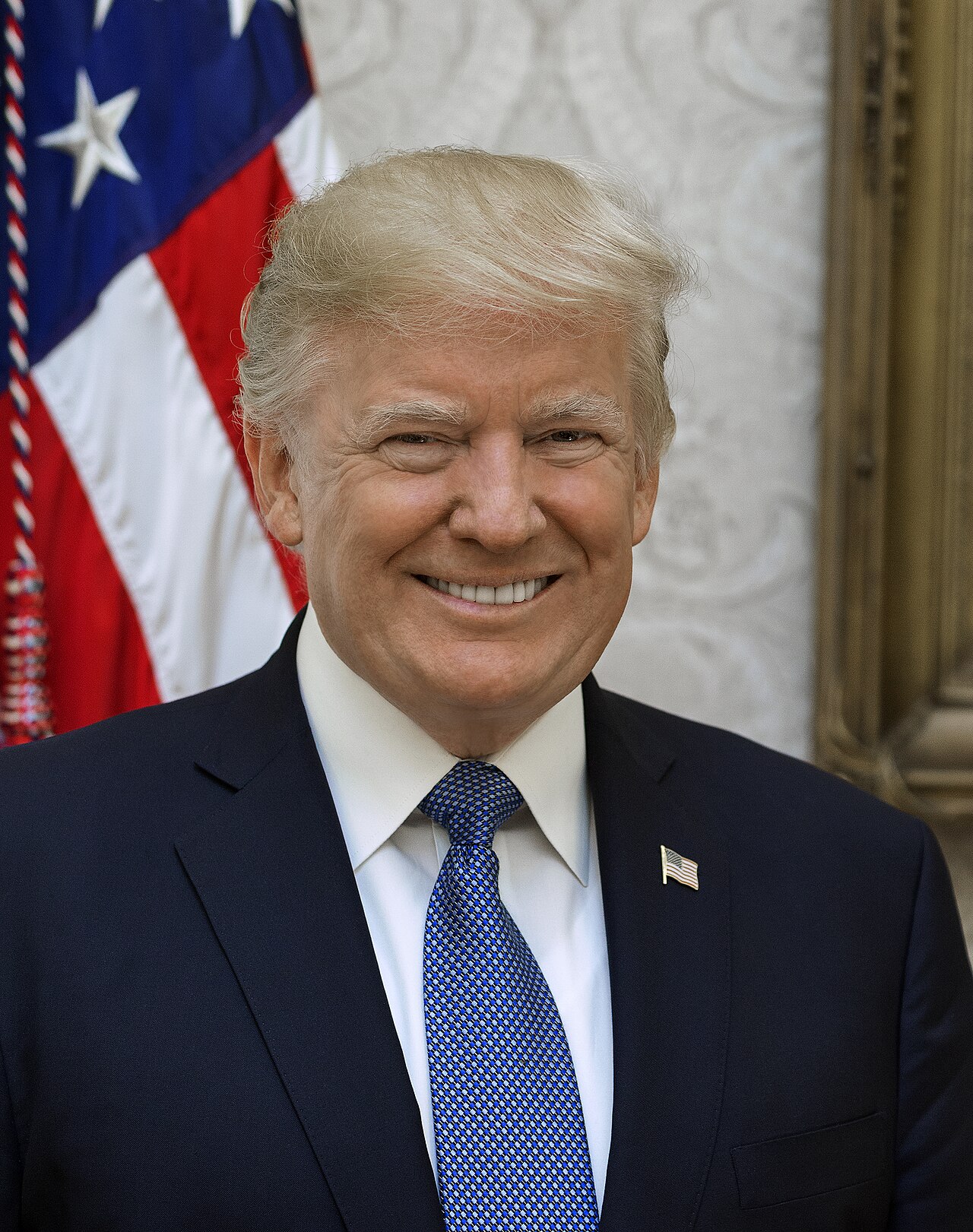
President Donald Trump says the United States and Iran are already discussing a solution to the war.
Iran says no such talks are taking place.
Pakistani officials say no direct meeting has been scheduled and that Islamabad and Qatar are still trying to bring the two sides together.
The contradiction is not merely semantic.
It reveals how modern diplomacy can occur through intermediaries while political leaders describe the same process in completely different ways.
Trump accused Iranian leaders of being “unbelievably duplicitous.”
He said Tehran asked for a meeting, talks began and additional sessions were expected.
He also repeated that the Strait of Hormuz is under American control through what he calls a U.S. “Wall of Steel,” and said Iran will never be allowed to possess a nuclear weapon.
Iranian Foreign Ministry spokesman Esmaeil Baghaei rejects Trump’s account.
Tehran says it is engaged with Oman on arrangements for Hormuz but is not currently negotiating directly with the United States.
Pakistani sources have similarly said no venue or date for direct talks has been finalised.
Qatar and Pakistan remain in contact with both governments.
This means several forms of communication can be happening simultaneously.
A Qatari mediator can carry an American proposal to Iran.
Iran can reply through Pakistan.
American officials can describe that as negotiations.
Iran can say there are no direct negotiations because no Iranian official is sitting with an American official.
Both statements may be technically defensible.
The problem is that Trump’s rhetoric implies a much more advanced process.
He says discussions are already under way and portrays Tehran as publicly denying what it privately requested.
U.S. officials cited by CBS and other outlets have reportedly been more cautious.
Pakistan’s denial of a scheduled meeting reinforces that caution.
The distinction matters because markets are reacting to every headline.
Oil prices fell sharply when Trump suggested the strait could reopen quickly.
If no direct negotiations exist and Iran has not accepted U.S. terms, those expectations may be premature.
Hormuz remains the core dispute.
Trump says the U.S. Navy controls the waterway.
Iran says it remains capable of regulating or restricting traffic on its side and is negotiating a maritime arrangement only with Oman.
Shipping data shows traffic remains heavily reduced compared with normal levels.
Neither side therefore has complete practical control.
The United States can block Iranian trade and protect selected shipping.
Iran can threaten vessels, impose risk and influence whether insurers and crews are willing to transit.
Trump’s phrase “total surrender” is also politically important.
Negotiations become harder when one side publicly defines success as the other side’s surrender.
Iranian leaders cannot easily accept a deal if it appears to validate that description.
Tehran therefore has a strong incentive to deny that it asked Washington for talks.
Trump has the opposite incentive.
He wants to show that military pressure forced Iran to seek terms.
Qatar and Pakistan may deliberately keep the process indirect because both governments need plausible political distance.
Indirect negotiations have a long history in U.S.-Iran relations.
Messages can be detailed, binding and consequential even when representatives never meet face-to-face.
The real test is not whether Trump uses the word “talking.”
It is whether proposals are moving, being answered and narrowing disagreements.
Questions remain over nuclear restrictions, sanctions, frozen assets, Hormuz traffic, U.S. strikes and Iran-linked groups.
If mediators are exchanging detailed texts on those issues, a negotiation exists in substance.
If they are only trying to arrange a first meeting, Trump is exaggerating the stage of the process.
The situation also creates operational risk.
A president may cancel military action because he believes talks are progressing while Iranian commanders believe no agreement exists.
One attack by a militia or Revolutionary Guard unit can then destroy a diplomatic process neither side publicly admits exists.
The open question is whether Trump is revealing a real backchannel Iran wants to keep secret—or publicly upgrading preliminary mediation into “talks” before Qatar and Pakistan have actually succeeded in bringing the parties to the table.