Trump Reposts Midterm Fraud Claims After Saying He Would Accept Results—What Evidence Is There?
Trump reposted content questioning midterm results after Republican losses. The posts cited selective figures; reporting reviewed did not establish widespread fraud.
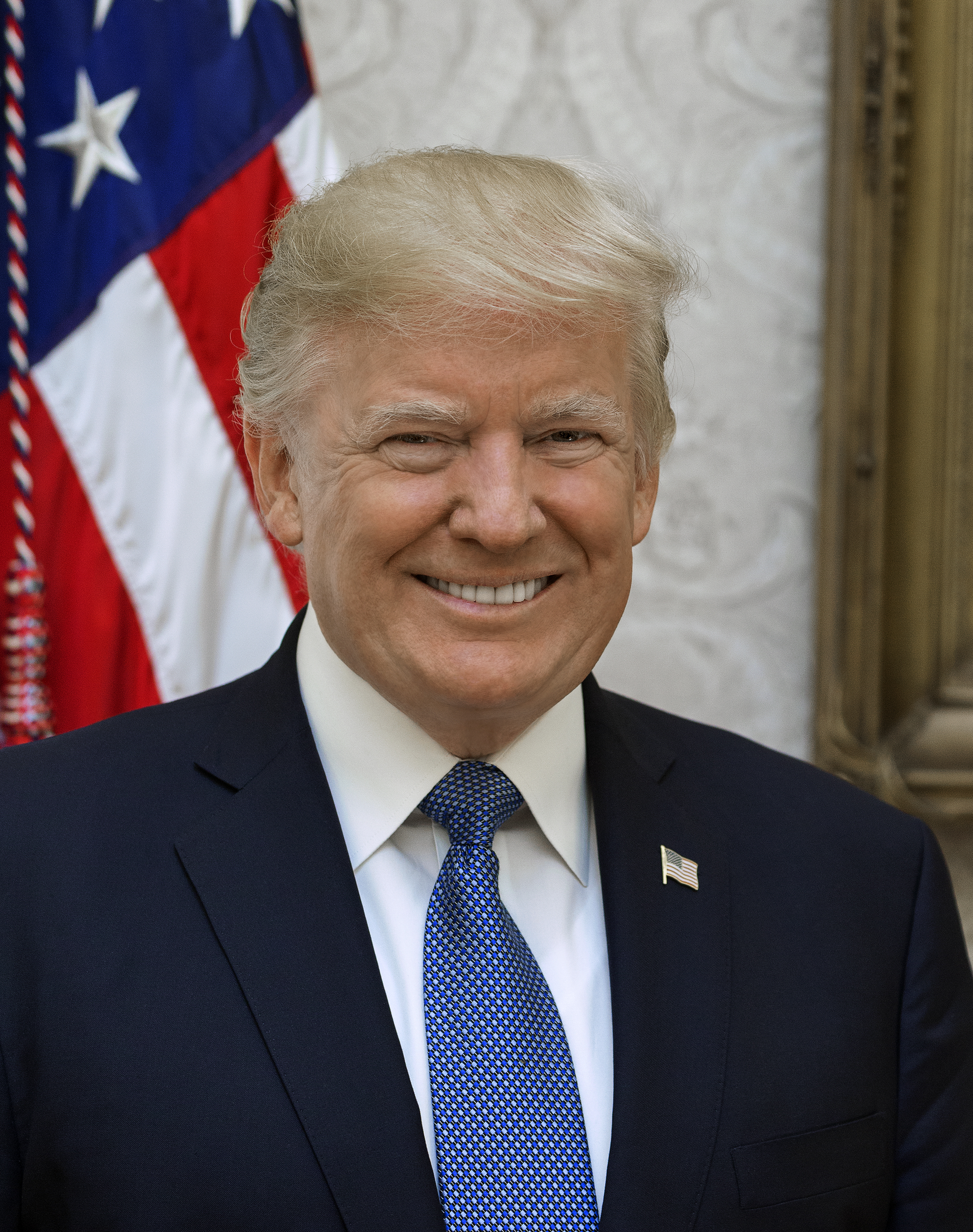
Online claims return after an election setback
President Donald Trump reposted social-media content questioning the US midterm results on Saturday, according to reporting published November 7. The posts used selected statistics to imply manipulation, despite Trump saying on election night he would accept the results. The claims have not been substantiated by evidence of widespread fraud in the reporting reviewed.
The timing is politically consequential. Republicans suffered major losses, while Democrats gained ground in races that could reshape Congress and limit the administration’s agenda. The aftermath renews a basic question: will leaders accept defeat as voters’ choice or cast doubt on the process when results are unfavorable?
Election misinformation often uses isolated numbers, late-counting patterns or local irregularities without context. Votes are counted at different speeds across counties and states; shifts as mail or urban ballots are processed do not by themselves show fraud. Specific claims should be tested against records, court filings, audits and evidence.
Criticizing election administration is part of accountability; declaring results illegitimate requires proof. Repeated unverified claims can erode trust and pressure election workers even when they do not change certified outcomes.
Are Trump’s posts meant to rally supporters, frame the losses as unfair or influence future disputes? What evidence would change his position? Will Republican officials amplify the allegations or focus on why voters turned away?