Trump Threatens Iran’s Pickaxe Mountain ‘Very Soon’: Is Tehran Rebuilding Its Nuclear Program Deep Beneath Natanz?
Trump says the U.S. may strike Pickaxe Mountain near Natanz. Israeli intelligence reportedly believes Iran moved thousands of centrifuges underground—but inspectors cannot verify the site or uranium stockpile.
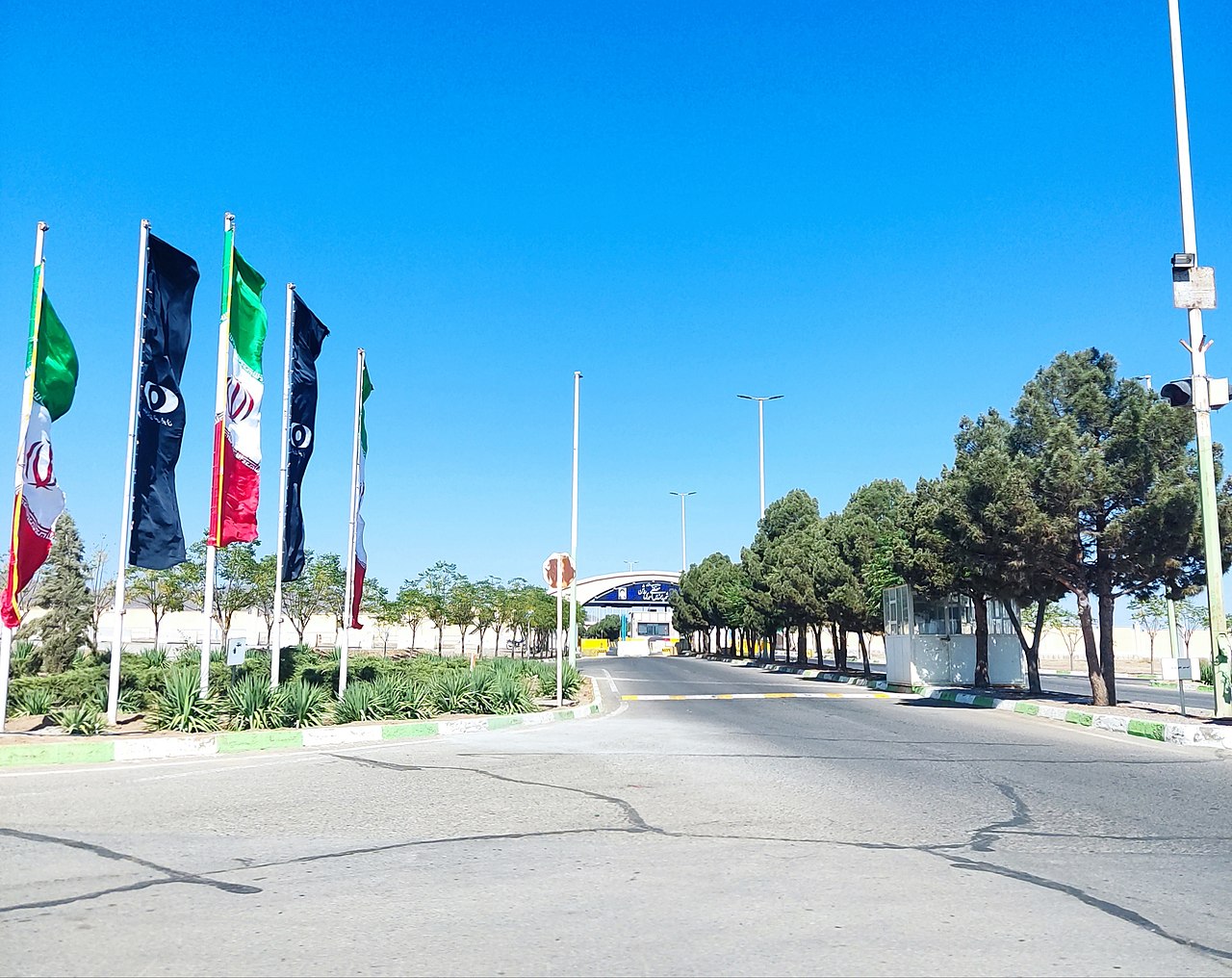
President Donald Trump has threatened to strike Iran's deeply buried Pickaxe Mountain complex “very soon,” reviving the possibility that the next phase of the Iran war could target a facility more difficult to destroy—and less well understood—than the nuclear sites already bombed.
“We may hit Pickaxe Mountain very soon, because if there is anything going on with Pickaxe…” Trump told reporters, leaving the sentence unfinished but the warning unmistakable. The site lies beside the heavily damaged Natanz enrichment complex and contains two tunnel systems excavated beneath a mountain also known as Kolang Gaz La.
The most alarming intelligence claim comes from Israel. The Wall Street Journal reported in July that Israeli services believed Iran moved thousands of centrifuges into the tunnels after earlier U.S.-Israeli attacks. U.S. officials had reviewed the assessment. Neither government has publicly released imagery or other evidence proving that the machines are installed and operating.
The International Atomic Energy Agency cannot resolve the dispute. Inspectors have lacked the access and declarations needed to determine the current location, quantity or chemical form of Iran's enriched uranium. Before access was lost, the IAEA verified a stockpile including 440.9 kilograms enriched to 60% uranium-235—far above ordinary reactor-fuel levels and a short technical step from weapons-grade enrichment.
That amount is often described as sufficient for about ten bombs if enriched further. The calculation refers to theoretical fissile-material yield, not completed weapons. Producing uranium at roughly 90%, converting it into metal, engineering an explosive package, miniaturizing it for a missile and demonstrating reliability are separate stages. Intelligence agencies can disagree sharply about how quickly those steps could be completed.
Iran says its nuclear program is peaceful and has not announced a decision to build a weapon. Critics answer that 60% enrichment has little credible civilian justification and that denying inspectors access prevents Tehran from demonstrating restraint. Both statements can be true: possession of capability is not proof of a weaponization order, while concealment increases legitimate suspicion.
Pickaxe Mountain changes military calculations because of depth. Earlier strikes damaged Natanz buildings and entrances, but tunnels can survive even large conventional weapons. Blocking portals may delay activity without destroying equipment. Repeated attacks can also scatter material, kill specialists and create environmental risks without giving inspectors a reliable post-strike inventory.
Supporters of another strike argue that allowing an intact clandestine enrichment plant would leave Iran closer to a bomb and undermine nonproliferation. They believe only credible force can prevent Tehran from exploiting negotiations while rebuilding underground.
Opponents ask what bombing can permanently solve. Iran possesses scientific knowledge, industrial networks and strong incentives to disperse them. An attack could push leaders to make the weapon decision they may not yet have made, withdraw from the Non-Proliferation Treaty or retaliate against bases and shipping.
Trump's unfinished wording also raises a policy question. Was he disclosing fresh intelligence, pressuring Iran before diplomacy or improvising publicly? The distinction matters because a strike on an unverified site should require more than presidential suspicion.
The risk of intelligence failure runs in both directions. Underestimating an operational enrichment site could allow a short breakout; overestimating it could trigger a war against empty tunnels. Before force, Washington should explain what observable indicators distinguish storage, centrifuge manufacture and active enrichment. Ventilation, power demand and vehicle movement can suggest activity, but none alone proves uranium is being processed.
Diplomacy would require verification tailored to a mountain facility: declared centrifuge inventories, access to portals, environmental sampling and continuous monitoring. Iran may refuse after previous attacks revealed that inspections do not protect sites from bombing. That security dilemma—transparency creating vulnerability, secrecy creating suspicion—is now at the center of the nuclear crisis.
There is also a distinction between a nuclear threshold state and an imminent bomb. A country may assemble the material, equipment and expertise needed for a rapid breakout while deliberately stopping short of weaponization. That ambiguity can be useful deterrence, but it is unstable when rivals believe the threshold may be crossed without warning. Intelligence should therefore be judged by its confidence level and freshness, not merely by the dramatic consequences if it is correct.
Congressional authorization and allied consultation would matter as well. A preventive attack undertaken during an existing regional war could be presented as continuity, yet a new strike on an underground nuclear complex carries distinct escalation and contamination risks. Public debate should not be reduced to whether Trump accidentally revealed a target; it should ask what evidence, lawful authority and achievable end state would justify attacking it.
What to watch next
Watch for IAEA access, new high-resolution imagery, visible ventilation or power activity, Iranian declarations and any U.S. presentation of evidence to allies or Congress. Iran may have the material and machines for a rapid enrichment breakout. What remains unknown is whether they are together, operational and connected to an actual weapons decision—and whether bombing the mountain would reduce that danger or make it irreversible.