Trump Promises Free Food and No Rent? Viral Clip or Impossible Economic Fantasy?
A viral Trump quote promising free food, no rent and no mortgage interest is spreading fast. The real story is not only whether he said it, but why people want to believe it.
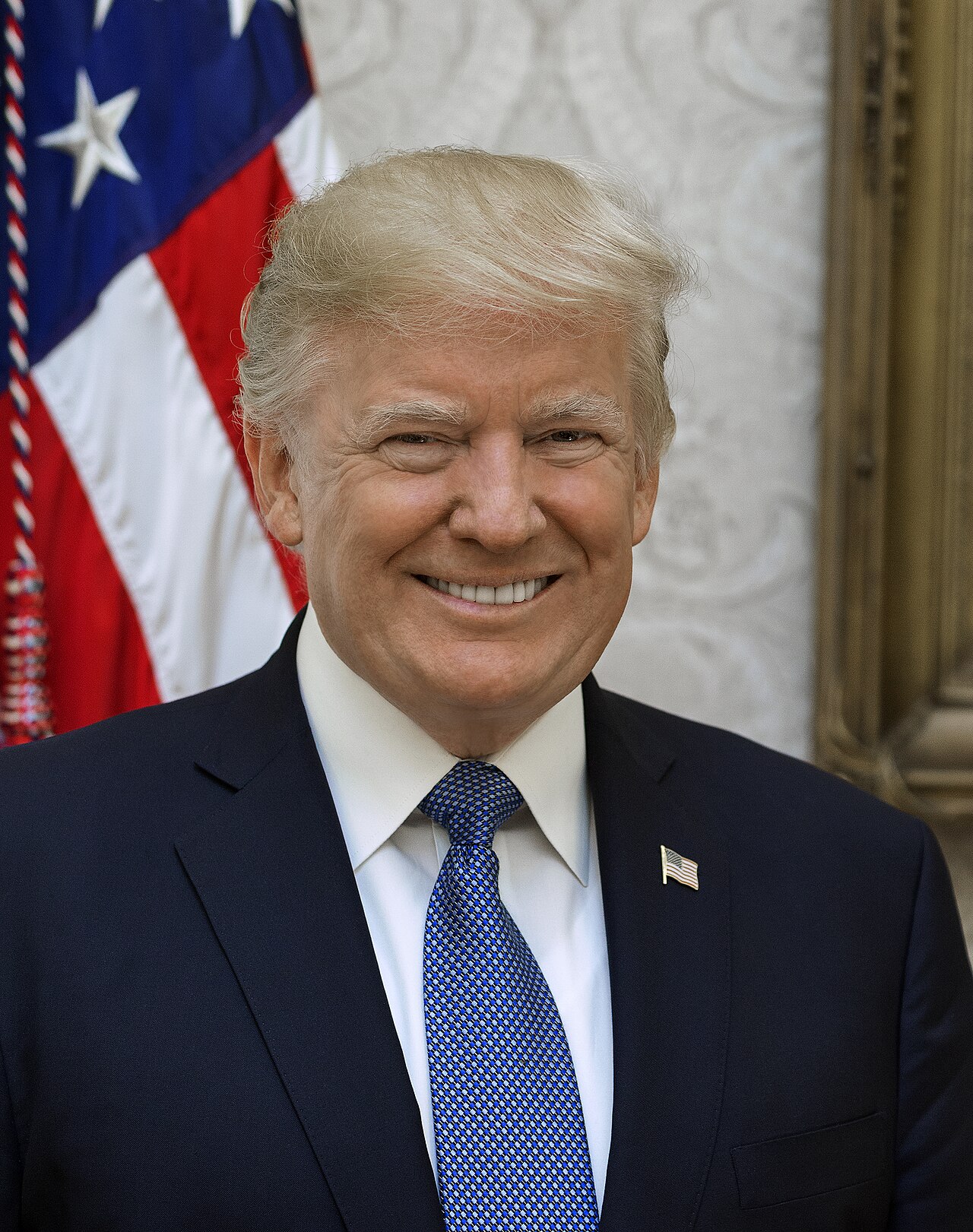
A viral quote attributed to President Donald Trump is circulating across social media: “You will no longer pay rent. You no longer have to pay interest on your mortgage, and no longer gonna have to pay for food. I'm gonna give you free food.” The line is so extreme that it immediately works as both propaganda and parody. Supporters can treat it as proof that Trump is thinking big on affordability. Critics can treat it as proof that American politics has become a theater of impossible promises. The first question, however, is simpler: where exactly did the quote come from, and was it said in full context?
At the time of writing, the line is circulating more strongly as a viral clip or paraphrase than as a clearly documented policy announcement. That matters. A president joking at a rally, riffing in an interview, exaggerating for applause or being edited out of context is not the same thing as a legally meaningful promise. The United States does not have a simple executive lever that abolishes rent, mortgage interest and food costs. Any serious version of such a proposal would require legislation, budgets, banking-system changes, food subsidies, housing policy and an enormous fight with landlords, lenders, retailers and Congress.
But the fact that the quote spreads says something very real. Americans are exhausted by rent, mortgage rates, grocery prices and debt. A sentence that sounds absurd in policy terms can still feel emotionally true to people who believe the economy is no longer built for ordinary families. When politics becomes unaffordable, impossible promises become clickable.
There is also a deeper pattern in Trump’s language. He often compresses economic anxiety into theatrical absolutes: prices will come down, energy will be cheap, housing will be fixed, the old system will be punished. That style is powerful because it does not sound like think-tank policy. It sounds like revenge against complexity. The danger is that reality then has to catch up with the performance.
If Trump actually tried to eliminate mortgage interest for borrowers, who would absorb the cost? Banks? The Treasury? The Federal Reserve? Taxpayers? If rents were frozen or canceled, who pays property taxes, repairs, debt service and insurance? If food became free, would the government buy from farmers and distribute directly, or would grocery chains be reimbursed? Each answer creates another trillion-dollar question.
Supporters may argue that the point is not literal free food but aggressive affordability relief. That is a more plausible interpretation. The administration could expand food assistance, pressure mortgage lenders, subsidize rates, increase housing supply, cut taxes or use tariff revenue as rebates. But those are very different from saying nobody pays for food or housing.
Critics should also be careful. Mocking the quote as stupidity misses why it resonates. People are not sharing it because they have all read the federal budget. They are sharing it because the basic costs of life feel hostile. The viral promise is a symptom of a deeper legitimacy problem: a society where millions of working people feel that rent, food and debt are devouring the future.
The headline asks whether Trump promised free food and no rent. The evidence should be checked carefully before treating the line as policy. But the political meaning is already clear. A large part of the public is ready to believe impossible economic salvation because normal economic management has failed to feel livable.