Trump Says Russia Has “Lost Control” of Diesel: How Bad Is the Refinery Crisis Really?
Ukrainian drone strikes have halted Moscow refinery output and damaged fuel logistics, but Russia’s entire diesel industry has not collapsed.
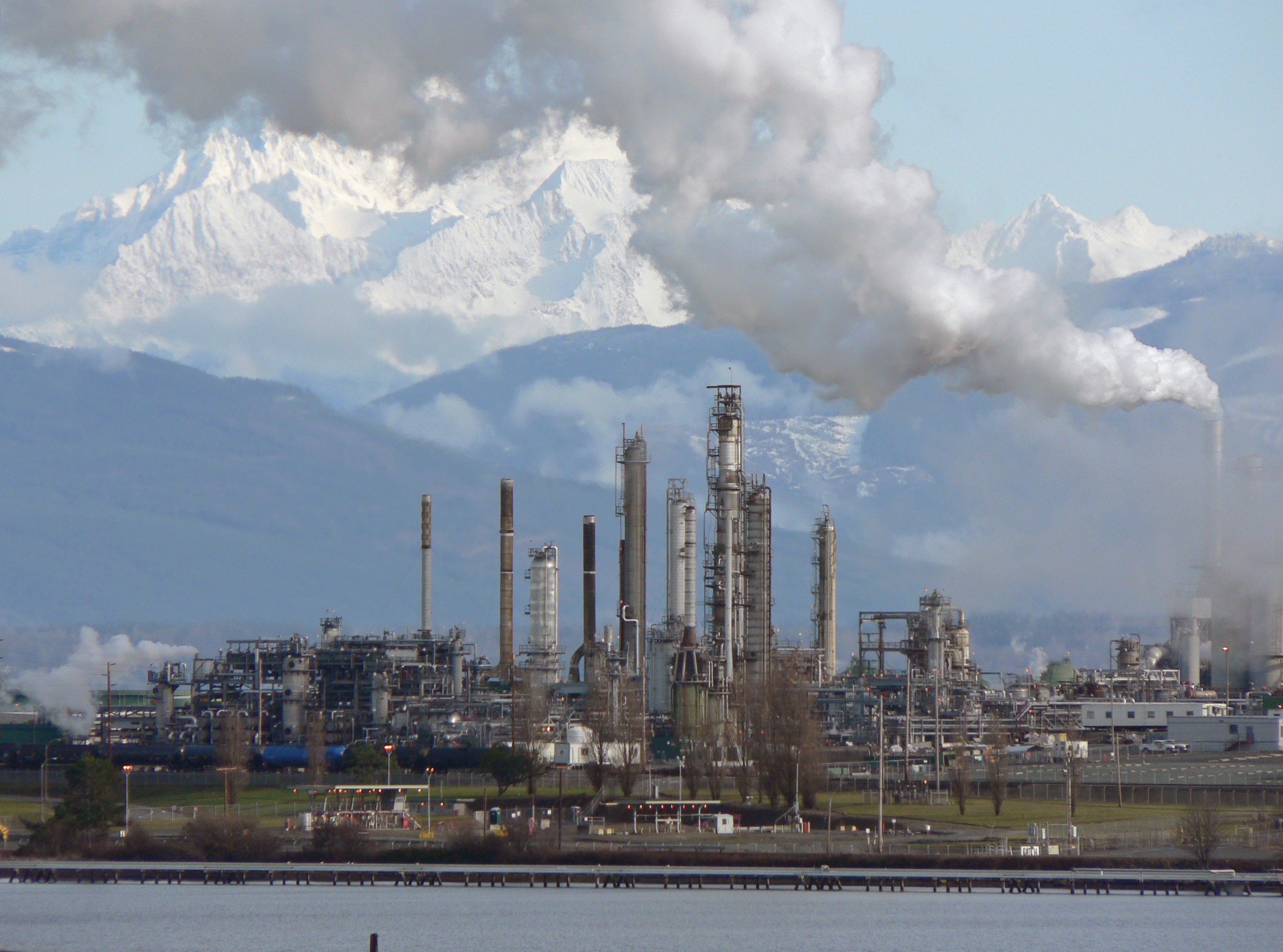
President Donald Trump says Russia has “lost control of its diesel oil industry” after Ukrainian drones damaged refineries and fuel infrastructure, escalating a dispute over attacks that now affect global prices as well as Moscow’s war machine.
There is a real crisis beneath the rhetoric. Reuters reported that the Moscow oil refinery stopped output after a major drone attack damaged both crude-processing units. Repairs may take several weeks. The plant is a critical supplier to the capital region, and simultaneous strikes elsewhere have increased transport distances, queues and wholesale price pressure.
But Russia has not lost its entire diesel industry. It operates one of the world’s largest refining networks and can redirect products, draw inventories, prioritize military and agricultural users, and import limited volumes. A shutdown at a major facility is severe; it is not national extinction.
Trump’s language may serve several purposes. It highlights the cost Vladimir Putin is paying for continuing the war. It also justifies American pressure on both sides by portraying the energy campaign as dangerously successful. The Financial Times reported that Trump urged Ukraine to stop hitting refineries because the attacks were tightening diesel markets and raising prices.
Kyiv argues that refineries are lawful military-economic targets. They supply fuel to Russian forces and generate export revenue. Ukraine cannot match Russia’s mass missile arsenal, so long-range drones offer a way to impose costs deep inside Russian territory.
Moscow calls the strikes terrorism against civilian energy infrastructure and responds with larger attacks on Ukraine’s electricity, transport, warehouses and industry. The asymmetry is clear: Russia can inflict greater physical destruction, while Ukraine seeks politically sensitive bottlenecks.
Refining systems are vulnerable because specialized units are difficult to replace. A small drone warhead may not destroy an entire complex, but damage to distillation columns, compressors, power supply or control equipment can stop production. Sanctions make imported components and technical service slower to obtain. Repeated attacks also disrupt maintenance schedules and stretch firefighting crews.
At the same time, headlines routinely confuse crude production, refining capacity, diesel output and retail availability. Russia can continue pumping oil while lacking the ability to convert enough of it into particular products in the right region. Local shortages can coexist with national exports.
For Washington, the contradiction is uncomfortable. Weakening Russia economically supports Ukraine, but losing Russian diesel supply can increase fuel prices for American and European consumers. With elections approaching, that economic effect may matter more to Trump than battlefield logic.
The next economic impact travels through agriculture and freight. Diesel powers combines, trucks, construction equipment and backup generators. If wholesalers cannot deliver enough fuel at predictable prices, disruption moves into food distribution and regional industry even where retail stations remain open. The Kremlin can cap prices or order priority allocation, but such controls may transfer shortages rather than eliminate them.
Export restrictions would protect domestic supply while reducing hard-currency earnings and tightening markets abroad. Continuing exports would preserve revenue but risk visible queues at home. That is the policy dilemma Ukrainian planners hope to create.
Reliable measurement should use refinery throughput, wholesale spreads, regional inventories and export volumes rather than dramatic videos alone. Fires can look catastrophic while affecting only one unit; modest exterior damage can hide months of downtime if specialized machinery is hit. The cumulative pattern across several facilities matters more than any single plume of smoke.
The propaganda contest will remain intense. Kyiv benefits from presenting each refinery hit as systemic collapse; Moscow benefits from showing rapid repairs and normal queues. Trump benefits from describing decisive leverage. Physical throughput and price data are the best defense against all three narratives.
What to watch next
How quickly does the Moscow refinery restart, and do further attacks hit backup supply routes? Does Russia restrict exports, release reserves or ration fuel? Will the United States pressure Kyiv more openly? Trump’s “lost control” line is an overstatement. The more consequential reality is that Ukraine has found a way to make Russia’s refinery network—and the global diesel market—a recurring theater of war.