Trump Says America ‘Should Never Have Been in Iran’: Peace Signal or Political Escape Hatch?
Trump compared Iran to Iraq and said the U.S. should not have been there. Markets heard peace. Critics heard an admission that the war was a mistake.
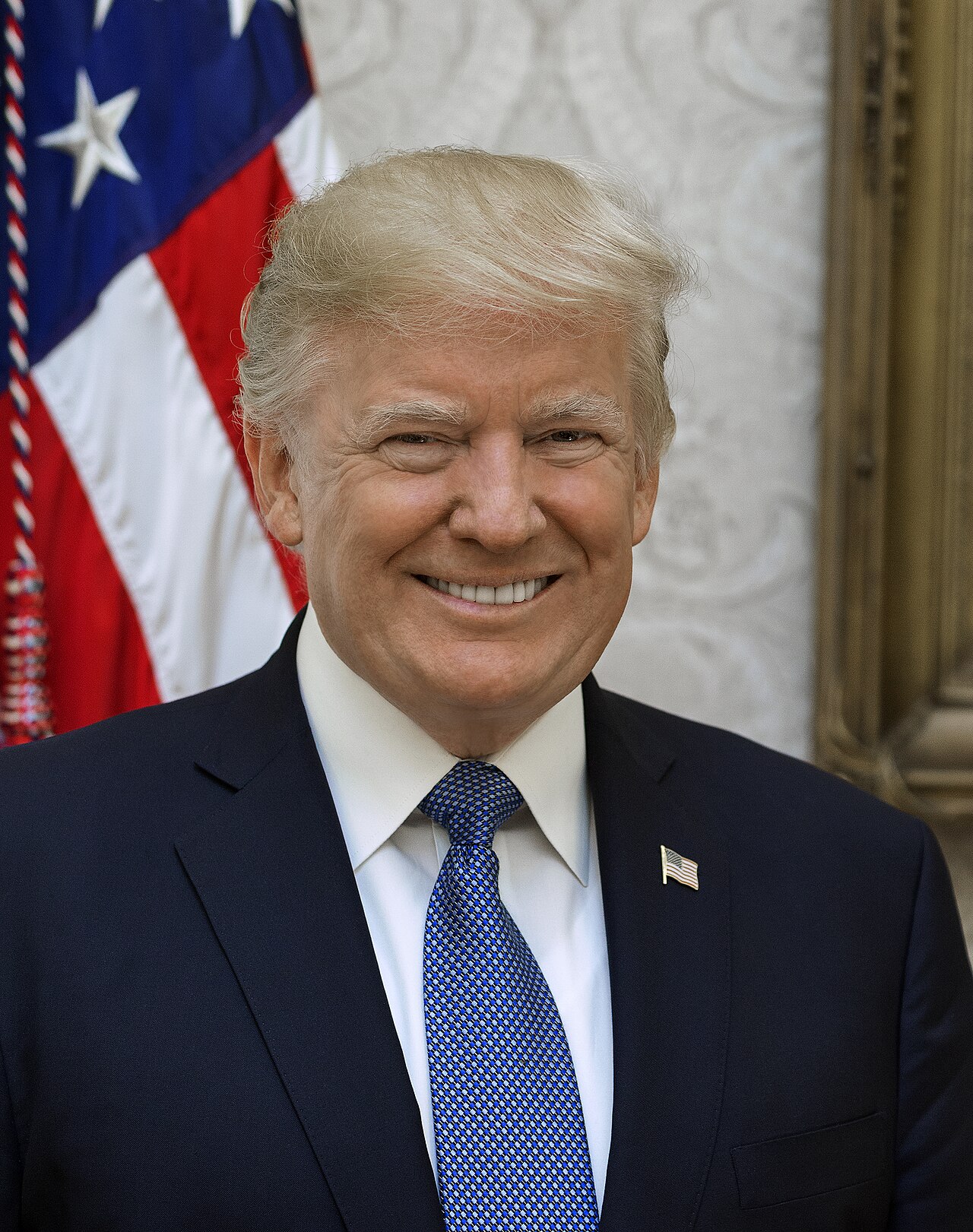
Trump’s statement that the United States “should never have been in Iran” may be the strongest peace signal yet — or the clearest admission that the war has become politically uncomfortable. By comparing Iran to Iraq and calling past intervention a foolish mistake, Trump reopened the central question of his foreign policy: did he attack Iran to avoid another forever war, or did he accidentally create one?
The comment matters because Trump built much of his political identity on criticizing Iraq-style interventions. He promised to avoid endless wars, bring troops home and reject Washington’s permanent-war class. Yet the Iran conflict pulled him into precisely the kind of military crisis he long claimed to oppose.
Supporters will say the quote shows wisdom. Trump used force, applied pressure and now wants a deal. In that reading, the war was a short, sharp coercive campaign, not an occupation. Saying America should not be in Iran is consistent with forcing concessions and then leaving.
Critics see something else. They argue the U.S. launched a costly attack, disrupted energy markets, lost credibility, and is now negotiating terms similar to earlier nuclear frameworks. If Trump now says America should never have been there, that sounds less like strategy and more like retreat.
Markets reacted to the peace implications because language drives expectations. If Trump is emotionally moving away from war, oil prices may ease, equities may rally and inflation fears may decline. But markets should be careful. The same Trump who signals restraint also says Iran must accept tough terms or face renewed strikes. Peace language and war threats are moving together.
The Iraq comparison is particularly important. The biggest mistake in Iraq was not only the invasion. It was the belief that military victory could produce political transformation. If Trump has concluded that regime change in Iran is unrealistic, that is a significant shift. It means Washington may be moving from transformational goals to transactional ones: no nuclear weapon, open Hormuz, limited sanctions relief, and no long-term occupation.
Iran will hear the quote as evidence that U.S. pressure has limits. Tehran may conclude that Trump wants out and can therefore be pushed on frozen assets, enrichment rights and Hormuz management. That could help a deal, but it could also encourage Iranian hardliners to demand more.
Israel will hear the quote with alarm. Netanyahu’s government wants Iran’s capabilities reduced in a lasting way. If Trump is signaling fatigue, Israel may accelerate operations in Lebanon or elsewhere before U.S. diplomacy locks in constraints.
The American public should ask what “should never have been in Iran” means operationally. Does it mean no ground invasion? No further strikes? No blockade? No regime-change objective? Or does it mean only that America should not remain once Iran signs Trump’s terms?
The headline says Trump delivered the biggest peace signal yet. The deeper truth is that he may be trying to exit the war without admitting the original strategy failed. That is not unusual. Leaders often turn mistakes into victories by redefining the objective.
If Trump gets Iran to accept nuclear limits and reopen Hormuz, he will call it genius. If talks fail and strikes resume, the “should never have been there” line will look like a warning ignored by its own author.