Trump Says ‘Fake News’ Helps Iran — Then U.S. Intel Complicates the Victory Story
Trump says the media is Iran’s biggest asset. But intelligence leaks and battlefield assessments suggest the Iran war may not have produced the clean victory his supporters expected.
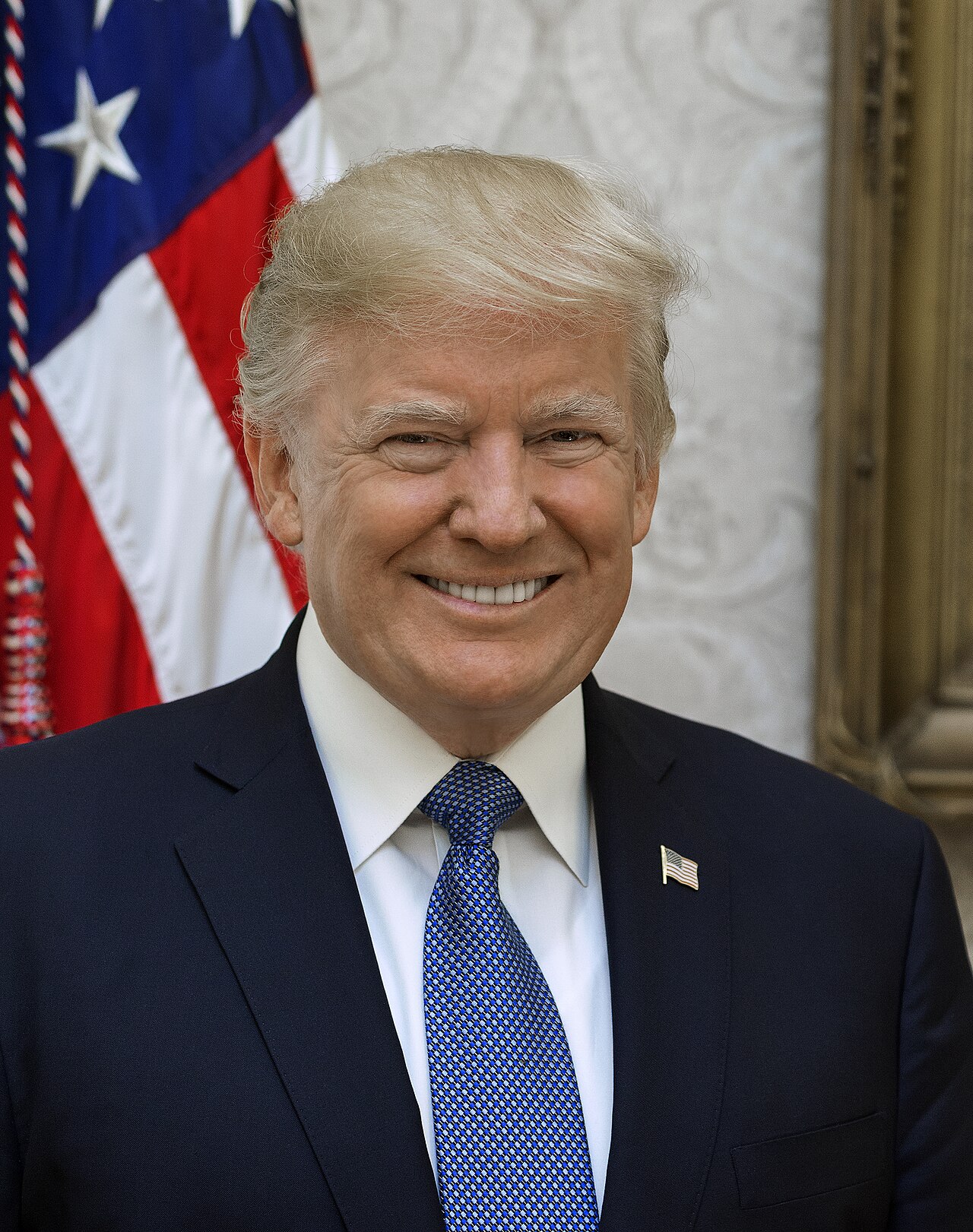
President Trump has returned to one of his favorite explanations for uncomfortable news: “Fake News.” His argument is simple. The U.S. wins battles, the media says America lost, and that narrative becomes Iran’s most valuable psychological weapon. In a war where public perception can move oil prices, allies and negotiations, that is not a small accusation.
But the deeper problem for Trump is that the challenge to his victory narrative is not coming only from journalists. It is also coming from intelligence assessments, military analysts and the unresolved reality on the ground.
The administration has repeatedly claimed that Iran’s military, missile infrastructure and nuclear program were heavily damaged. Trump has also insisted that the United States achieved its main objectives without needing an endless war. Yet recent reporting and assessments suggest a more complicated picture: Iran’s missile forces were degraded but not destroyed, its stockpiles remain a key issue, and Tehran has shown an ability to restore parts of its launch network faster than Washington expected.
That does not mean Trump “lost” in a simple sense. Wars are rarely that clean. The U.S. damaged Iranian assets, demonstrated reach and forced Tehran into negotiations. But if Iran still retains significant missile capacity, still holds enriched uranium, still influences Hormuz, and still commands regional proxy networks, then the phrase “we won” becomes more political than strategic.
The China factor makes the issue even sharper. U.S. and allied analysts have warned that Beijing’s industrial ecosystem, dual-use components and sanctions workarounds could help Iran rebuild or sustain missile capabilities. This does not necessarily mean China is openly supplying Iran with complete weapons in a cartoonish way. Modern military rebuilding often runs through electronics, machine tools, chemicals, financing, software, shipping networks and third-country intermediaries. That is much harder to stop than a single cargo ship full of missiles.
Trump’s supporters will argue that intelligence leaks are often political. They will say the same bureaucratic system that opposed Trump’s foreign policy now has an incentive to undermine him. That possibility deserves consideration. Intelligence assessments can be incomplete, selective and weaponized by officials who leak them. But dismissing every bad assessment as fake news is also dangerous. If leaders refuse to absorb inconvenient information, they risk negotiating from fantasy.
The Iran deal debate shows why this matters. If Trump believes Iran is broken, he can demand maximal concessions. If Iran believes it survived, it can resist. If U.S. intelligence suggests Iran remains resilient, then Washington must decide whether to escalate, compromise, or pretend the battlefield is better than it is.
The public should ask one question: what would a real victory look like? No Iranian nuclear weapon? Open Strait of Hormuz? No missile threat to Israel? No attacks on U.S. bases? No Chinese support for Iranian rebuilding? No Hezbollah escalation in Lebanon? Each definition produces a different answer.
The headline says Trump’s lies were exposed by U.S. intelligence. The more precise version is that intelligence reporting has exposed the gap between political messaging and military reality. Trump may still get a deal. He may still claim victory. But the evidence suggests Iran was not erased from the strategic map. It survived badly wounded, still dangerous, and still bargaining.
That is not fake news. It is the uncomfortable part of war that slogans cannot bury.