Trump Says He Is Considering Military Action Against Cuba: What Did He Actually Say?
Trump said he would “certainly consider” military force against Cuba and wants to address the island before leaving office. The remarks were made in a radio interview, not announced as an operational decision.
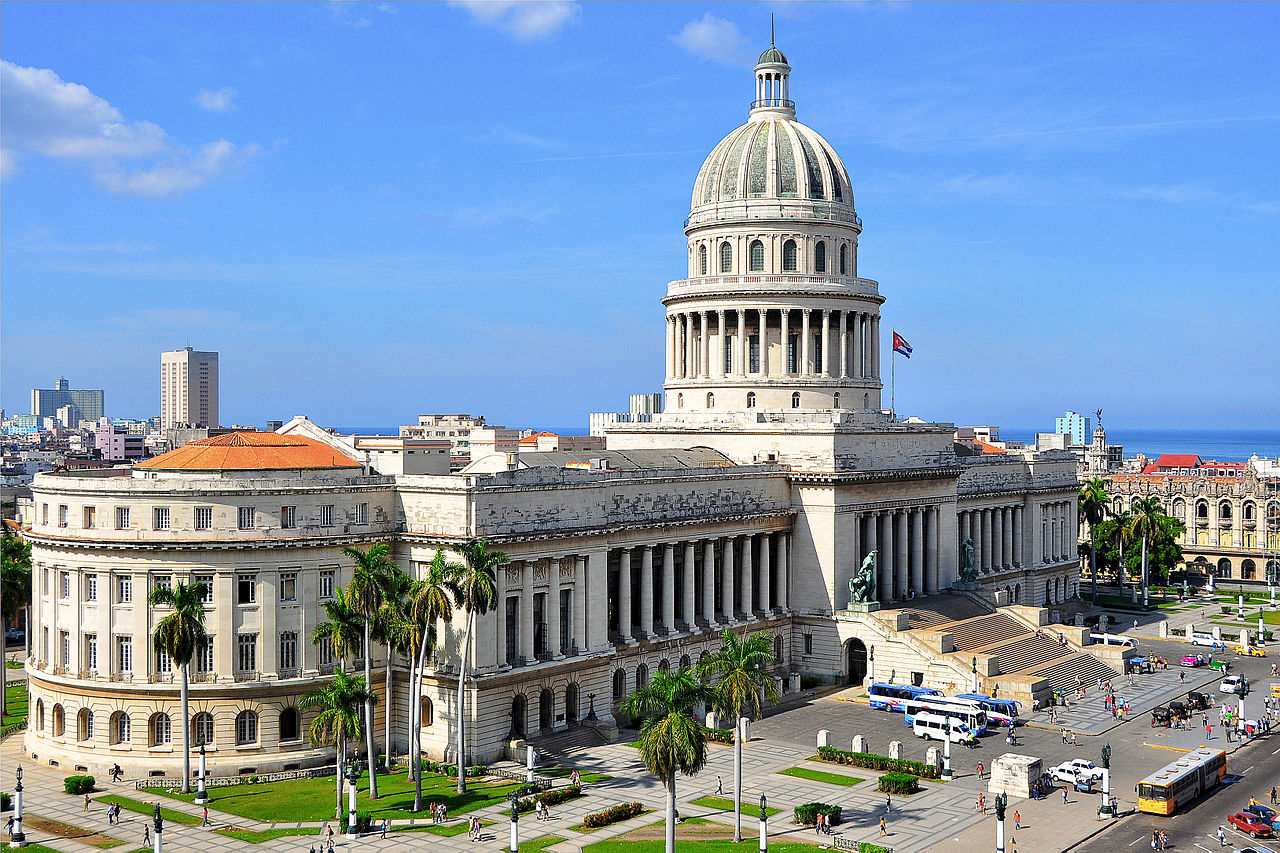
President Donald Trump said he would “certainly consider” using military force against Cuba, adding that he wants to “get Cuba done” before leaving office in 2029. The comments came in a phone interview with conservative radio host Hugh Hewitt, who asked whether Trump was considering “freeing Cuba” through military intervention.
Trump did not announce an operation, set a timetable or describe a plan. His remarks nevertheless mark a sharper public statement than a general expression of pressure. He called Cuba a failed state and said Secretary of State Marco Rubio, whose parents are Cuban, would support action. The administration has not publicly detailed what “getting Cuba done” would mean.
The comment lands amid the longstanding U.S. embargo, deep political divisions between Washington and Havana, and economic hardship on the island. Supporters of a tougher approach argue that pressure could help weaken a government they view as repressive. Critics warn that military intervention could cause civilian harm, trigger regional instability and repeat a history of U.S. involvement in Caribbean politics that remains deeply contentious.
The word “consider” leaves several possibilities open. It may be a negotiating threat intended to pressure Havana, a signal to Cuban-American voters, or a genuine indication that military options are being discussed. Without policy documents or official planning statements, it would be premature to treat the interview as proof that an attack is imminent.
Any use of force would also raise questions about domestic legal authority, congressional oversight, international law and the likely reaction of neighboring countries. Cuba’s proximity to the United States does not make a military campaign low-risk. A conflict could produce displacement, affect shipping and draw in other governments.
The most important uncertainty is whether the president’s words are meant to open a path to negotiation or close one. What political or security outcome would Washington consider success? And who would decide whether Cuba’s future is being determined by Cubans themselves—or by outside pressure?