Did Trump's Son Buy $50M in Oil Stocks Before the Iran War? The Viral 'Perfect Trade' Claim Collapses Under Scrutiny — OSINT fact check
A viral post claims Trump's son bought tens of millions in oil stocks right before the Iran war and profited from the spike. There's no evidence supporting the Barron version of the claim, and the broader allegation remains unproven. The real story: why these narratives spread, what would be required to prove it, and what the law actually targets.
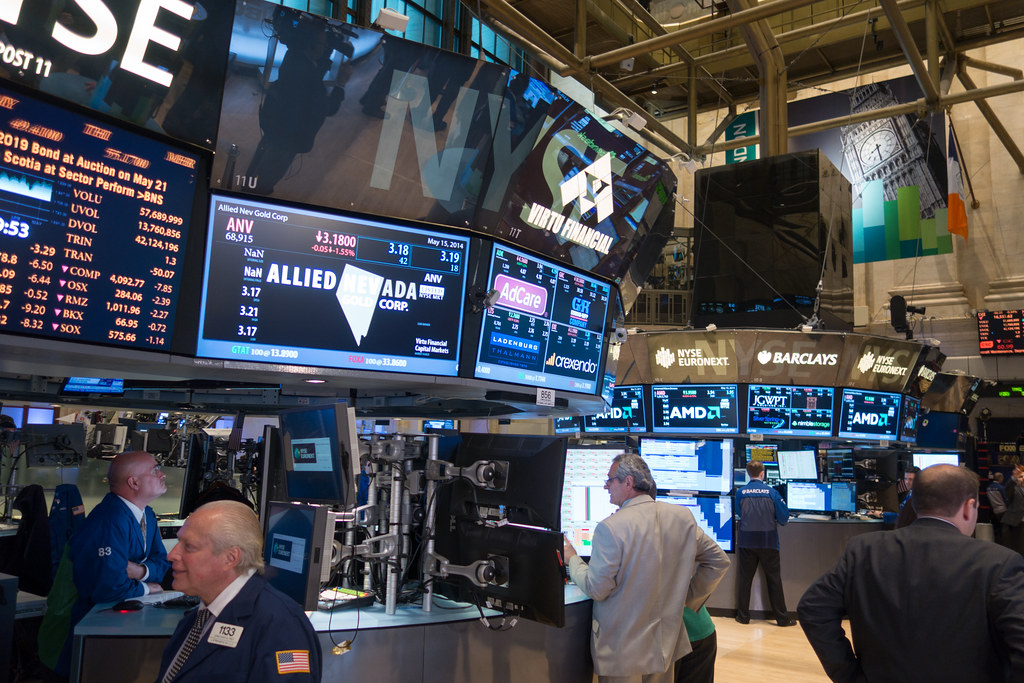
A claim is circulating that Trump's son bought roughly $50 million in oil-sector stocks shortly before the Iran war began—then profited massively when prices surged.
The claim is the perfect social-media weapon: it compresses outrage, market fear, and political distrust into one simple timeline.
But timelines are not evidence.
At least one version of the story—focused on Barron Trump—has been directly fact-checked as unsupported. Yahoo reported there is no evidence Barron Trump purchased $30 million worth of oil before the war, and no credible documentation backs the rumor. (https://www.yahoo.com/news/articles/fact-check-no-evidence-barron-040555698.html)
That does not automatically clear every Trump-family-related allegation someone might make. It does mean the viral story as presented is not proven—and some variants are already debunked.
So how should a serious reader evaluate the broader "perfect trade" narrative?
- Start with what would be required to prove it.
To substantiate a claim like this, you'd need one of the following:
- verified brokerage records,
- a credible disclosure filing (if applicable),
- a confirmed investigative report from a major outlet citing documents,
- or a law-enforcement / regulatory inquiry with evidentiary detail.
Without documentation, the story is an accusation, not reporting.
- Understand what insider trading law actually targets.
Insider trading is generally about trading securities while in possession of material nonpublic information, in breach of a duty, often paired with tipping.
Proving it is difficult because it requires showing not only that a trade occurred, but that it was informed by nonpublic information and that a duty was breached.
A war decision, however, is not a corporate earnings report. Establishing "material nonpublic information" and a duty relationship becomes legally and politically complex.
- Ask the harder question: why does this claim resonate?
Because markets did move sharply.
For example, The Wall Street Journal reported U.S. crude ended a recent day at $90.90 a barrel and described the week as an unusually large jump based on historical records. (https://www.wsj.com/livecoverage/jobs-report-unemployment-stock-market-03-06-2026/card/brent-crude-tops-89-a-barrel-8AvtXjYVoFOZSNZRrQzk)
And Reuters reported shipping costs exploded as Hormuz traffic collapsed, pushing VLCC rates to record highs—another mechanism amplifying oil and gas price shocks. (https://www.reuters.com/world/middle-east/middle-east-oil-shipping-costs-surge-all-time-high-us-iran-conflict-intensifies-2026-03-02/)
When people see historic market movement tied to political decisions, suspicion becomes a default emotion.
- What about Bitcoin or other assets?
Right now, this conversation is mostly rumor-driven. Without verifiable data, adding additional assets becomes compounding speculation.
The responsible posture is: treat all "family profited from war" claims as allegations unless backed by documents.
Open questions that matter more than a viral screenshot:
- Will any reputable investigative outlet publish documented evidence of unusual pre-war trading tied to insiders?
- Will Congress or regulators open an inquiry, and will it be evidence-based or performative?
- How do democracies manage the trust problem when war decisions move markets in ways that look like opportunity?
War always creates winners and losers in markets.
That truth makes conspiracy claims easy to believe.
But belief is not proof.
If your site aims to be an OSINT dashboard, the standard has to be higher than the timeline that feels most satisfying.