Trump Calls U.S.-South Korea War Games “Hostile”—as 55% of Koreans Turn Against America
Trump ordered the Ulchi Freedom Shield exercise scaled back, calling its signal to North Korea inappropriate and hostile. A Pew survey found 55% of South Koreans view the U.S. unfavorably—but 84% still name it as their most important ally.
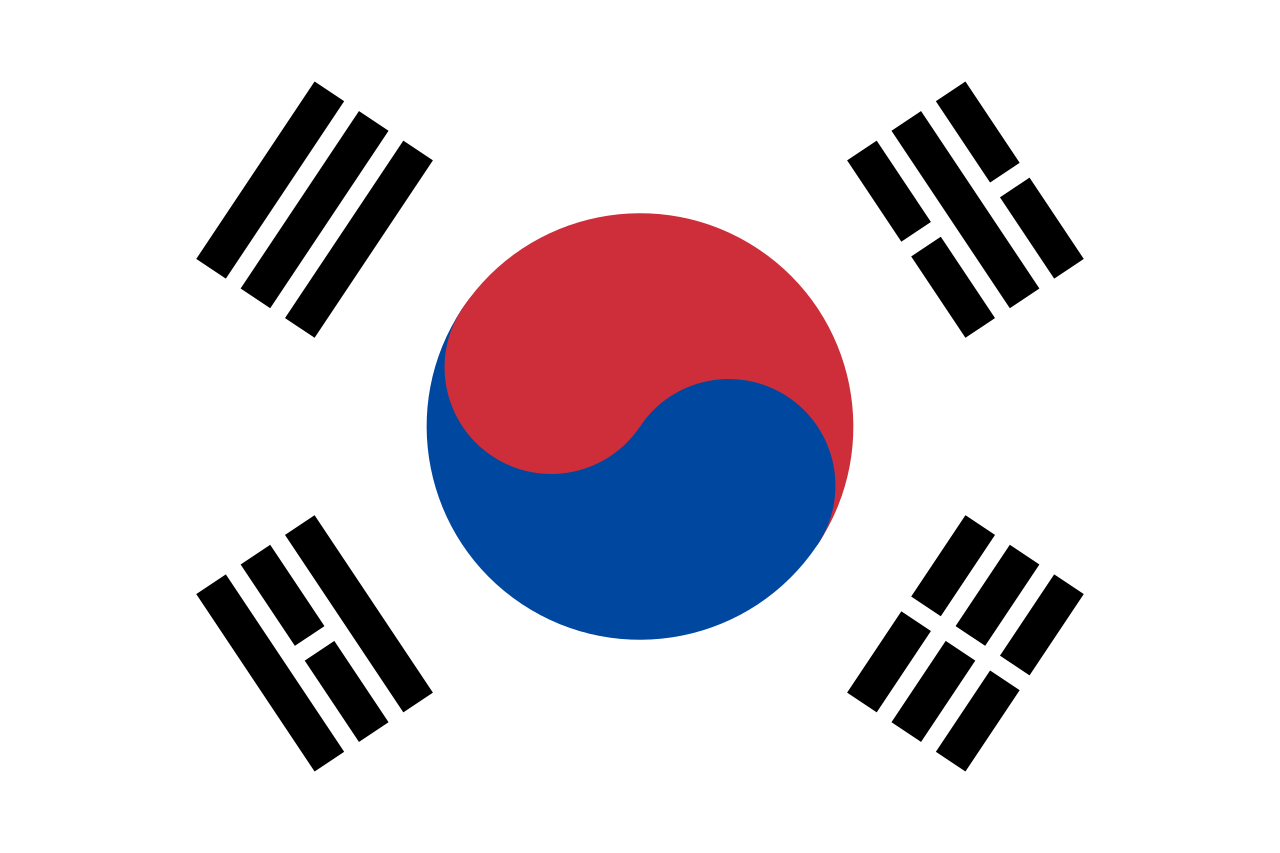
President Donald Trump says joint U.S.-South Korean military exercises send a “totally inappropriate and hostile” signal to North Korea. At the same time, a new Pew survey finds that 55% of South Koreans now view the United States unfavorably—the first majority in more than two decades of Pew tracking.
Put together, the two developments look like an alliance breaking apart. The full data tell a more complicated story.
Trump ordered the Pentagon to scale back Ulchi Freedom Shield, an 11-day exercise involving about 18,000 South Korean troops and scenarios including missile, drone and cyber attacks. He described North Korea as “unthreatening and respectful” and framed the reduction as a gesture toward Kim Jong Un.
Supporters may see strategic flexibility. North Korea has long portrayed the exercises as invasion rehearsals, and previous suspensions helped create room for dialogue. If a smaller drill leads to inspections, missile restraint or direct negotiations, reducing symbolic pressure could be an inexpensive opening.
Critics see an unreciprocated concession. North Korea continues missile testing and expanding its nuclear arsenal. Training is not only political signaling; it is how American and South Korean forces practice command, logistics and response under crisis conditions. Repeated reductions can weaken readiness even if each individual change appears limited.
The Pew result captures a broader crisis of trust. Favorable views of the U.S. fell from 61% in 2025 to 45%, while unfavorable views rose from 39% to 55%. Eighteen percent described their view as very unfavorable. Only 21% said Washington considers South Korean interests in foreign policy, and approval of Trump’s tariff policy was exceptionally low.
Timing is crucial. The survey was conducted from March 3 to April 4, before Trump’s call to scale back the exercise. The drill decision cannot have caused the measured decline. Respondents were reacting to earlier trade, security and Iran-war policies, as well as accumulated concerns about U.S. reliability.
The same respondents did not abandon the alliance. Eighty-four percent still named the United States as South Korea’s most important ally, although only 57% called it a reliable partner. This is not simple anti-Americanism. It is possible to dislike current U.S. policy while believing the alliance remains essential against North Korea and in a region shaped by China.
President Lee Jae Myung’s government seeks greater military autonomy and more balanced relations with Beijing. Opponents describe it as the most left-wing and pro-China administration in South Korean history. That is political rhetoric, not a measurable classification. Lee has also maintained the U.S. alliance, condemned North Korean launches and operates within a society where China is often viewed negatively.
Beijing is testing the space. Chinese Foreign Minister Wang Yi urged Seoul not to take sides and blamed U.S. hostility for peninsula tensions. China wants South Korea to pursue “strategic autonomy.” For Seoul, autonomy can mean having more choices; it does not automatically mean alignment with China.
Trump’s approach creates a two-level gamble. He may believe personal diplomacy with Kim can reduce nuclear danger while pressuring Seoul on trade and defense costs. But allies interpret reliability through repeated behavior. If the U.S. cuts exercises without North Korean concessions, threatens tariffs and makes security policy online, South Koreans may accelerate independent capabilities—including debates about nuclear weapons.
North Korea may pocket the reduction and demand more. It can argue that Trump has accepted its description of exercises as hostile while offering no rollback of nuclear forces. Alternatively, Pyongyang may see an opportunity to re-enter dialogue without losing face. The next North Korean action will show which interpretation has more weight.
South Korean politics will shape the response. Conservatives may use the decision to argue that only stronger national defense and tighter alliance structures can compensate for Washington’s unpredictability. Progressives may argue that large exercises perpetuate a cycle of threat and counter-threat. Both can point to the same poll: distrust of U.S. decisions is rising even while dependence on the alliance remains.
There is also a lesson for headline writers. “55% turn against America” describes favorability, not a vote to expel U.S. forces or end the treaty. “Trump seeks peace” describes stated intent, not a negotiated concession from North Korea. The alliance can be strategically necessary and politically unpopular at the same time.
Will smaller exercises reduce danger or advertise division? The answer depends on reciprocity. If North Korea pauses tests, opens talks or accepts verification, Trump can claim the signal worked. If it expands its arsenal while allied readiness erodes, the gesture will look like leverage surrendered for applause.
The deepest warning in the survey is not that South Korea has chosen Beijing. It is that an ally can remain indispensable while becoming less trusted—a position that is stable until a real crisis forces Seoul to decide how much faith to place in Washington.
What to watch next
Watch North Korean missile and nuclear activity, the actual scope of Ulchi Freedom Shield, U.S. troop and command changes, South Korean polling after the decision and any concrete step toward Trump-Kim talks. The key measure is reciprocal restraint, not rhetoric alone.