Trump Floats Venezuela as America’s 51st State—A Joke, a Threat or a Glimpse of US Policy?
Trump suggested Venezuela could become a US state while discussing oil cooperation. The remark was not a formal proposal, but it raises questions about sovereignty and Washington’s leverage.
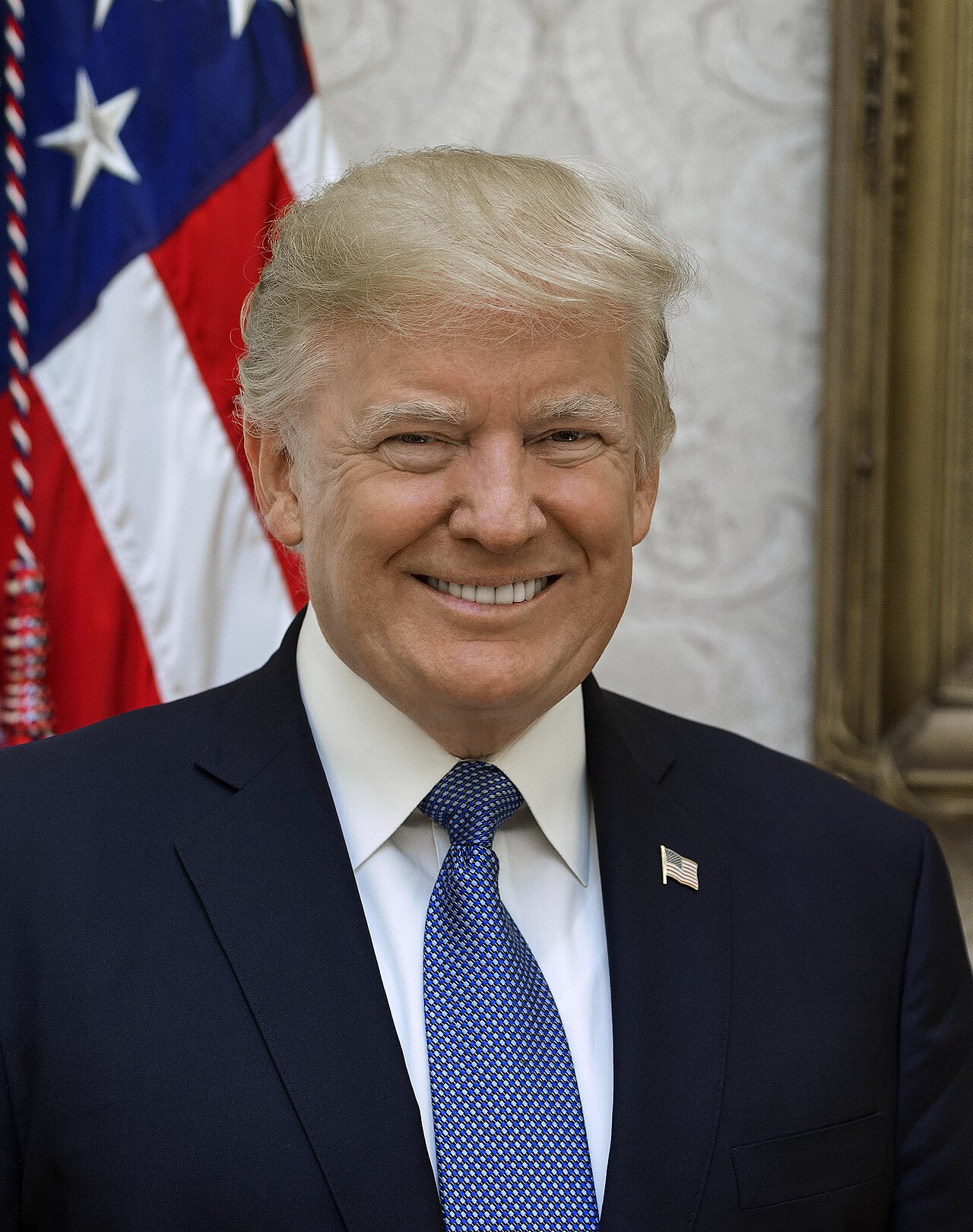
Donald Trump has suggested that Venezuela could become the 51st US state, a striking line delivered while talking about oil cooperation and the country’s future. The comment is real; a formal annexation proposal is not. There is no public process underway to make Venezuela part of the United States, and the remark should be read as political rhetoric unless the administration produces an actual policy plan.
What Trump said
At a rally in Texas, Trump described Venezuela as a country that might become prosperous and said, “who knows, maybe someday soon it will become a prosperous 51st state,” before urging supporters to “make it the 51st state.” The context mixed economic optimism, oil and campaign-style language. The remarks were not accompanied by legislation, a treaty, negotiations or a formal statement from the White House.
That distinction matters in a world where provocative statements are often circulated as if they were government decisions. A president’s words carry weight, but they do not by themselves change another country’s borders or legal status.
What statehood would require
For a foreign territory to become a US state, the process would require extensive legal and political steps, including an act of Congress and the consent of the affected population through legitimate democratic mechanisms. Venezuela is a sovereign country with its own institutions, citizens and national identity. No Venezuelan referendum or bilateral agreement supporting US statehood has been reported.
A suggestion of annexation also raises questions of international law and self-determination. The United Nations Charter prohibits the threat or use of force against a state’s territorial integrity. Any peaceful political association would still require free consent and a lawful process; it cannot be created by a leader’s slogan.
Why make the remark?
There are several possible readings. It may have been a joke or exaggeration intended to energize a rally. It may reflect a transactional view of oil and economic alignment. It could also be a way to signal that Washington expects a close relationship with whatever government emerges in Caracas. Without a policy document or follow-up from officials, none can be established as the definite motive.
The comment lands amid changing US-Venezuela relations and increased attention to oil production. Washington may see energy cooperation as a route to influence supply and investment. Critics may see the combination of economic pressure and talk of statehood as disrespectful to Venezuelan sovereignty. Venezuelans themselves hold diverse views about US involvement, and a rally line should not stand in for their political preferences.
Why it can still matter
Even unserious rhetoric can unsettle markets, diplomacy and public opinion when it comes from a president. It can normalize language about territorial expansion, confuse the distinction between cooperation and control, or provoke a response from Caracas. Conversely, overinterpreting a campaign remark as a settled plan can inflate a political performance into a false breaking-news claim.
The evidence threshold is straightforward: look for an executive order, bill, official negotiations or a statement from Venezuela’s government. None has been announced. Until that changes, the story is about what Trump said and what the language may signal—not a US plan to absorb Venezuela.
Does the phrase reveal an ambition to reshape the relationship, or was it designed only to dominate a news cycle? The next official steps, if any, will tell more than the slogan.
The wider question
The history of US territorial expansion makes this kind of line more than a throwaway for some audiences. Puerto Rico’s status, statehood debates and past US interventions in Latin America shape how Venezuelans may hear the remark. Still, historical context is not evidence of a present annexation plan. The strongest signal will be policy: whether the administration respects Venezuelan institutions, negotiates commercial agreements transparently and treats migration and oil as shared issues rather than grounds for coercion. Venezuelan opposition groups also have varied views about US pressure, sanctions and foreign investment. Coverage that assumes they all favor the same approach erases local debate. The most useful question is whether Washington’s engagement expands Venezuelans’ choices or narrows them under the language of prosperity.