Trump’s Venezuela 51st State Shock: Oil Strategy, Imperial Fantasy or Negotiating Theater?
Trump is reportedly floating Venezuela as a potential U.S. state, citing its enormous oil reserves. Is this a serious annexation idea, a campaign provocation, or leverage in a collapsing regional order?
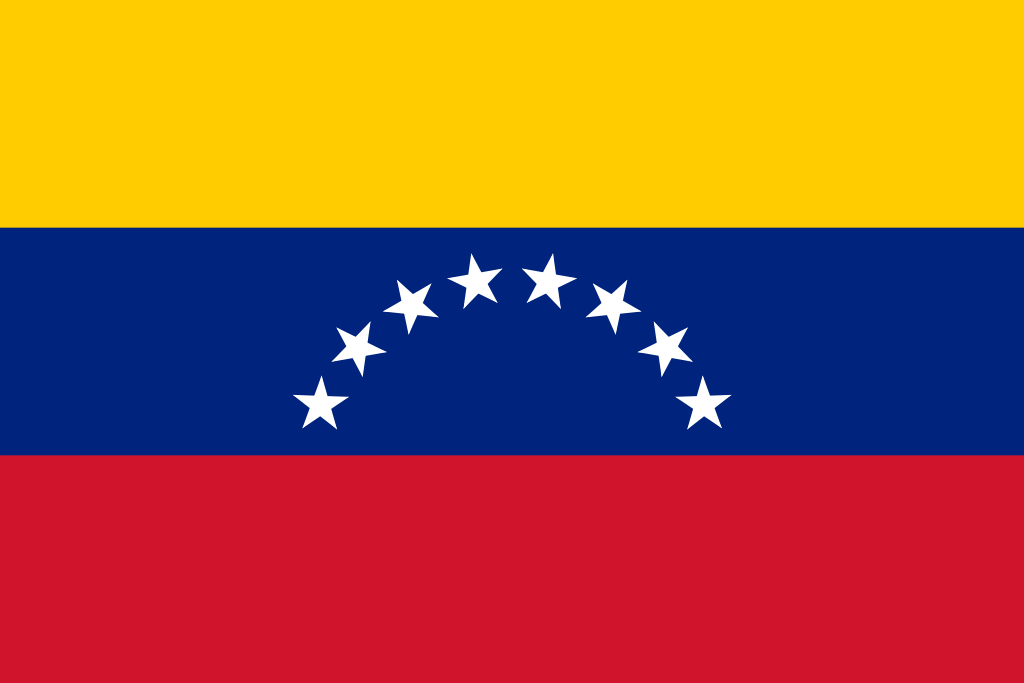
The latest Trump headline sounds like satire until it starts moving through political media: President Donald Trump is reportedly “seriously considering” making Venezuela the 51st U.S. state. The quote, attributed to Fox-linked reporting and amplified across conservative media, comes with the kind of Trumpian fuel that makes it impossible to ignore: Venezuela’s oil, the promise of historic expansion, and the idea that “Venezuela loves Trump.”
This is not a normal foreign-policy proposal. It is also not a normal joke.
Venezuela holds some of the largest proven oil reserves on Earth. For decades, Washington has viewed the country through a mix of ideological rivalry, sanctions, energy strategy and migration pressure. In 2026, after U.S. intervention dramatically reshaped Venezuelan politics, the question of who controls Venezuela’s oil is no longer academic. It sits at the center of the post-Maduro order, the future of OPEC, China’s Latin America strategy and the dollar’s role in energy markets.
Calling Venezuela a potential U.S. state turns that entire debate into a meme. But memes are often how modern power tests the limits of what can be said.
From a legal perspective, statehood is not something a president can simply announce. It would require constitutional, congressional and territorial processes, as well as some form of consent from the affected population. The U.S. has territories that have debated statehood for generations without resolution. Turning a sovereign Latin American country into a state would trigger fierce domestic, regional and international opposition.
From a geopolitical perspective, the idea is explosive. Latin America has a long memory of U.S. intervention. Even governments that dislike Venezuela’s former leadership would be cautious about endorsing outright annexation language. China and Russia would frame it as proof that Washington’s democracy rhetoric was always a cover for resource control. Regional governments would ask whether sovereignty still means anything when oil is involved.
Supporters of Trump may interpret the statement differently. They may argue that Venezuela has been broken by socialism, corruption and narco-politics, and that U.S. administration could stabilize the country, restore production and turn oil wealth into prosperity. Some Venezuelan exiles, exhausted by collapse, may privately welcome anything that ends the cycle of authoritarianism and scarcity.
Critics will see colonial language dressed as energy policy. They will argue that saying “$40 trillion worth of oil” out loud gives away the real motive. If the case for U.S. involvement is democracy, why focus first on reserves? If the case is humanitarian recovery, why talk about statehood as if a country can be absorbed like a corporate acquisition?
There is also an election dimension. Trump’s political style depends on dominance theater. Greenland, Canada, Panama, Cuba and now Venezuela have all appeared in his larger territorial imagination. Sometimes the point is not to implement the idea. The point is to force everyone to react, to shift the debate, and to remind allies and adversaries that the United States under Trump will not use the old diplomatic vocabulary.
Could this become policy? Probably not in the literal 51st-state sense. But could it signal deeper U.S. control over Venezuelan oil, security, ports, customs, debt restructuring and political transition? Absolutely.
That is where the real story lives. Not in the cartoon version where Venezuela simply becomes another star on the flag, but in the practical version where Washington exercises decisive influence over the country’s energy system while leaving the legal map unchanged.
The viral headline asks whether Trump will make Venezuela a state. The better question is whether formal statehood even matters if control over oil, security and finance already moves elsewhere.
Maybe this is a joke. Maybe it is bait. Maybe it is the first draft of a new Monroe Doctrine written for the age of energy panic.
Either way, Latin America is listening.