Turkey’s Radar-Spoofing Missile: The Cheap Decoy That Could Change Naval Warfare
Turkey’s BALKIN radar-deception system is being hyped as a missile that makes enemy sensors see false targets. The real story is less magical — and still militarily important.
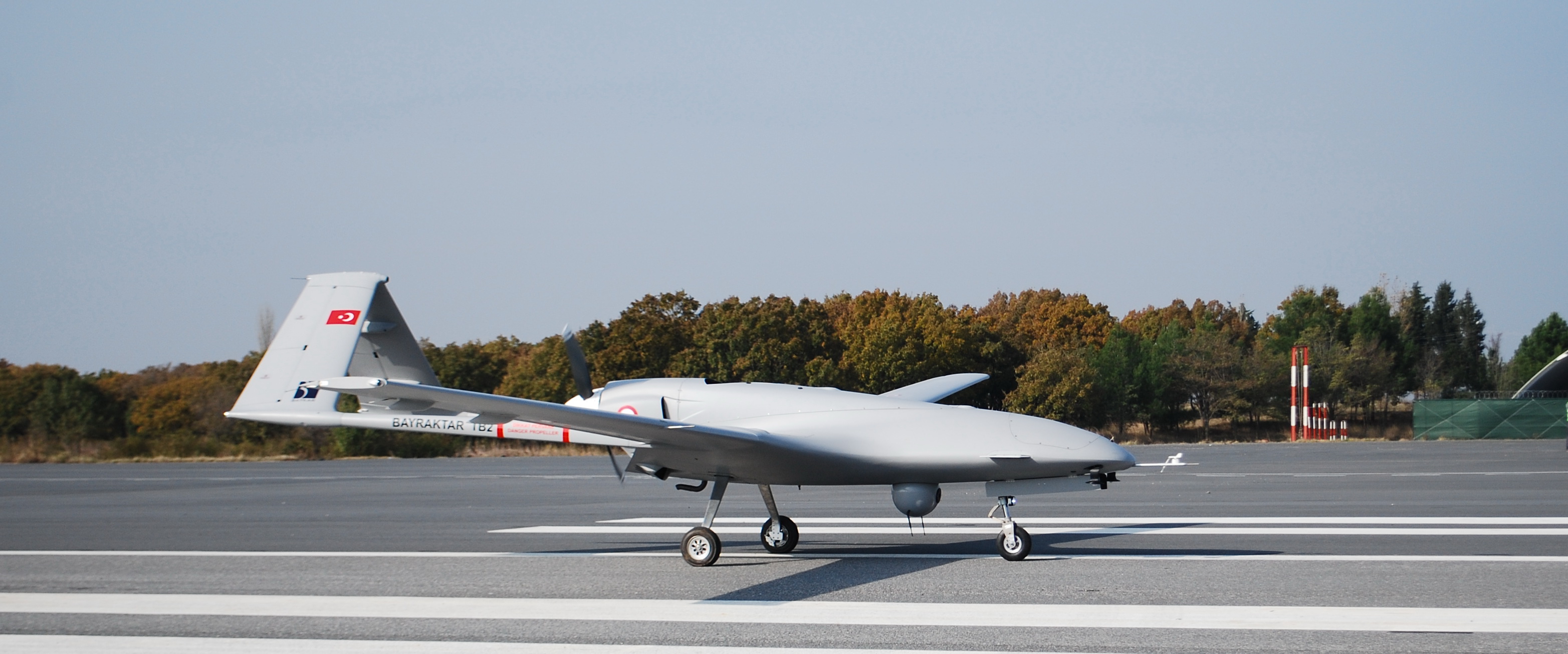
Turkey’s new radar-deception missile has become the latest example of how modern warfare is shifting away from pure firepower and toward confusion. Viral posts describe it as a weapon that tricks enemy radars into thinking they are surrounded by fighter jets and missiles, forcing them to fire at ghosts. That description is exaggerated, but the underlying idea is very real.
The system generally discussed in open reporting is Turkey’s BALKIN, a 130mm naval chaff countermeasure developed to protect ships from radar-guided missiles. Instead of destroying the incoming missile directly, it creates a radar-reflective cloud designed to confuse the missile’s seeker. In simpler terms, it gives the enemy radar something else to look at.
This may not sound as dramatic as hypersonic missiles or stealth fighters, but it is central to the future of naval survival. A ship does not need to be invincible. It needs to force the attacker to waste shots, lose lock, misread the target or strike the wrong point in space. In missile warfare, seconds and sensor confusion matter.
The broader lesson is that the cheapest layer of defense may be deception. A modern anti-ship missile can cost hundreds of thousands or millions of dollars. A warship can cost billions. If a comparatively cheap decoy causes an expensive missile to miss, the economics change. If a defensive system can be produced domestically and deployed across a fleet, the strategic value grows.
Turkey’s interest in this field is not accidental. Ankara has spent years building a defense ecosystem designed to reduce reliance on foreign suppliers. Drones, electronic warfare, naval systems, missiles and now advanced aircraft programs all fit the same doctrine: sovereignty through domestic military technology. Turkey does not want to be only a NATO customer. It wants to be a producer, exporter and systems integrator.
That ambition has consequences. Israel, Greece, France, Russia, the Gulf states and the United States all watch Turkish defense advances through different lenses. For some, Turkey is a partner. For others, it is a competitor. For many, it is both at the same time.
The viral Israel angle should be handled carefully. A radar-deception missile does not mean Turkey is preparing for direct war with Israel. But it does show that Turkey is developing the kinds of tools that matter in any high-end conflict: deception, survivability, electronic warfare and layered defense. If Israeli and Turkish interests continue to collide in Syria, the Eastern Mediterranean, Gaza politics or broader regional alignments, these capabilities will shape calculations.
The same applies to the Strait of Hormuz war. The world is watching how cheap drones, missiles and decoys stress expensive platforms. Iran’s approach has already shown that you do not need a blue-water navy to create naval risk. Turkey is learning the same industrial lesson from a different position: build the tools that make expensive enemy weapons less certain.
There is another question: will these systems work under real combat conditions? Many defense products look impressive in promotional materials and controlled trials. Real war is different. Jamming, weather, salvos, electronic counter-countermeasures, human error and battle damage can expose weaknesses. Until a system is tested under pressure, claims should remain claims.
Still, BALKIN represents a wider shift that is difficult to ignore. The future battlespace will not simply be about who has the biggest missile. It will be about who can see, who can hide, who can deceive, who can process data faster, and who can make the other side waste its most expensive weapons on false signals.
That is why radar spoofing matters. It turns the enemy’s confidence against him. It says: your missile may be smart, but what if the world it sees is fake?
In that sense, Turkey’s new system is not just a naval accessory. It is a symbol of the age of deception warfare. The question is no longer only whether a ship can survive a missile. The question is whether the missile can still know what the ship is.