Turkey, Saudi Arabia and Pakistan Sign a Joint Defence Pact: ‘Sunni NATO’—or a Flexible Coalition Built for a Post-U.S. Middle East?
Turkey, Saudi Arabia and Pakistan are signing a new trilateral defence agreement in Saudi Arabia, Reuters reports. The pact deepens military coordination among three major Sunni powers but its mutual-defence obligations, command structure and relationship with NATO remain unclear.
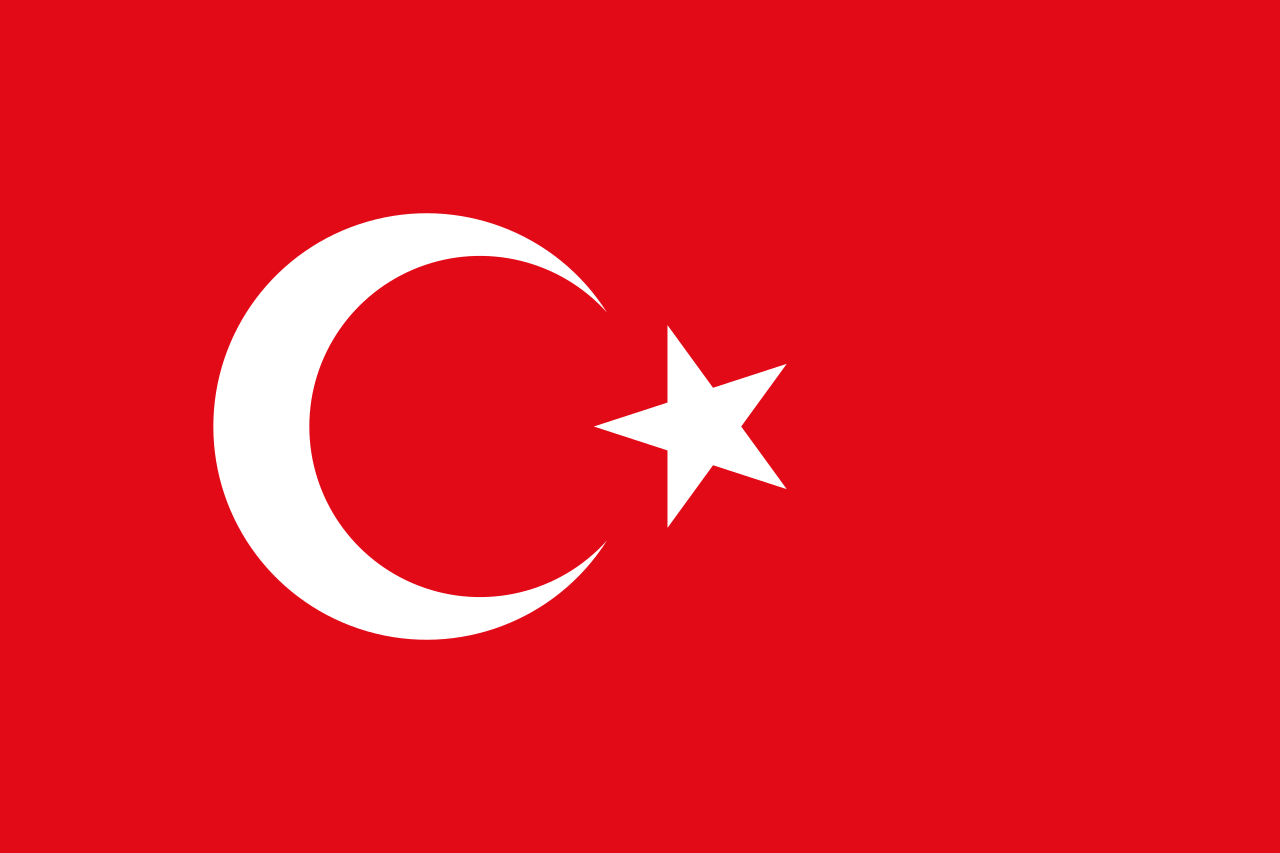
Turkey, Saudi Arabia and Pakistan are signing a joint defence agreement in Saudi Arabia, according to Reuters sources with direct knowledge of the arrangement.
The pact brings together three of the Muslim world’s most significant military powers.
Turkey is a NATO member with a large defence industry and combat-experienced armed forces.
Pakistan is the only Muslim-majority nuclear-armed state and has long-standing military ties with Saudi Arabia.
Saudi Arabia possesses enormous defence spending power and is trying to reduce dependence on the United States.
That combination has already inspired descriptions such as a “Sunni NATO.”
The label is premature.
Reuters says the agreement will deepen defence cooperation, but full details have not yet been publicly released.
A true collective-defence alliance requires a clear commitment that an attack on one member will trigger action by the others.
It also needs command procedures, planning, intelligence sharing and rules for deployment.
Without those elements, the pact may be closer to a strategic cooperation framework.
The agreement has been discussed for months.
Pakistan and Saudi Arabia already maintain a bilateral Strategic Mutual Defence Agreement.
Turkey has expanding defence relationships with both states.
The new document appears to connect those existing structures rather than create cooperation from nothing.
The timing is critical.
The Iran war has exposed limits in the old Gulf security model.
Saudi Arabia hosts and relies on American forces but has still faced missile and drone attacks.
Washington’s decisions can also create risks for Gulf countries without giving them control over U.S. strategy.
Riyadh therefore wants additional partners.
Pakistan brings manpower, military training, nuclear status and geographic proximity.
Turkey brings drones, missiles, aircraft technology and an independent regional power base.
For Islamabad, Saudi money and Turkish defence technology are valuable.
For Ankara, the agreement expands influence across the Gulf and South Asia.
Iran will watch the pact carefully.
All three countries are Sunni-majority powers, and Saudi Arabia has recently confronted Iran-backed groups.
That does not mean the alliance is automatically anti-Iran.
Pakistan shares a border with Iran and has reasons to avoid war.
Turkey competes with Tehran in Syria and elsewhere but also maintains trade and diplomatic relations.
Saudi Arabia itself has spent years trying to reduce direct confrontation with Iran.
The pact may therefore be designed more broadly around regional autonomy than sectarian containment.
Israel is another complicated factor.
Saudi Arabia has explored ties with Israel.
Turkey’s relations with Israel have deteriorated sharply.
Pakistan does not recognise Israel.
This alone makes a unified anti- or pro-Israel military posture unlikely.
The agreement also does not replace NATO for Turkey.
Ankara remains bound by Article 5 obligations to the Atlantic alliance.
Any separate defence commitment must coexist with those responsibilities.
Washington may welcome burden-sharing while worrying about strategic independence.
If Saudi Arabia can rely more on Turkey and Pakistan, U.S. leverage over Gulf security policy may decline.
China may also benefit indirectly because Pakistan is one of Beijing’s closest partners and Saudi Arabia increasingly trades with China.
The pact therefore fits a more multipolar security order.
Its significance will depend on implementation.
Will there be joint bases?
Integrated air defence?
Defence-industry projects?
Naval patrols?
Intelligence-sharing centres?
Automatic military assistance?
The open question is whether the agreement becomes a genuine alliance capable of acting independently of Washington—or remains a flexible framework whose members cooperate where interests overlap and quietly step aside when their priorities diverge.