UK Police Raid Religious Sect in Crewe: Modern Slavery, Forced Marriage and the Question of Closed Communities
British police arrested members of the Ahmadi Religion of Peace and Light in Crewe after allegations of rape, sexual assault, forced marriage and modern slavery. The case is about crime, not collective blame.
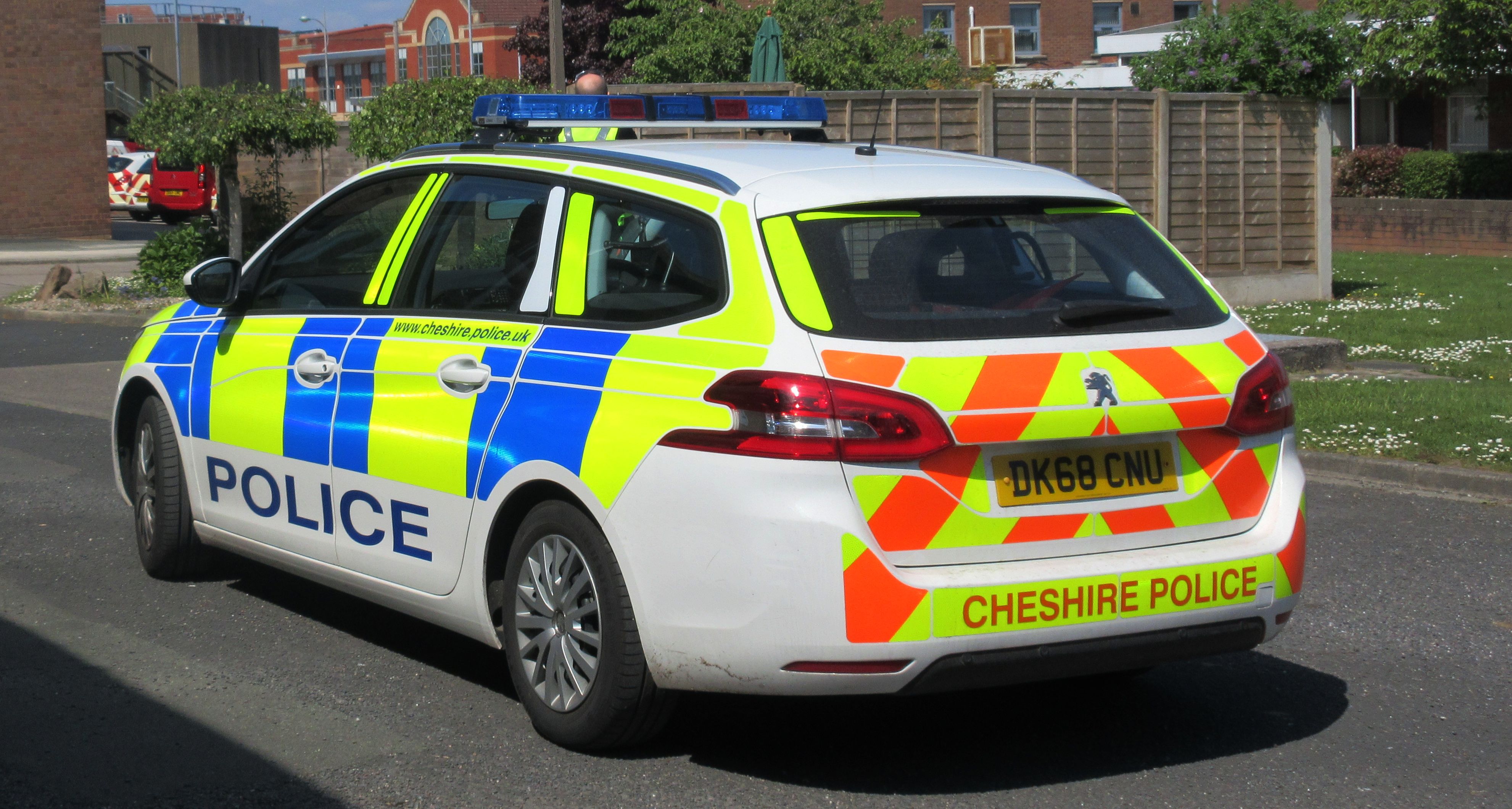
A major police operation in Crewe, England, has placed the Ahmadi Religion of Peace and Light under intense scrutiny after arrests linked to allegations of rape, sexual assault, forced marriage, human trafficking and modern slavery. Cheshire Police said multiple people were arrested following serious allegations connected to the religious group. Reports say hundreds of officers participated and that a large number of people, including children, lived at the gated site.
The case is disturbing. It is also legally sensitive. Arrests are not convictions. Allegations are not proof. The people detained are entitled to due process. But the scale of the police response shows that authorities are treating the matter as serious and complex.
The Ahmadi Religion of Peace and Light is a small religious movement with roots in Shia Islamic ideas but distinct from mainstream Islam and distinct from the larger Ahmadiyya Muslim Community, which itself is a separate religious tradition. That distinction matters because cases involving fringe or closed religious groups often trigger broad prejudice against much larger communities that have nothing to do with the alleged crimes.
The correct focus is not Islam. It is control. Modern slavery and forced marriage investigations often involve environments where isolation, hierarchy, dependency and fear combine. The controlling structure may be religious, familial, financial, ideological or psychological. The issue is not the label on the building. The issue is whether people were free to leave, refuse, choose relationships and speak to authorities without retaliation.
That is why this case will likely be watched closely by police, child-protection officials, religious-freedom advocates and anti-trafficking organizations. Britain has spent years strengthening laws around modern slavery and coercive control, but enforcement remains difficult when alleged victims live inside closed communities. Outsiders may not know what is happening. Insiders may fear consequences. Children may not understand that their normal is abnormal.
The challenge for police is to separate religious belief from criminal conduct. The state cannot and should not criminalize unusual theology. People have the right to believe strange things, live communally, follow demanding spiritual leaders and organize private lives around faith. But that freedom ends where coercion, sexual violence, forced marriage, trafficking or child exploitation begins.
The challenge for the media is similar. The temptation is to turn the case into a sensational story about an “Islamic sect.” That framing may generate clicks, but it risks feeding collective suspicion. If the allegations are proven, the crime belongs to the perpetrators and the structures that enabled them, not to millions of Muslims or to every minority religious community.
Several questions now matter. Were residents able to move freely? Were children receiving proper safeguarding and education? Were marriages arranged, pressured or forced? Were vulnerable adults controlled by leaders? Did charitable status or legal recognition provide legitimacy that discouraged scrutiny? Did local agencies receive warnings before the police raid?
For now, the public should avoid rushing to collective judgment. But it should also avoid minimizing the allegations. If police claims are substantiated, this could become one of Britain’s most important modern-slavery cases involving a religious organization. The lesson should not be that minority religions are dangerous. The lesson should be that any closed power structure, religious or secular, becomes dangerous when accountability disappears.