US and Japan Agree on a Missile Facility—Is This About Deterrence, Stockpiles or Preparing for a Longer Arms Race?
The allies agreed to establish a Japanese facility for final assembly and inspection of AMRAAM air-to-air missiles. The site and production schedule have not been announced.
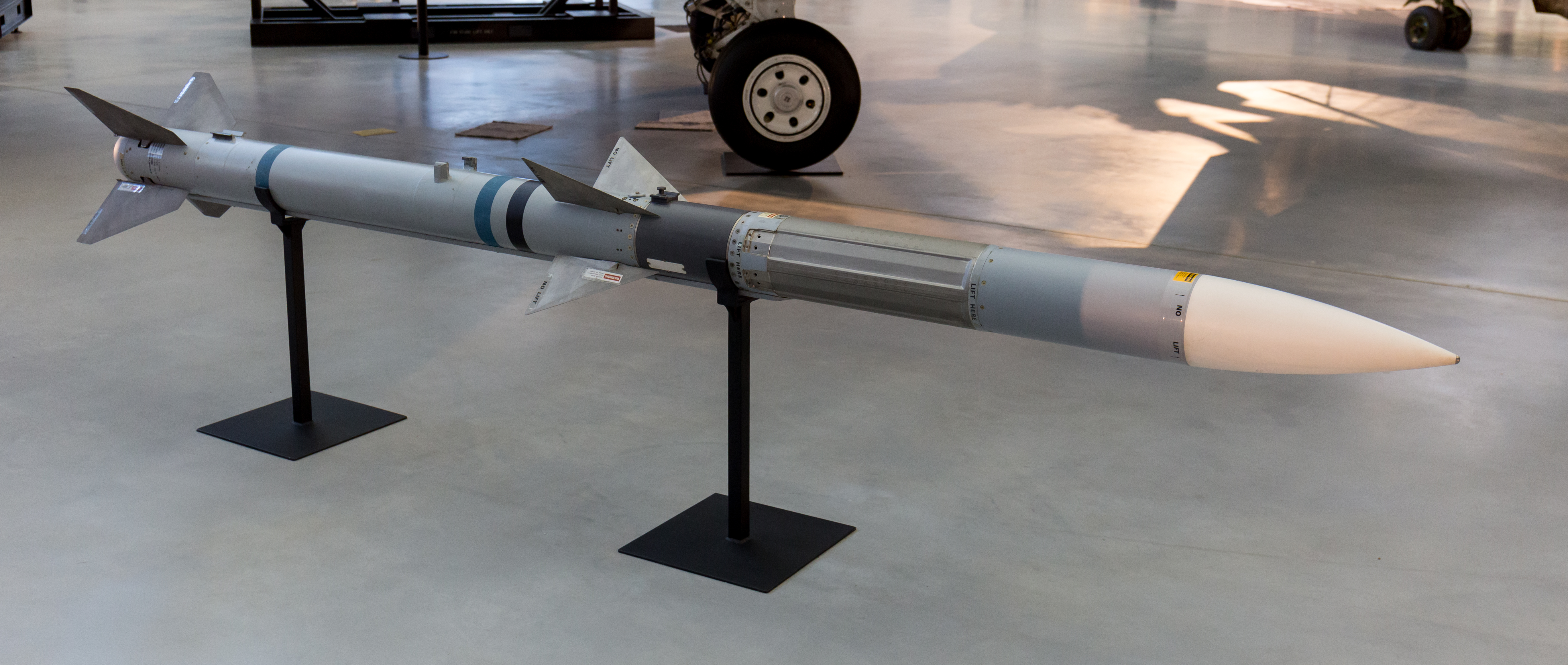
The United States and Japan have agreed to establish a facility in Japan for the final assembly and inspection of advanced medium-range air-to-air missiles, Japan’s defence minister announced after meeting US Defense Secretary Pete Hegseth in the Philippines. The weapon is the AIM-120 AMRAAM, widely used by US and allied fighter aircraft. The agreement is significant for regional production and stockpiles, but it does not mean Japan is opening a broad missile factory or immediately manufacturing every component domestically.
What the agreement covers
Japanese Defense Minister Shinjiro Koizumi said the new site will assemble and inspect AMRAAM missiles. The facility’s location, expected output and start date have not been announced. The Pentagon’s public readout described broader cooperation on critical munitions but did not provide technical details about the plant. The agreement follows years of negotiations and comes alongside a US contract worth up to $20.7 billion for increased AMRAAM production by RTX in the United States.
AMRAAM is an air-to-air missile carried by aircraft including the F-35. It is designed to engage aerial targets at beyond-visual-range distances. The Japanese facility would help expand supply and reduce reliance on a single production base. In an era when wars consume interceptors and missiles faster than factories can replace them, manufacturing capacity has become a central part of deterrence.
Why Japan is joining production
Japan is increasing defense spending and strengthening its industrial role as tensions rise across the Indo-Pacific. Tokyo and Washington describe the agreement as a way to ensure both militaries can obtain equipment and to build a more resilient regional supply chain. A local production facility could shorten some logistics routes and give Japan greater familiarity with a key system used by its aircraft.
The arrangement also reflects a gradual shift in Japan’s postwar defense posture. Japan has constitutional and policy constraints on military exports and weapons cooperation, though recent governments have expanded the circumstances in which defense technology can be transferred. A facility producing a US-designed missile for allied forces will renew debate over how far Japan should go in becoming an arms-production partner.
Deterrence—or a production race?
Supporters argue that a credible defense depends on having enough weapons available when a crisis begins. A larger stockpile could discourage an adversary from assuming that the allies would run out of missiles in a prolonged conflict. They also argue that joint production reduces vulnerabilities exposed by wars in Ukraine and the Middle East.
Critics may see another step in a regional arms race, particularly as China expands its own missile forces and North Korea continues weapons development. More production can reassure allies, but it can also be interpreted as preparation for conflict. The agreement does not identify a specific country as its target; AP reported that Japanese and US officials avoided naming China directly. Strategic context is clear, but a declared production facility is not proof that a war is imminent.
There are practical risks too. AMRAAM contains sensitive guidance technology, and sharing manufacturing requires safeguards against theft or unauthorized transfer. The facility could face workforce, component and export-control bottlenecks. A new assembly site will not automatically produce a large increase in missiles if engines, electronics or other parts remain constrained.
What to watch
The key details are the facility’s location, ownership, production capacity, funding, security arrangements and whether Japan will make components or only assemble US-supplied kits. The allies should also explain how they will prevent diversion and ensure the weapons are used under agreed rules.
Does local production make a crisis less likely by raising the cost of aggression, or does it lock both countries into a faster cycle of rearmament? The answer will depend on whether increased capacity is matched by diplomacy and crisis-management channels.
The wider question
There is also an industrial-policy question. Tokyo wants a stronger domestic defense base, but relying on US intellectual property and components may limit how much production is truly independent. The US benefits from a partner able to assemble missiles closer to the region, yet both countries must manage export controls and technology security. If the facility only inspects and assembles parts produced elsewhere, it may improve throughput without creating a fully self-sufficient supply chain. That can still matter during a crisis, but officials should be clear about what bottleneck the plant is designed to solve. A production agreement can improve readiness only if the factories, suppliers and skilled workforce deliver at scale.