US-Iran War Alert: Pentagon Prepares Options for Renewed Strikes, but Has Trump Decided?
Axios reports US forces are preparing for a possible return to large-scale operations against Iran, while the Wall Street Journal says some officials are urging Trump to strike. Preparation is not an order.
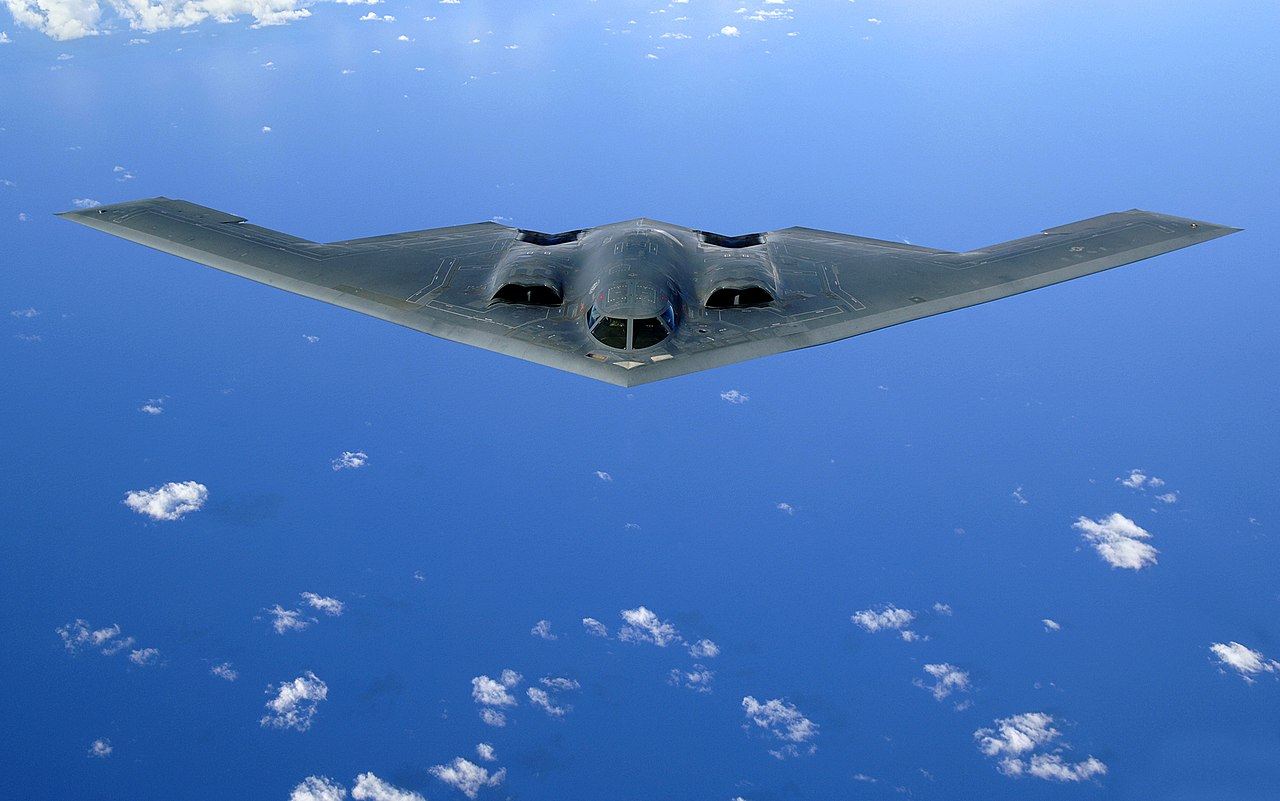
Preparation is not a presidential order
The US military is completing preparations that could support a resumption of large-scale attacks on Iran, Axios reported, while the Wall Street Journal reported that administration officials have urged President Donald Trump to authorize new strikes. The reports have revived a basic question at the center of the conflict: is Washington preparing a contingency, or moving toward a decision?
Those are different things. Armed forces routinely update operational plans, reposition equipment and prepare options for senior leaders. Such readiness can deter an adversary, protect US forces or give the president choices if diplomacy fails. It can also make escalation easier once political leaders decide to act. The existence of preparations alone does not prove that Trump has approved a strike.
The Axios report describes military planning and assets being prepared for a possible resumption of combat. The WSJ account describes internal advocacy for renewed action. Neither should be paraphrased as a confirmed timetable unless officials announce an order or forces begin a clearly documented operation.
Why now?
The latest developments come against a backdrop of stalled diplomacy and continuing regional tensions. Supporters of another strike may argue that military pressure is needed to prevent Iran from rebuilding capabilities or threatening US and allied forces. Critics would ask whether the previous campaign achieved lasting goals, whether a new attack would provoke retaliation, and whether the administration has a credible plan for what follows.
The consequences would extend well beyond the immediate targets. Iran could respond directly or through allied groups, affecting US bases, shipping lanes and energy infrastructure. Even the expectation of escalation can move oil markets and raise insurance costs for commercial vessels. Gulf governments may be particularly exposed, even if they privately favor limiting Iran’s power.
There is also a political dimension. Trump must weigh military advice, congressional authorities, public tolerance for another costly conflict and the risks to US personnel. Reports of officials urging an attack reveal disagreement inside the administration, not necessarily a consensus.
The evidence still missing
The most useful signals to watch are direct statements from the White House and Pentagon, deployments that can be independently verified, and any response from Tehran or regional mediators. Claims circulating online about exact strike dates should be treated skeptically unless backed by reliable reporting.
A president’s decision could change quickly. But for now, the public record supports a narrower conclusion: military options are being prepared and some officials reportedly want them used. What threshold would trigger an order? And if another round begins, what would count as a successful end rather than the opening of a longer war?