The US Gets Plague Too—So Why the Panic?
The United States averages about seven human plague cases a year, showing that the disease persists in nature even though modern outbreaks remain rare and treatable.
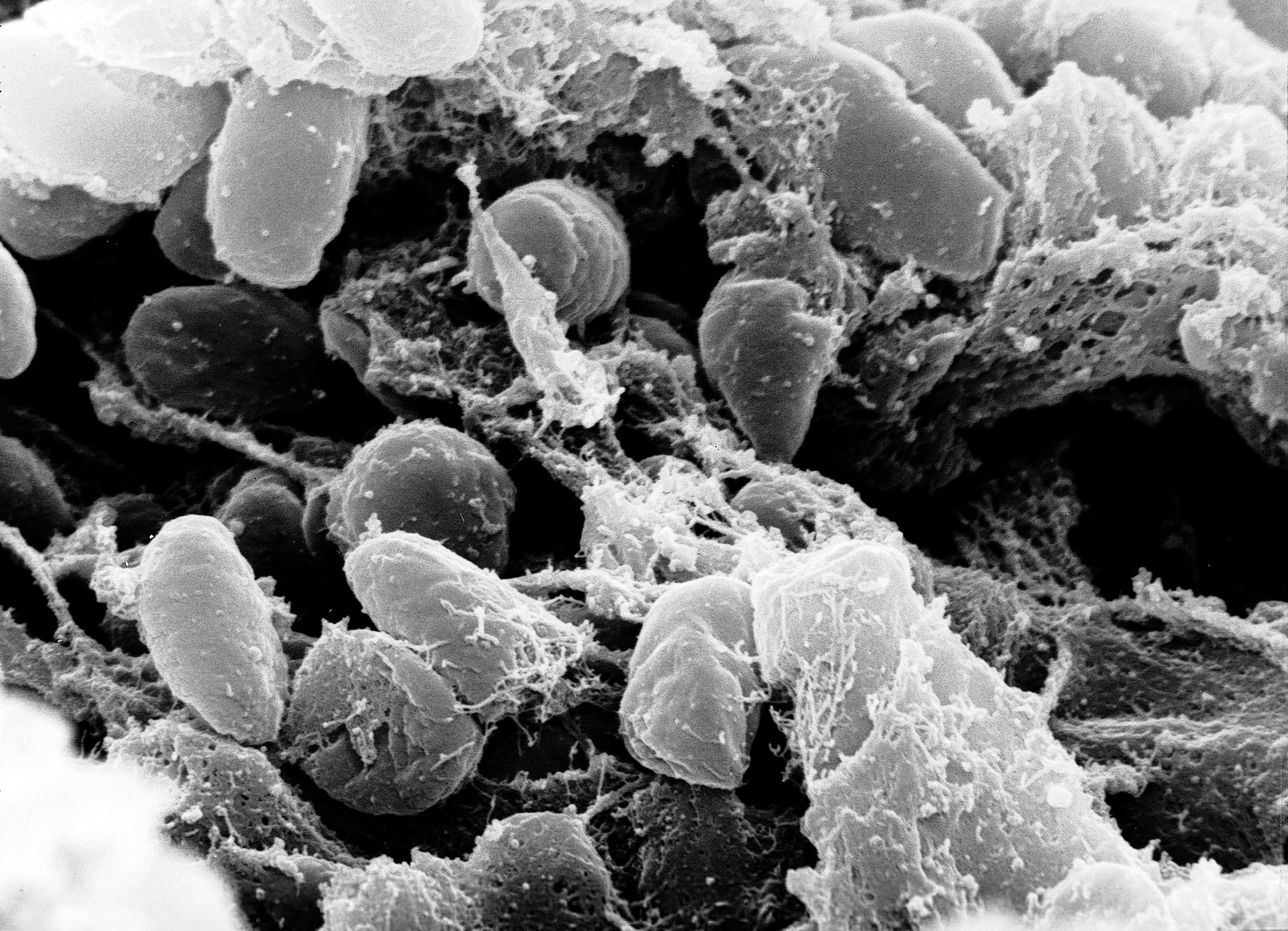
The United States records an average of about seven human plague cases each year, according to the Centers for Disease Control and Prevention. That surprising fact is useful context for Russia’s Irkutsk scare—but it does not prove that the current Russian case is harmless or that America has a larger outbreak.
Plague never disappeared. The bacterium Yersinia pestis circulates in wild rodents and their fleas in parts of Africa, Asia and the Americas. In the United States, cases occur mainly in rural areas of northern New Mexico, northern Arizona, southern Colorado, California, southern Oregon and western Nevada.
Most American cases are bubonic plague, usually acquired through an infected flea bite or contact with an infected animal. Pneumonic plague affects the lungs and can spread between people through close exposure to respiratory droplets. Septicemic plague affects the bloodstream. All forms can be fatal without prompt treatment.
Modern antibiotics changed the risk. When clinicians identify plague early, drugs can be highly effective. Public-health teams trace close contacts and may provide preventive antibiotics. That is why a few isolated animal-linked cases do not recreate the medieval Black Death.
“Easily curable” is still too casual. Treatment must begin quickly, especially for pneumonic disease, and delayed diagnosis can be deadly. Rural exposure, nonspecific early symptoms and limited medical access can complicate care. The accurate phrase is treatable with prompt antibiotics, not harmless.
The CDC’s seven-case average also should not be misused. It is a long-term annual statistic, with a range from zero to 17 in recent decades. It does not mean seven Americans are currently infected. Russia, meanwhile, has not publicly confirmed plague in the deceased Irkutsk researcher or among her contacts.
Comparing country totals requires consistent time periods and definitions. “The US has more plague than Russia” may be statistically true over some historical years because the American West has known natural reservoirs and robust reporting. It says little about whether a specific Russian laboratory incident occurred.
The Irkutsk concern arose because the deceased worked at an anti-plague institute and Russian communication was incomplete. More than 60 coworkers were quarantined and repeatedly tested negative. No transmission chain has been reported. The World Health Organization wants more information before finalizing its risk assessment.
Both extremes are unhelpful. Pandemic-style panic ignores the negative tests, known biology and absence of confirmed spread. Dismissing the event because plague exists naturally in US rodents ignores the need to determine what killed a laboratory worker and whether containment procedures failed.
Public-health risk depends on exposure. A person hiking in an endemic region, handling a sick animal or caring closely for a pneumonic-plague patient faces a different risk from an ordinary traveler thousands of kilometers away. Geographic headlines without an exposure pathway create fear rather than guidance.
Authorities should publish diagnostic details without violating patient privacy: which specimens were tested, when they were collected, which methods were used and whether independent confirmation occurred. That information can reassure more effectively than claiming critics are hysterical.
For the public, basic precautions in endemic areas include avoiding sick or dead rodents, controlling fleas on pets and seeking medical care for fever and swollen lymph nodes after possible exposure. People should not hoard or self-prescribe antibiotics.
The real lesson of US plague cases is not that Russia deserves no scrutiny. It is that the word “plague” describes a monitored zoonotic disease as well as a historical catastrophe. Modern surveillance can contain isolated cases—if authorities report honestly and act quickly.
Natural reservoirs mean eradication is unlikely. Plague bacteria can persist in animal populations without producing human epidemics, so surveillance of rodents, fleas and pets remains important. Climate, land use and animal movement can shift exposure patterns. That ecological reality explains scattered American cases more convincingly than claims of recurring laboratory releases or deliberate biological attacks.
The United States also benefits from transparent case reporting. Public maps and historical data make rare infections appear less mysterious and allow researchers to detect trends. Other countries should meet the same standard, especially when a case involves a laboratory employee.
Risk communication works best when it explains both severity and probability. Plague is severe if missed, but the probability of exposure for most people is extremely low.
What to watch next
Watch the WHO’s assessment, Russia’s final diagnosis and any new contact cases. If no transmission appears and testing remains negative, the event will increasingly look like a contained precautionary response rather than an outbreak.