War Economy Mode? Which Parts of That Viral Global Panic Thread Are Real — and Which Parts Are Inflated
A viral thread claims governments from Egypt to India to South Korea are quietly switching into wartime economic emergency mode. Some of the examples are real. Some are exaggerated. A few are stitched together to feel bigger than the documented record.
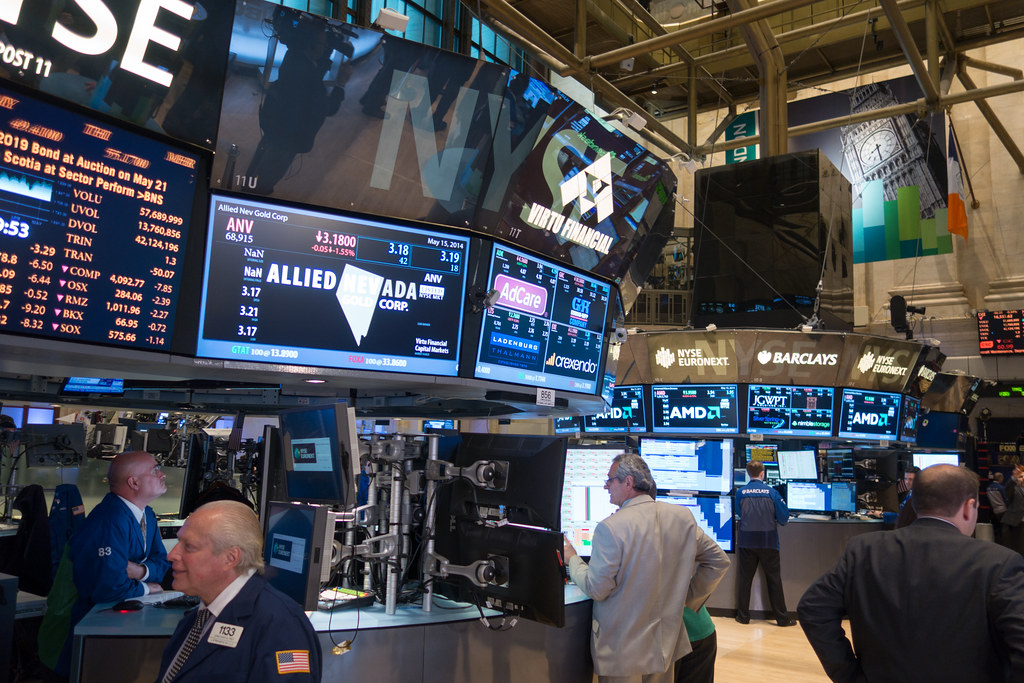
The viral thread feels persuasive because it uses a classic panic formula: ten countries, ten shocking bullet points, one implied conclusion.
The conclusion is that governments across Eurasia and the Middle East have quietly flipped into undeclared wartime economic emergency mode.
Some of the examples are real.
Egypt really did move to early 9 p.m. closures for shops, malls and restaurants while weighing remote work measures to conserve electricity and fuel. Turkey really has been spending heavily to defend the lira, with Reuters reporting banker estimates of roughly $45 billion in interventions since the conflict began. India really did propose an economic stabilisation fund worth 573 billion rupees. Pakistan really did announce fuel-saving austerity measures including cuts to official fuel allowances and reduced office attendance.
That is the factual spine.
But the thread then does what viral crisis content always does: it takes a real spine and adds steroids.
Some claims are overstated. Some are missing context. Some are framed as secret when they were publicly announced. Some imply direct causation where the record shows broader vulnerability rather than a single war-trigger.
This matters because panic content often does not invent from zero. It distorts by compression.
Put ten partial truths into one post, remove the caveats, add urgency and a superiority pose — "if you're not following me, you're 48 hours behind" — and the reader starts mistaking aggregation for revelation.
What is really happening is serious enough without the performance layer.
Governments are rationing, subsidising, defending currencies, tapping reserves and adjusting energy use because the war has become an inflationary and supply-chain shock. That is not fiction. It is visible.
But visible does not automatically mean coordinated collapse.
The better way to read the moment is not that every state has entered some hidden synchronized emergency regime. It is that many states are revealing, at the same time, how thin their buffers already were.
That is less cinematic.
It is also more dangerous.