Was Zelensky’s Plane Nearly Hit by a Russian Drone? The Scare Was Real—but the Distance Remains Unknown
A drone alert delayed Zelensky’s departure from Moldova, and Norway’s prime minister said the plane narrowly avoided being struck. No public evidence yet establishes how close the drone came or whether it targeted the aircraft.
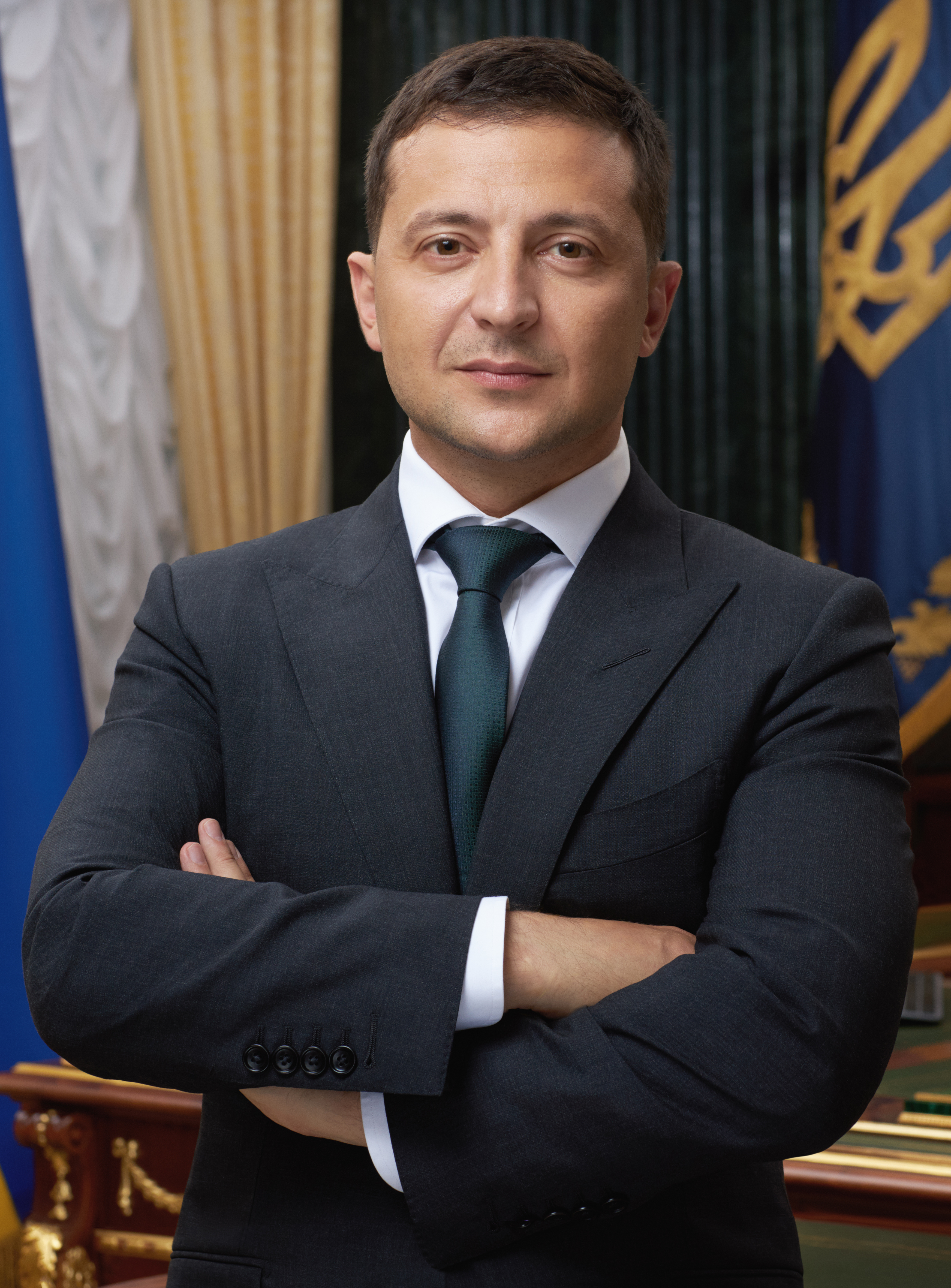
Ukrainian President Volodymyr Zelensky's aircraft faced a genuine security emergency after Russian drones entered Moldovan airspace. But the viral headline that his plane was “almost hit” compresses several facts into a conclusion the public evidence cannot yet measure.
Zelensky was preparing to leave Moldova for Norway when a drone alert closed airspace and delayed the flight. Moldovan authorities reported two Russian drones crossing their territory: one crashed in a field and started a fire, while another continued toward Romania. Norway's prime minister, Jonas Gahr Støre, later said Zelensky's plane narrowly avoided being struck.
Støre's statement is important because it comes from a head of government involved in the visit. It still leaves unanswered how close the drone came, whether paths intersected at the same time and whether anyone believed the presidential aircraft was deliberately targeted. “Narrowly avoided” can describe precautionary delay that prevented potential exposure, not necessarily a drone passing within meters of the plane.
There is no public evidence of an assassination attempt. Russian long-range drones regularly cross or approach neighboring airspace during attacks on Ukraine, through navigation error, route planning or attempts to evade defenses. That does not make the danger accidental in a moral sense: launching weapons near civilian air routes creates foreseeable risk even when a particular aircraft is not the target.
The incident demonstrates how war closes skies beyond the battlefield. Civil aviation relies on predictable routes and timely notices. Drones fly low, change course and may carry warheads that remain dangerous after crashing. A presidential flight receives extraordinary intelligence and protection; ordinary passengers and crews depend on national authorities making the same closure decisions quickly.
Moldova is especially exposed. It is not a NATO member, has limited air-defense capacity and lies beside Ukraine. Every incursion forces Chisinau to balance evidence, relations with Moscow and demands for Western assistance. Romania, a NATO member, faces a different calculation if a weapon crosses its border: intercepting protects territory but introduces risk from falling debris and escalation.
The scare arrived as Trump offered a more hopeful message, saying Vladimir Putin and Zelensky are tired of fighting and could meet soon. Reuters reported Trump describing a positive call with Putin and suggesting a meeting might happen if Zelensky is willing. No agreed date, venue or negotiating framework was announced.
Leaders being tired is not the same as their war aims becoming compatible. Russia demands security and territorial outcomes Ukraine regards as capitulation. Ukraine seeks sovereignty, guarantees and accountability Russia rejects. A meeting can test compromise, produce a limited ceasefire or simply become political theater.
The drone incident could push diplomacy in opposite directions. It may reinforce the urgency of talks by showing how easily an accident could kill a leader or trigger NATO involvement. It may also deepen Ukrainian distrust, particularly if Kyiv believes Moscow launched attacks while diplomatic travel was known.
Security planners will examine whether flight information leaked, whether Russia could track the aircraft and whether routes need more secrecy. Those questions are legitimate. Publicly declaring deliberate targeting before evidence emerges, however, could harden positions and turn an airspace violation into an unverified assassination narrative.
Russia should explain the drones' routes and Moldova should publish radar data where security permits. Ukraine and Norway can clarify the timeline without revealing sensitive protection measures. Transparency would help distinguish a near collision from a precaution that worked exactly as intended.
The language of a “near miss” also affects international law and escalation. Deliberately targeting an aircraft carrying a head of government would be qualitatively different from reckless spillover and could prompt collective security responses. Both are serious, but they demand different evidence and remedies. Investigators should compare flight plans, radar timestamps and the drone's programmed route. If departure occurred only after the threat had passed, the safety system succeeded; if an airborne plane changed course to avoid a weapon, the incident is far more acute.
Insurance and diplomatic protocols may change even without proof of targeting. Future visits could use land routes, military transports or undisclosed schedules, making peace diplomacy slower and more dangerous. Russia may argue it cannot halt nationwide operations for every foreign visit; Ukraine will argue that safe passage is a basic test of Moscow's seriousness. A narrow technical incident can therefore become a measure of political trust.
What to watch next
Watch for radar tracks, official distance estimates, wreckage identification and changes to diplomatic flight procedures. Does Moscow acknowledge the incursion? Do Trump, Putin and Zelensky agree to preparatory talks before a summit? Was this a deliberate threat, an uncontrolled weapon or a potential collision avoided by timely closure—and can peace diplomacy survive if the skies used by negotiators remain part of the battlefield?