$4.7 Billion Missile Surge: Lockheed Patriot Deal Signals the Ceasefire Is Not a Peace Dividend
If a real peace dividend were coming, this would not be the headline. Instead, Washington just approved another giant interceptor surge.
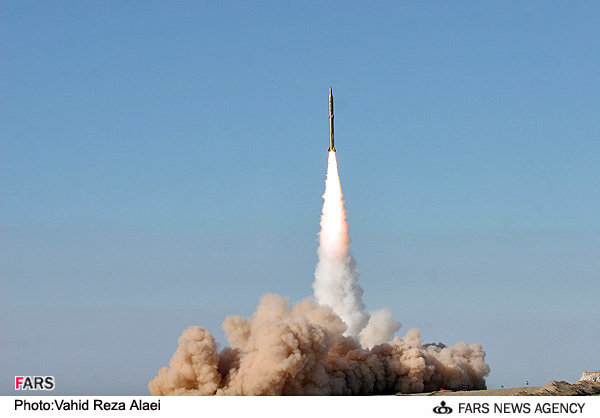
Nothing says “the war may pause, but the arms cycle does not” quite like a $4.7 billion missile-interceptor contract.
Reuters reported on April 10 that Lockheed Martin secured a $4.7 billion production contract for PAC-3 Missile Segment Enhancement interceptors, the most advanced version used in the Patriot system. The most striking detail is not just the size of the award. It is the funding mix: about $4.5 billion is tied to foreign military sales.
That means the people really speaking through this contract are not just U.S. planners. They are allied buyers.
Why does that matter? Because interceptor buying is one of the clearest indicators of what governments think the future threat environment looks like. Countries do not rush into huge PAC-3 MSE commitments because they expect peace to stabilize everything next month. They do it because they expect prolonged missile danger, deeper stockpile depletion, and a strategic environment where air and missile defense remains central.
The timing is almost too perfect. Public diplomacy is talking about ceasefires, talks, corridors, and reconstruction. The procurement system is talking about mass production, replenishment, and surge demand. One language is political. The other is strategic. And procurement tends to be the more honest language.
The contract also fits a broader trend Reuters has already documented: the Pentagon and industry are pushing to sharply expand Patriot-related production capacity. Earlier reporting described plans to more than triple PAC-3 output over time. That tells you something important about the post-Iran-war world. It is not just that missiles have been used. It is that the rate of use, the rate of interception, and the fear of future barrages have reshaped how allies value missile defense.
There is another implication buried inside the funding structure. Because the lion’s share appears to come from foreign military sales, the deal suggests multiple partner nations are urgently trying to shore up their own defensive umbrellas. Whether the end users are Gulf states, Asian allies, European buyers, or some mix of all three, the logic is the same: the war has taught governments that missile defense inventories vanish faster than comforting political speeches suggest.
And that changes the diplomacy too.
A state sitting at a negotiating table while simultaneously ordering interceptor replenishment at scale is not behaving like a state that trusts the ceasefire architecture. It is behaving like a state that believes the current pause could fail, recur, or mutate into a new regional missile equilibrium where the cost of being underprepared is unacceptable.
This is why contracts like this matter more than slogans. Politicians can say the worst may be over. Procurement budgets say what institutions think will actually happen next.
So who bought the missiles? As of now, the public reporting has not named every purchasing country. That uncertainty is part of the story. The Pentagon often reveals the scale before the public sees the full map of recipients. But the broader meaning is already visible: the demand is large, the demand is foreign, and the demand is urgent.
The ceasefire may have slowed one cycle of attacks. It has not slowed the militarization of expectations. A $4.7 billion Patriot surge is not a peace headline. It is the price tag of a world preparing for the next wave.