Algeria and Mali Are Talking Again After a Drone Crisis. Is This a Real Sahel Reset—or a Tactical Truce?
Malian Prime Minister Abdoulaye Maïga arrived in Algiers after the two states restored ambassadors and reopened airspace. The thaw could revive security and trade cooperation, but disputes over Tuareg rebels, the 2015 peace accord and Algeria’s downing of a Malian drone have not vanished.
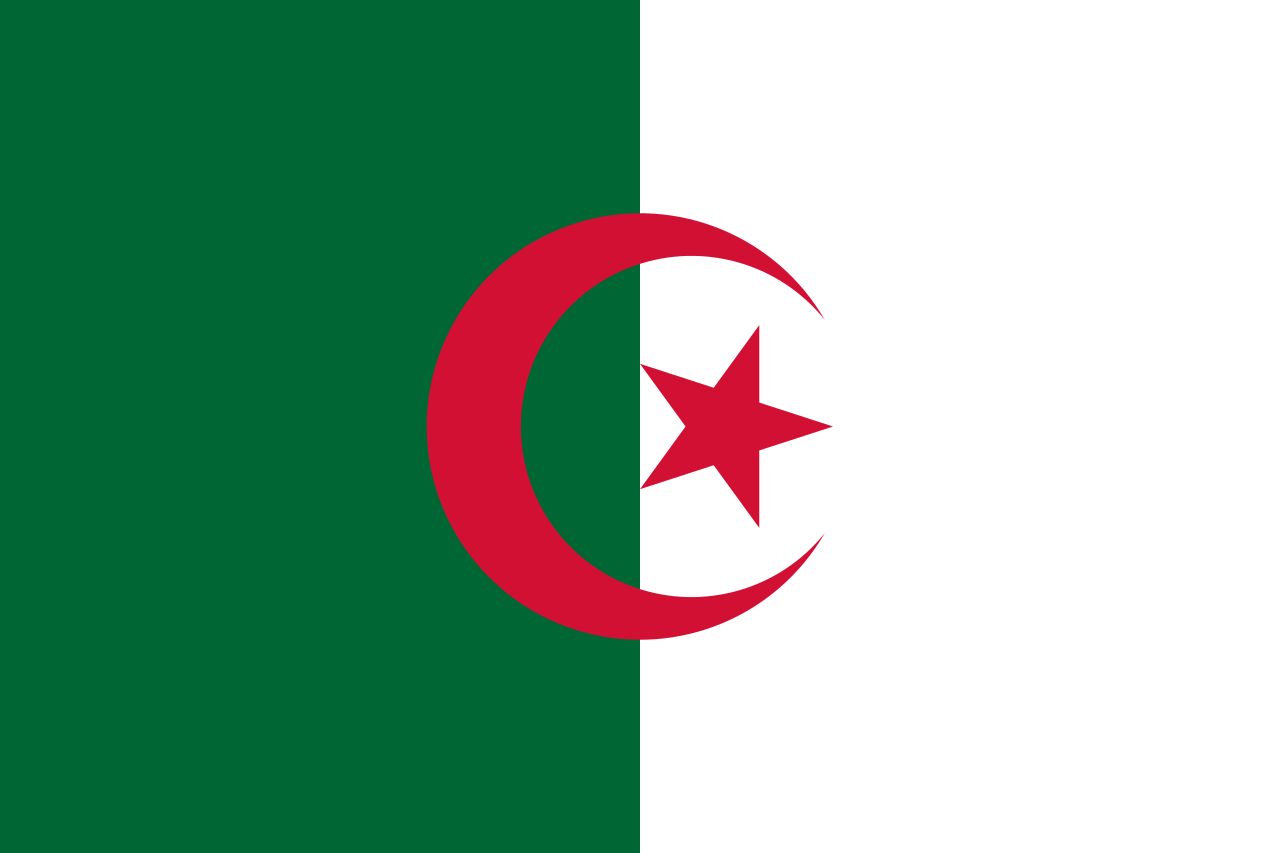
Malian Prime Minister Abdoulaye Maïga has arrived in Algiers for high-level talks, carrying a message from President Assimi Goïta and the symbolism of two neighbors trying to end a dangerous diplomatic freeze.
The visit is more than protocol. It follows the return of ambassadors and the reopening of airspace between Algeria and Mali in July. Those steps reversed a rupture that began after Algeria shot down a Malian armed drone near their shared border in April 2025. Algiers said the aircraft repeatedly violated its airspace. Bamako denied the accusation.
Calling the moment a “thaw” is justified. Calling it reconciliation may be premature.
Maïga was received by Algerian Prime Minister Sifi Ghrieb and senior officials. Government statements emphasized good neighborliness, sovereignty and stronger bilateral cooperation. Those are carefully chosen terms. Sovereignty was exactly what both governments accused the other of violating during the crisis.
The border is not a simple line separating two stable systems. Northern Mali contains armed movements, trafficking routes, jihadist networks and communities with ties extending into southern Algeria. Algiers has long considered stability there a core national-security interest. Bamako’s military-led government increasingly insists that outside mediation must not limit its authority over Malian territory.
That difference erupted before the drone incident. Mali withdrew from the 2015 peace agreement with northern armed groups, a deal Algeria had helped mediate. Bamako accused Algeria of tolerating or supporting separatist and extremist-linked actors. Algeria denied backing terrorism and viewed the collapse of the accord as a threat to regional stability.
Each side now has reasons to reduce tension.
Mali faces armed insurgencies and needs to avoid a hostile northern frontier. Algeria does not want insecurity spilling across its long desert border or rival powers replacing its influence in the Sahel. Restored flights support trade and official contact. Intelligence sharing could help monitor cross-border movement, while diplomatic channels reduce the chance that another aircraft or patrol triggers escalation.
Regional competition also matters. Mali, Burkina Faso and Niger have formed the Alliance of Sahel States and moved away from traditional Western security partnerships. Russian Africa Corps personnel support Malian forces. Morocco has pursued economic and diplomatic access to landlocked Sahel states. Algeria risks losing strategic depth if it remains estranged from Bamako, while Mali risks overdependence on a narrow set of partners.
Does that make the thaw transactional? Almost certainly. That does not make it meaningless.
Diplomacy often resumes because costs change before trust does. Reopening airspace and restoring ambassadors create tools for managing disagreement. A stable relationship need not require identical views of Tuareg political demands, Russian involvement or the legitimacy of cross-border pursuits. It requires rules that stop those disagreements from producing another state-to-state crisis.
The hardest issue will be armed groups. Algeria may favor negotiation with some northern movements to prevent indefinite war. Mali’s government may see those same contacts as interference or support for separatism. If talks in Algiers avoid the subject, the rapprochement could remain ceremonial. If they address it openly, they risk exposing how far apart the two states remain.
The drone case offers a practical test. Will Algeria share radar data or investigation findings? Will Mali acknowledge navigational error, or will both sides quietly agree not to revisit blame? Can they establish a notification mechanism for military flights near the border? A technical agreement could do more for stability than another declaration of fraternity.
Economic cooperation may be easier. Roads, fuel, electricity links, telecommunications and legal trade can give border communities alternatives to smuggling. Yet large trans-Saharan projects have repeatedly been delayed by insecurity, financing and bureaucracy. Announcing connectivity is simpler than protecting it.
Human rights and governance should not disappear from the analysis. Counterterrorism cooperation can improve security, but it can also enable abusive operations if accountability is absent. Civilians in northern Mali have faced violence from jihadists, state forces and allied fighters. A diplomatic reset measured only by government convenience may not improve their lives.
External actors will read Maïga’s visit as a signal. Russia may welcome reduced pressure on its Malian partner. France will watch Algeria’s regional role after its own influence declined. Morocco will assess whether Algiers is rebuilding a southern network. The Sahel states will ask whether rapprochement strengthens or constrains their alliance.
The visit therefore opens a door without proving what lies behind it. Ambassadors are back, aircraft can cross again and senior officials are speaking. Those are real gains after a rupture.
But can Algeria and Mali agree on who is a negotiable rebel, who is a terrorist and how sovereignty works in a borderland neither fully controls? If not, today’s handshakes may be a necessary pause rather than a durable reset. The next unmanned aircraft near the frontier could reveal which one.
What to watch next
The practical tests are a border-flight notification system, intelligence cooperation, commercial agreements and language on northern Mali’s armed movements. Another drone dispute—or agreement on the 2015 peace process—would show how deep the thaw runs.