Bahrain Reports Interceptions, but No U.S. Casualties—What the C-17 Flight Really Shows
Bahrain confirmed intercepting Iranian attacks, but claims of casualties and a medical evacuation flight were challenged by CENTCOM, which said no U.S. personnel were injured.
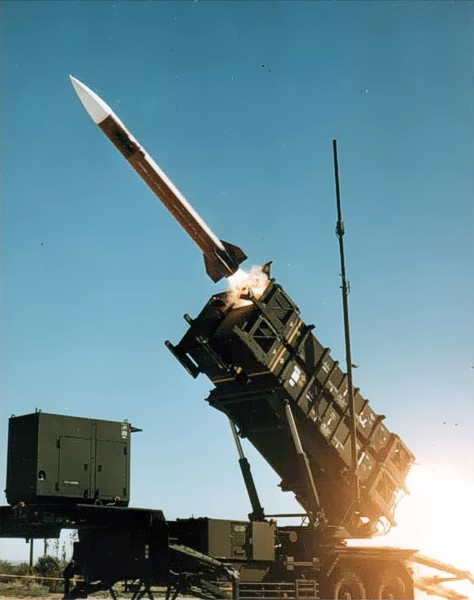
Bahrain’s military says its air-defence systems intercepted several Iranian aerial attacks, but initial claims that U.S. personnel were injured at Isa Air Base have not been substantiated. The most concrete public response came from U.S. Central Command, which said no American service members had been injured in attempted Iranian attacks that week and described online claims of a medical evacuation as false. Bahrain’s statement did not specify the projectiles or provide a public damage or casualty count.
The speculation followed flight-tracking posts about a U.S. Air Force C-17 that departed Ramstein Air Base under the callsign BNDGE01 and later stopped transmitting publicly. Online observers linked the “BANDAGE” callsign to medical evacuation flights and suggested it might be carrying wounded personnel from the Gulf. But callsign patterns and a transponder gap do not establish an aircraft’s mission, passengers or destination. Military aircraft may conceal flight data for operational security, and a C-17 can perform many roles.
Iran’s Revolutionary Guard had earlier claimed it targeted a U.S. radar system at Sheikh Isa Air Base. Bahrain said it intercepted the attack, and Reuters reported there were no initial reports of casualties or damage from that incident. Later alerts and interception reports added to public uncertainty. The reporting timeline matters: a claim about one day’s attack should not be merged with a different alert or presented as proof of casualties.
The U.S. denial does not mean Bahrain faced no threat. It means the specific claim that American personnel were injured and evacuated is contradicted by CENTCOM’s public statement. Independent confirmation would require reliable casualty records, official acknowledgment or corroborated evidence—not a flight path alone. Bahrain may withhold operational detail, while the United States may choose not to disclose every movement, but that does not license a definitive casualty claim.
The episode illustrates how quickly open-source flight tracking can become a story about battlefield losses. It can help identify aircraft movement, approximate altitude or route changes, but it cannot reveal who was on board or why a signal disappeared. The flight may have been medical, logistical or unrelated to the attacks; no publicly verified mission profile was established in the material reviewed.
What the evidence supports
Bahrain reports intercepting attacks. Iran has claimed strikes on U.S.-linked sites. The United States says no American personnel were injured, and the C-17 speculation has not been verified. Those facts can coexist: a real threat may be intercepted without damage or casualties, and a military aircraft may fly without carrying wounded troops.
Were any facilities damaged? Did Bahrain record civilian injuries? What was the C-17’s actual mission? These questions remain open unless authorities provide further evidence. For now, reporting should avoid repeating “U.S. casualties” as fact and should clearly state CENTCOM’s denial alongside Bahrain’s account of the interceptions.
CENTCOM’s statement is unusually direct: it says no U.S. personnel had been injured during the attempted Iranian attacks that week. That should be prominent because casualty claims can affect public support and military decisions. It is possible for classified operational details to differ from what is released publicly, but journalists need evidence before suggesting the denial is deceptive. The C-17’s transponder loss is not evidence that it carried wounded troops; military aircraft frequently limit public tracking. Calling the flight a “medical evacuation plane” based only on an online callsign interpretation overstates what the data show. A later confirmation of its mission could revise this story, but at present the verified picture is interceptions, unconfirmed damage details and an explicit U.S. denial of casualties.
A separate issue is the difference between base alerts and impacts. A successful interception can create loud explosions and debris without the base itself being struck. Residents may hear blasts and report an attack, while military forces describe an interception. Official casualty statements can lag, but CENTCOM’s specific denial should not be omitted. If later evidence contradicts it, the story can be updated with the new record rather than repeating speculation from the outset.