Did Trump Call Iraq’s PM a Liar?
A viral caption says Donald Trump twice called Iraqi Prime Minister Ali al-Zaidi a liar. The alleged confrontation remains unverified—but the tension behind it is real.
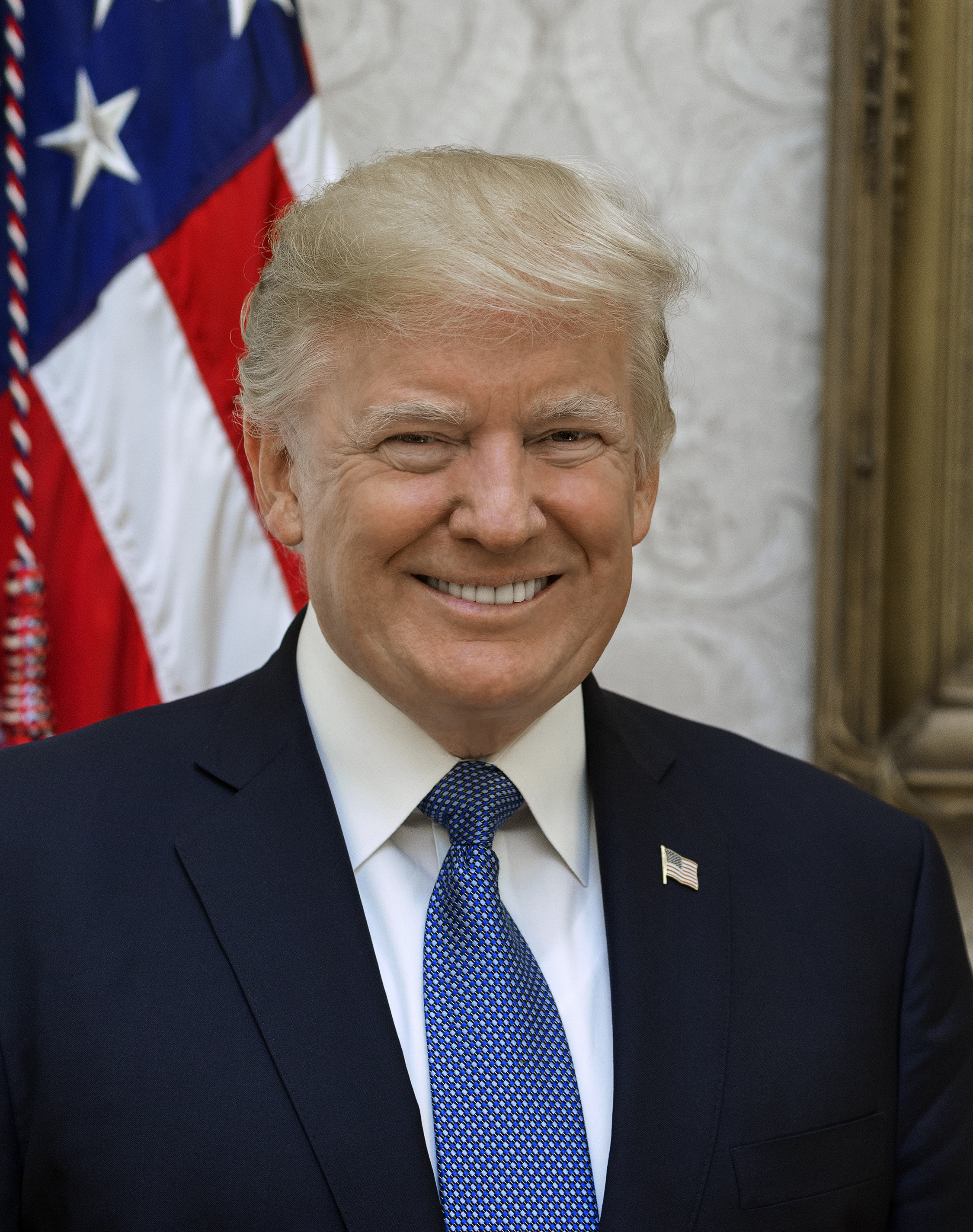
A confrontation between Donald Trump and Iraqi Prime Minister Ali al-Zaidi is spreading online in its most explosive possible form: Trump supposedly looked at the Iraqi leader and said, “You are a liar. You are a liar.”
That would be an extraordinary public reprimand. It is also not yet verified.
The White House has documented Trump’s meetings with al-Zaidi, including the Iraqi prime minister’s July visit to Washington. News reports also place al-Zaidi in New York during the United Nations General Assembly. But the official transcripts and credible contemporaneous reports reviewed for this article do not contain the alleged sentence.
The distinction matters. A cropped clip can remove the question being answered, misidentify the person addressed or add subtitles that do not match unclear audio. Lip-reading is particularly unreliable when the speaker is turned away, music is added or the recording has been compressed. Repetition in a caption is not evidence of repetition in the room.
There is nevertheless a plausible political reason audiences find the claim believable. Washington wants Baghdad to limit armed groups linked to Iran and protect American forces and commercial interests. Iraqi leaders must simultaneously manage parties, militias and economic networks with deep ties to Tehran. Al-Zaidi therefore faces pressure from two states that can impose serious costs on Iraq.
Reports have described a U.S. push for Baghdad to disarm or integrate militias and prevent Iraqi territory from being used for attacks. The Iraqi government argues that abrupt confrontation could destabilize the country and that sovereignty cannot mean carrying out Washington’s orders on demand. American officials may see delay as deception; Iraqi officials may see the same delay as survival politics.
That wider dispute should not be used to validate an unverified quotation. Political context can explain why a confrontation might occur, but it cannot prove particular words were spoken.
If authentic, the exchange would signal a serious breakdown in diplomatic confidence. Publicly branding a visiting prime minister a liar would weaken al-Zaidi at home, strengthen factions accusing him of subordination to Washington and complicate security negotiations. It might also be deliberate theater from Trump, who often uses personal pressure to force public commitments.
If the caption is false, it demonstrates a different form of power: social media can create a diplomatic incident before either government responds. Accounts that support Iran, oppose American influence or dislike Iraq’s government all have reasons to amplify the harshest interpretation.
The evidentiary test is straightforward. Publishers should demand the continuous recording, original sound, date, venue and an independent translation. They should also identify whom Trump was facing at the exact moment of the remark. Until those elements are available, “Trump called al-Zaidi a liar” is a claim—not a confirmed event.
Why the alleged exchange matters even before it is proven
The viral sentence arrived at a vulnerable moment for Iraqi sovereignty. Baghdad is trying to complete the transition away from a large foreign military presence while preventing its territory from becoming an arena for U.S.-Iran confrontation. That requires cooperation from armed factions that are not fully subordinate to the state.
Washington’s leverage includes sanctions, dollar access, military support and the Federal Reserve channel through which Iraq receives oil revenue. Tehran’s leverage includes political alliances, trade, electricity and relationships with armed groups. An Iraqi prime minister can appear evasive because he is balancing institutions that outsiders often treat as if he commands them directly.
This is why a genuine accusation of lying would be more serious than Trump’s normal combative rhetoric. It would suggest that private assurances on militia activity, financial transfers or regional attacks had failed a credibility test. Markets and Iraqi parties could interpret it as preparation for penalties.
The clip should also be checked for translation problems. Arabic-language captions may translate a nearby exchange, while English reposts can mistakenly attach the words to the person visible in frame. Automated subtitles are particularly unreliable in crowded rooms where several people speak.
Responsible publication does not require ignoring the claim. It requires describing the evidence level in the title, archiving the original material and updating the story if a full recording appears. The open question itself is newsworthy because millions may form an opinion of a government from ten seconds of edited video.
What to watch next
Will the White House, Baghdad or journalists who were in the room release a complete video or transcript? Does al-Zaidi’s government respond? The real U.S.-Iraq dispute over Iran-aligned groups deserves scrutiny. Turning an unverified caption into a quotation would make that scrutiny less credible, not more.