Boeing Wins the Navy’s F/A-XX
Boeing has secured a $20 billion development contract for the Navy’s sixth-generation carrier fighter, giving it both major US next-gen jet programs.
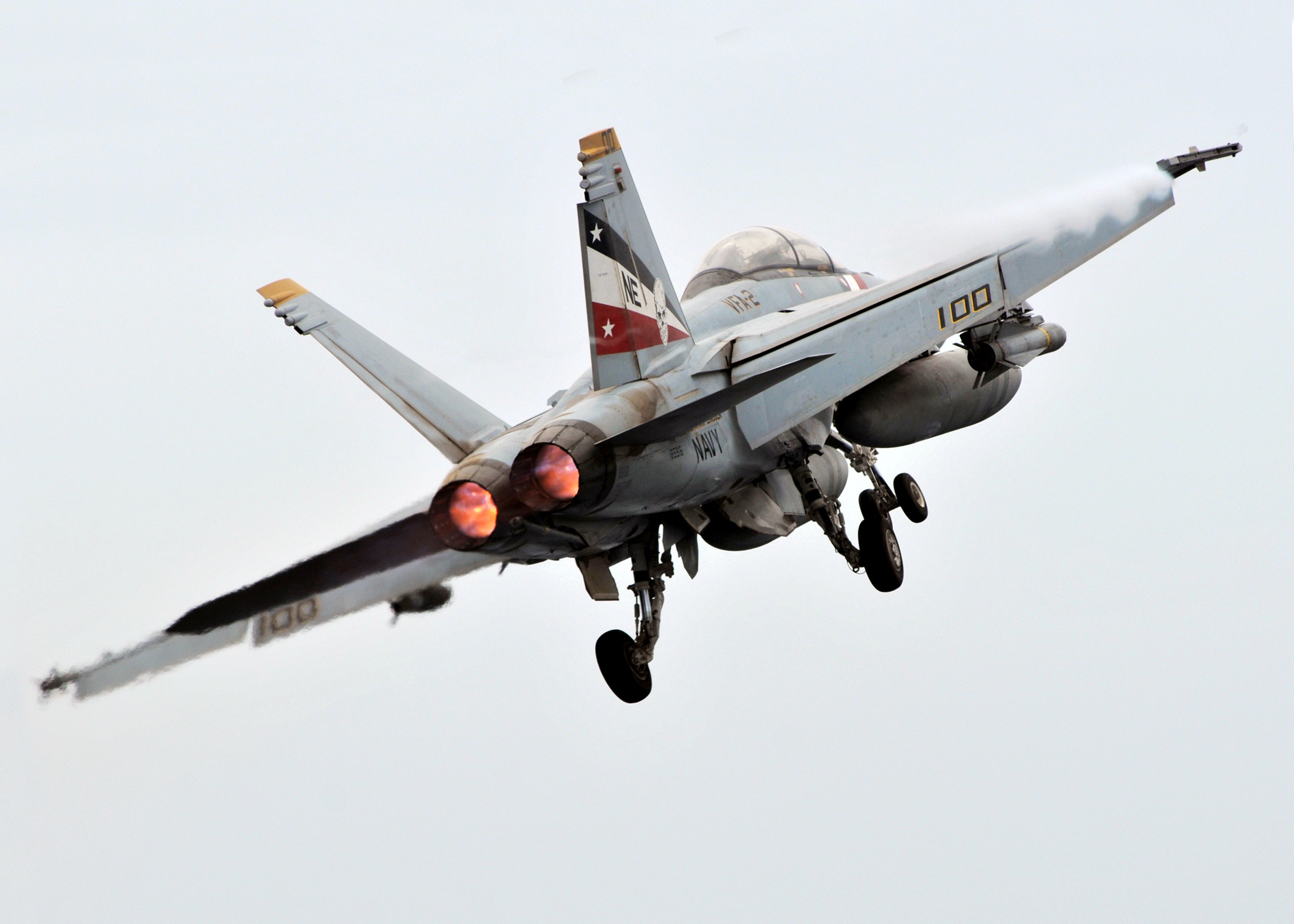
The U.S. Navy has selected Boeing to build its F/A-XX next-generation carrier fighter under a development contract valued at about $20 billion. The aircraft is intended to replace F/A-18E/F Super Hornets and EA-18G Growlers beginning in the 2030s while operating alongside carrier-based F-35s and a growing family of autonomous aircraft.
The award gives Boeing an extraordinary position in American combat aviation. It won the Air Force’s F-47 next-generation fighter program in 2025 and now holds the Navy’s equivalent development contract. Boeing defeated Northrop Grumman in the final F/A-XX competition after Lockheed Martin was eliminated earlier.
The $20 billion figure covers full-scale development and multiple test aircraft for ground, airworthiness, systems and weapons-integration work. It is not the final lifetime cost of the fleet. Production, maintenance, engines, weapons, upgrades and autonomous teammates could eventually make the total far larger.
The Navy emphasizes range. Modern anti-ship missiles force aircraft carriers to operate farther from defended coastlines, while the reach of the carrier air wing has declined relative to potential adversaries. F/A-XX is expected to extend strike distance, penetrate contested airspace and coordinate with collaborative combat aircraft carrying sensors or weapons.
Most detailed specifications remain classified. Officials and analysts discuss stealth, advanced networking, artificial intelligence, electronic warfare and control of drone formations, but the public should distinguish expected features from demonstrated performance. No operational F/A-XX has flown publicly, and artist renderings are not engineering evidence.
Replacing the Growler adds complexity. The EA-18G performs specialized electronic-attack missions that require power, sensors, software and trained crews. The future air wing may distribute those functions among the crewed fighter, drones and other platforms rather than create a direct one-for-one replacement. Program descriptions will evolve as technology and budgets change.
Boeing’s victory is also an industrial gamble. The company has suffered delays and cost problems on programs including the KC-46 tanker and MQ-25 carrier drone. Supporters say investments in St. Louis facilities and experience with naval aviation make it the right choice. Critics worry that awarding both sixth-generation fighter programs to one company concentrates schedule, workforce and supply-chain risk.
The Pentagon reportedly weighed production capacity heavily. Developing two advanced fighters simultaneously requires engineers, secure facilities, software talent and specialized suppliers. Boeing must prevent the F-47 and F/A-XX from competing for the same scarce resources. A failure in one program could affect confidence in the other.
For the Navy, delaying too long would leave an aging fleet facing more capable Chinese aircraft and missiles. Moving too quickly could lock in immature technology and unsustainable costs. The program must also fit aboard existing carriers, where size, weight, deck handling and maintenance impose constraints land-based fighters do not face.
The selection begins the hardest phase rather than ending the competition. Boeing must turn classified concepts into repeatable aircraft that survive carrier operations, integrate weapons and arrive before legacy fleets age out.
Strategic need will not protect the program from budget pressure. The Navy must also fund submarines, ships, missiles and readiness while supporting current operations. F/A-XX advocates will argue that carriers need a longer-range aircraft to remain relevant; skeptics may prefer more unmanned systems and standoff weapons. The final fleet mix will reveal whether the sixth-generation fighter becomes the center of the air wing or one expensive node in a distributed network.
This remains a developing story in which official statements, anonymous briefings and political messaging may diverge. Confirmed actions should be separated from announced intentions, and casualty, capability, timing and attribution claims should be revisited when primary documents or independent evidence emerge.
This remains a developing story in which official statements, anonymous briefings and political messaging may diverge. Confirmed actions should be separated from announced intentions, and casualty, capability, timing and attribution claims should be revisited when primary documents or independent evidence emerge.
This remains a developing story in which official statements, anonymous briefings and political messaging may diverge. Confirmed actions should be separated from announced intentions, and casualty, capability, timing and attribution claims should be revisited when primary documents or independent evidence emerge.
This remains a developing story in which official statements, anonymous briefings and political messaging may diverge. Confirmed actions should be separated from announced intentions, and casualty, capability, timing and attribution claims should be revisited when primary documents or independent evidence emerge.
What to watch next
Watch engine selection, first-flight milestones, congressional funding and progress on collaborative combat aircraft. Cost growth or workforce conflicts with the F-47 will be the earliest signs of execution risk.