China Finds a New Tick-Borne Virus in Hundreds of Patients—Should the World Be Worried?
Researchers identified Asian longhorned tick nairovirus in 10.4% of more than 3,100 tick-bitten patients. Illness was usually flu-like; the deadliest cases involved another virus too, and no sustained human transmission is established.
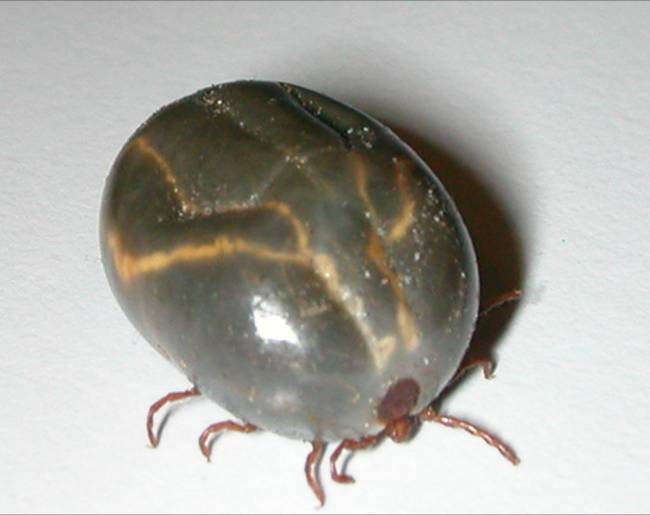
Scientists in China have identified a previously unknown tick-borne virus in hundreds of people who sought treatment after tick bites. The discovery is important for diagnosis and surveillance. It is not evidence that another human-to-human pandemic has begun.
The pathogen has been named Asian longhorned tick nairovirus, or ALTNV, and belongs to the broader orthonairovirus group. Researchers tested 3,163 tick-bitten patients and detected it in about 10.4%. Reported symptoms included fever or flu-like illness, fatigue, gastrointestinal problems, low platelet counts and signs of liver inflammation.
Those figures sound alarming until the study population is understood. The researchers did not sample 3,163 randomly selected Chinese residents. They examined people who had already sought medical attention after tick exposure, a group far more likely to carry a tick-borne infection than the general population. A 10.4% positivity rate therefore cannot be translated into prevalence across China or the world.
Seven patients in the study died, but reports indicate they were co-infected with Dabie bandavirus, another tick-borne pathogen associated with severe fever and thrombocytopenia syndrome. ALTNV alone was not linked in the report to severe bleeding or death. Co-infection may worsen illness, but determining which virus caused which outcome requires clinical and laboratory analysis.
There is also no established evidence of sustained person-to-person transmission. Tick-borne pathogens normally spread through bites, sometimes involving animal hosts that maintain the cycle. That pattern creates localized seasonal risk for farmers, forestry workers, hikers and people living in tick habitats. It is fundamentally different from a respiratory virus spreading efficiently through cities.
Discovery does not mean the virus suddenly appeared. Improved sequencing often reveals pathogens that circulated unnoticed because patients were diagnosed with generic viral fever or a better-known tick illness. Scientists may have found a new virus, a newly recognized old virus or a pathogen expanding with tick populations. Historical blood samples can help answer that question.
Climate and land use may alter risk by changing where ticks survive, when they are active and which animals they encounter. Travel and trade can also move ticks. Those factors justify surveillance without supporting claims that the virus was engineered or deliberately released. A genetic sequence, ecological pattern and epidemiological chain—not suspicion alone—would be needed for such an allegation.
Clinicians need practical guidance. Antibiotics do not treat viruses, though they may be used if bacterial tick diseases are also suspected. Care is generally supportive: monitoring hydration, liver function, platelets and warning signs. Diagnostic tests can prevent patients from receiving unnecessary treatment and help hospitals identify dangerous co-infections early.
For the public, prevention remains familiar. Wear long clothing in brush or tall grass, use appropriate repellent, check skin and pets after outdoor activity, and remove attached ticks promptly with fine-tipped tweezers. People who develop fever, unusual bruising, severe fatigue or gastrointestinal symptoms after a bite should seek care and mention the exposure.
Researchers must now map the virus in ticks, animals and humans; determine geographic range; establish incubation time; and test whether household or healthcare transmission occurs. Sequencing from multiple regions will show how diverse the virus is and whether cases cluster around a single ecological source.
Public communication matters. Understatement can delay surveillance, while sensational “new deadly virus” headlines can create panic unsupported by the study. The responsible conclusion is narrower: doctors in affected regions have another pathogen to consider, and scientists have a significant new object of investigation.
The study also shows why global surveillance should not punish transparency. Governments may hesitate to report unfamiliar pathogens if discovery immediately produces travel bans or accusations. Rapid publication lets laboratories elsewhere design tests and search archived samples. China should share sequences, methods and anonymized clinical data, while outside researchers evaluate them critically without assuming concealment or accepting every conclusion untested. Trust is built through reproducibility, not political slogans.
Health agencies should also explain absolute risk. Millions of people can live in regions containing infected ticks while relatively few are bitten and fewer develop serious disease. Risk rises with occupation, season, habitat and access to prompt care. That means targeted warnings may protect people better than national alarm. Veterinarians and wildlife researchers are important because changes in animal infections can reveal expansion before hospitals see severe human cases.
What to watch next
Watch peer-reviewed follow-up data on ALTNV-only outcomes, animal reservoirs, geographic spread and any confirmed human-to-human cases. Do retrospective samples show years of unnoticed circulation? Are severe cases caused by ALTNV, co-infection or underlying illness? The discovery deserves attention—but will broader evidence reveal a serious expanding threat, or a manageable tick-borne disease that modern sequencing has finally made visible?