Erdogan Says Israel Sees Peace as a Threat
Turkey’s president says Israel treats regional peace as a danger, intensifying a confrontation driven by Gaza, Syria, Lebanon and Iran.
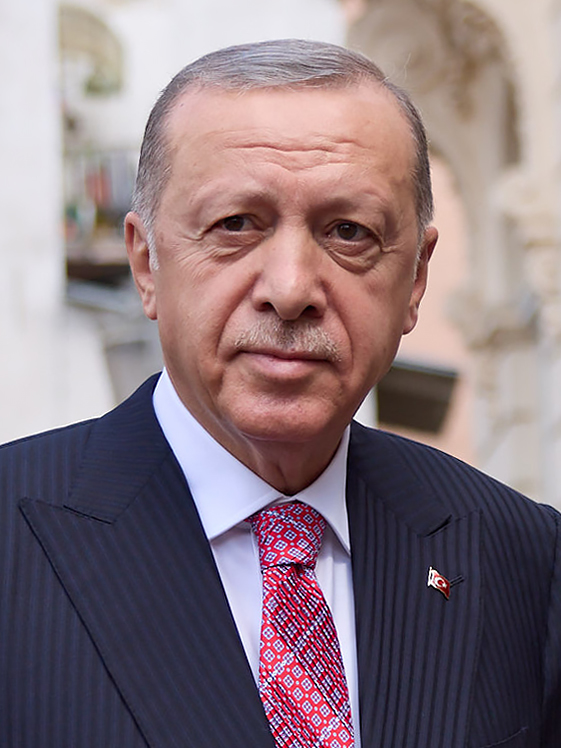
Turkish President Recep Tayyip Erdogan says Israel views peace and security in the Middle East—particularly among its neighbors—as a direct threat. The statement is a sweeping accusation about Israeli motives, but it reflects the collapse of relations between two countries that once maintained close military and commercial ties.
Erdogan has repeatedly described Israel as the greatest obstacle to regional peace, condemning its operations in Gaza, Lebanon, Syria and Iran. Turkey halted trade, supported international legal action and strengthened political ties with Palestinian actors.
Israel rejects Ankara’s framing. Israeli officials accuse Erdogan’s government of supporting Hamas, using inflammatory language and ignoring security threats from Iran, Hezbollah and armed Palestinian groups. They argue that military operations are responses to attacks rather than opposition to peace itself.
The phrase “Israel sees peace as a threat” is rhetoric, not a measurable intelligence finding. It suggests that Israeli leaders benefit politically or strategically from permanent instability and therefore sabotage settlement. Proving such a claim requires evidence about decisions, not simply the continuation of war.
There is nevertheless a serious policy question beneath the rhetoric. Israel has used military force across several neighboring territories and resisted diplomatic arrangements it believes would constrain operational freedom. Critics say this security doctrine creates new enemies faster than it removes threats.
Supporters of Israel answer that ceasefires without disarmament allow hostile groups to rebuild. From that perspective, a regional “peace” that leaves missiles, tunnels and Iranian networks intact is temporary vulnerability rather than security.
Turkey’s position also contains contradictions. Ankara presents itself as a defender of sovereignty while conducting military operations in Syria and Iraq against Kurdish groups it classifies as terrorists. Israel points to those actions when rejecting Turkish moral criticism.
Erdogan’s language serves domestic politics. Support for Palestinians is popular across much of Turkish society, and confrontation with Israel reinforces his image as a regional leader independent of Washington. Economic pressure and nationalist competition also make external conflict politically useful.
Turkey still has leverage that rhetoric alone can destroy. It is a NATO member, controls important transport routes, maintains influence in Syria and can communicate with actors that Western governments avoid. That makes Ankara a possible mediator if it preserves working channels.
The Israel-Turkey relationship has survived previous crises, including the 2010 Mavi Marmara raid. Diplomatic normalization repeatedly returned because trade, tourism, intelligence and energy interests favored cooperation. The current regional war is deeper and has made reconciliation harder.
Peace also means different things to the parties. Turkey emphasizes Palestinian statehood, an end to occupation and regional sovereignty. Israel emphasizes recognition, disarmament and guarantees against attack. Without a framework combining political rights and enforceable security, both sides can accuse the other of rejecting peace.
Erdogan’s formulation risks closing debate by treating every Israeli security claim as bad faith. Israeli leaders make the same mistake when they dismiss all Turkish criticism as support for terrorism. Absolutist descriptions mobilize audiences but rarely identify workable compromises.
The most useful test is behavior. Does Israel accept credible diplomatic off-ramps, limit territorial ambitions and protect civilians? Does Turkey pressure armed allies, support enforceable agreements and apply sovereignty principles consistently? Those choices reveal more than speeches.
Israel’s domestic debate is not monolithic. Security officials, opposition leaders, hostage families, settlers, peace activists and governing parties disagree sharply over ceasefires and territorial policy. Describing “Israel” as a single mind can obscure those conflicts and inadvertently strengthen the hardest line. Turkey also contains competing views about trade, NATO obligations and relations with Palestinians. Diplomatic progress often begins by identifying institutions and constituencies capable of accepting a deal, not by assigning permanent motives to entire nations.
Economic ties remain a potential brake. Turkish and Israeli businesses previously traded heavily even during political disputes, and energy routes in the eastern Mediterranean could still reward cooperation. Those interests cannot override Gaza or security policy, but they provide constituencies for de-escalation. Quiet intelligence contacts may also survive public hostility. Governments often preserve channels they deny for domestic reasons, making abrupt diplomatic breakthroughs possible even after extreme rhetoric.
What to watch next
Watch Turkish trade enforcement, mediation proposals, Israeli responses and military activity in Syria and Lebanon. The relationship will remain rhetorical warfare unless either government converts criticism into a specific, reciprocal peace proposal.