France Sends Soldiers to Guard Saudi Oil
Paris has begun deploying defensive military assets around Yanbu as Houthi attacks threaten Saudi energy infrastructure and Red Sea exports.
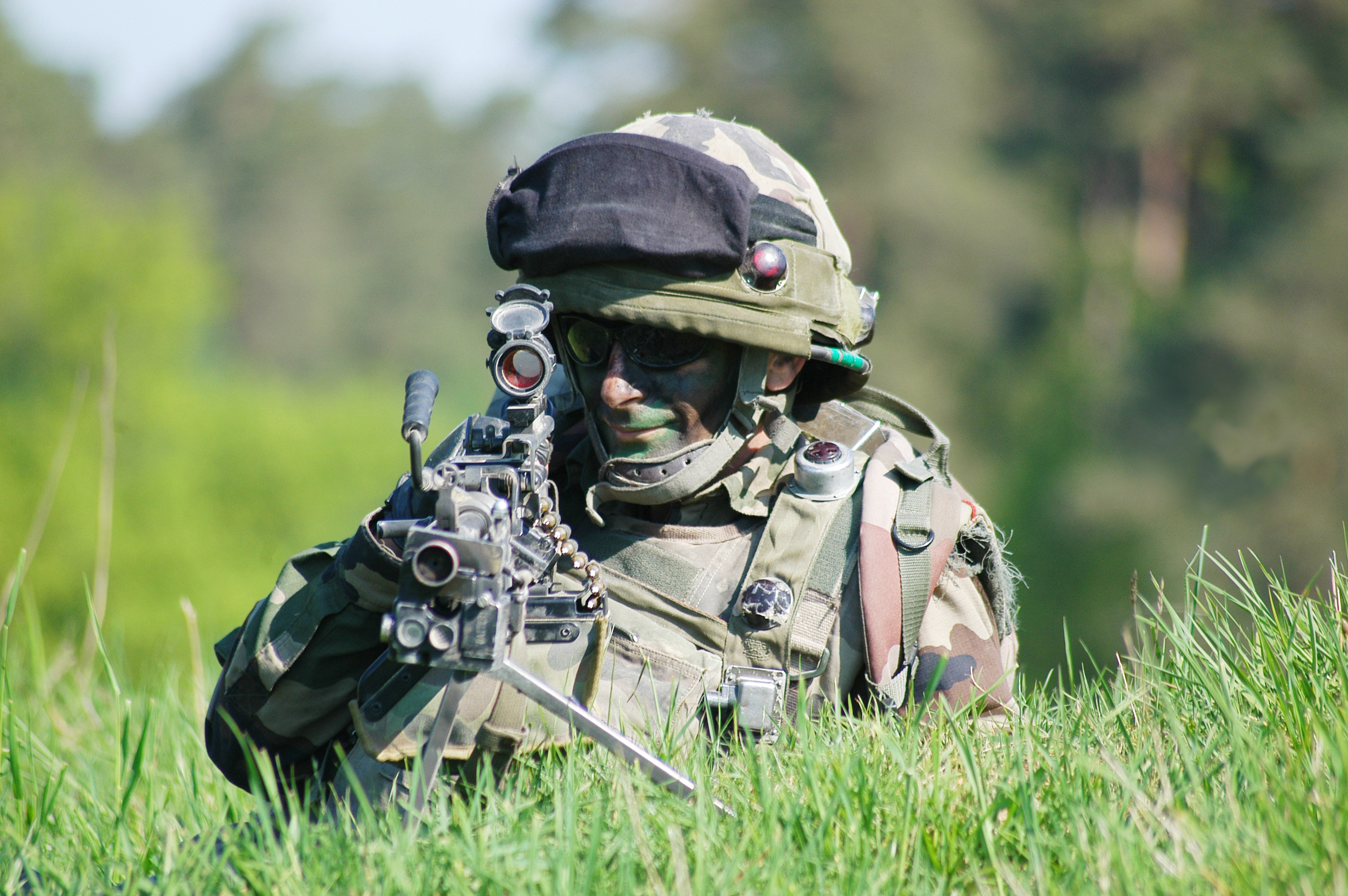
France has moved from promises to deployment in Saudi Arabia, sending military personnel and defensive assets to help protect oil infrastructure. The focus is Yanbu, the Red Sea terminal that anchors Saudi Arabia’s alternative export route when the Strait of Hormuz becomes unsafe.
What happened
The French Foreign Ministry said operational elements of an agreement were being implemented. Earlier reporting described soldiers, radar and defensive systems, but officials have not released a full inventory. France has also used a warship to protect commercial traffic near Bab al-Mandab.
Yanbu is the western endpoint of the East-West pipeline. Houthi strikes have targeted Saudi airports, oil facilities and transport nodes, increasing the risk to French shipping and the global diesel market.
Why it matters
France and Saudi Arabia have long maintained defense ties, but a visible foreign deployment makes the relationship politically harder to ignore. Paris describes the mission as defensive protection of strategic infrastructure rather than participation in Saudi strikes on Yemen.
That distinction can erode if French radars provide targeting data, interceptors engage launch platforms or personnel become casualties. Mission design and rules of engagement therefore matter.
The deployment acknowledges that attacks on Saudi energy are no longer a purely Saudi problem. France depends on open sea lanes, and French companies operate ships throughout the region. Protecting Yanbu can be framed as energy security for Europe.
It also risks entanglement. Houthis may treat foreign military assets as combatants, while critics will ask why European forces defend oil installations but not Yemeni civilians. France needs a clear exit condition and parallel support for diplomacy.
How to read the signal
The essential discipline in reading “France Sends Soldiers to Guard Saudi Oil” is to separate the documented event from the larger story attached to it. A launch, deployment, court appearance, economic announcement or military image can be genuine while its cause, scale and strategic meaning remain disputed. Early certainty is often a warning sign rather than proof.
Incentives matter. Governments seek deterrence, reassurance and political advantage. Armed groups advertise reach while minimizing responsibility. Companies emphasize spectacle or commercial progress. Critics select the details that support a wider argument. The clearest account compares official statements with independent reporting, technical evidence and observable implementation.
Timing creates another source of error. Initial reports may contain incomplete casualty totals, confused locations or claims made before investigators reach the scene. Later imagery can identify a building, revise a number or show that old footage has been recycled. Responsible reporting remains updateable rather than freezing the first viral version into history.
The practical test is what happens next. Production schedules, trade flows, satellite images, court filings, flight notices, military movements and market prices reveal whether a headline marks a lasting change. Rhetoric can move public opinion immediately, but measurable conduct determines who gained leverage and who absorbed the cost.
A cautious conclusion is not an evasive one. It identifies what the evidence establishes, what remains an allegation and what would settle the dispute. That method allows serious risks to be discussed without converting a politically useful or visually dramatic claim into fact.
Readers should also resist false binaries. An official account can contain accurate facts and strategic omissions; a critic can identify a genuine problem while exaggerating its scale. Confidence should rise when independent evidence converges and fall when a claim depends on one anonymous source, cropped clip or unexplained image.
Verification and competing accounts
France’s Foreign Ministry confirmed implementation of operational elements. Paris has not published a complete asset list, mission duration or rules of engagement, and reports should not assume that a specific SAMP/T system is present without confirmation. Sources used for this report include French Foreign Ministry, Le Monde, Reuters, Arab News, French defense reporting. Claims from belligerents, anonymous officials and viral posts are attributed rather than converted into established fact. Figures and operational details may change as authorities release evidence or corrections.
“France deploys troops” does not necessarily mean a large combat formation. Technical crews, radar operators and liaison officers may constitute much of the presence. No public evidence shows French forces conducting offensive attacks in Yemen.
What to watch next
Watch official asset identification, interception reports and whether Houthis name French positions as targets. A widening mission beyond Yanbu would signal movement from point defense toward direct participation in the war.