Saudi Arabia Burns—and Filming It Could Get You Arrested
A Houthi missile hit an Aramco office complex as Saudi authorities warned residents against recording or sharing strike footage.
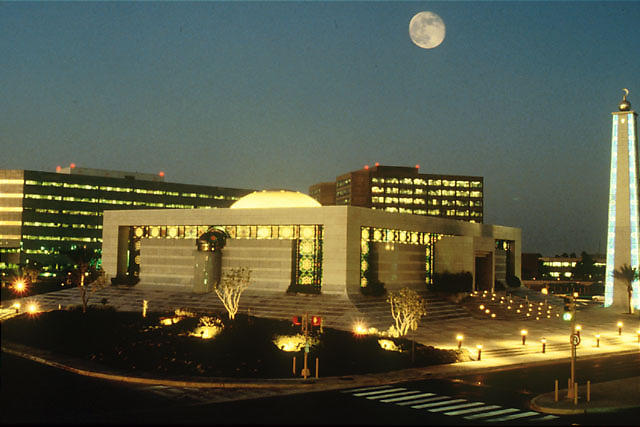
A Houthi missile has struck an administrative building belonging to Saudi Aramco in Dhahran, starting what Riyadh described as a limited fire. The physical damage may be contained, but the information response is expanding: Saudi Civil Defense warned residents in seven languages that filming or sharing missile and drone impacts could bring legal action.
What happened
Saudi officials said the strike hit an office complex rather than a core production unit and reported no immediate major disruption to output. The Houthis claimed a broader campaign against Saudi energy and aviation targets. Independent assessment of the precise weapon and damage remained limited.
The Civil Defense infographic appeared in Arabic, English, Bengali, Filipino, Hindi, Indonesian and Urdu, reflecting the kingdom’s large expatriate workforce. It warned against recording, publishing or circulating material showing impacts and interceptions.
Why it matters
Governments often restrict wartime imagery because geolocated footage can reveal air-defense positions, damage, unsuccessful interceptions and targeting corrections. The same restrictions can suppress evidence of civilian harm, infrastructure failure or inaccurate official statements.
Saudi Arabia’s energy system depends not only on wells and refineries but also offices, control functions, pipelines and logistics. An administrative hit may have more symbolic than operational impact, yet repeated penetration of defended airspace affects confidence.
The multilingual warning indicates that Riyadh sees ordinary phones as part of the battlefield. It may reduce real-time intelligence available to attackers, but broad enforcement risks criminalizing residents documenting events that affect their safety. Clear rules should distinguish live tactical disclosure from later journalism or evidence preservation.
For the Houthis, images of fire are strategic products. A small blaze can be presented as paralysis; Saudi silence can then be framed as proof of hidden devastation. Transparent, timely damage reporting is the best answer to that propaganda cycle.
How to read the signal
The essential discipline in reading “Saudi Arabia Burns—and Filming It Could Get You Arrested” is to separate the event from the story built around it. A missile launch, economic statistic, arrest, diplomatic statement or protest may be documented while its cause, scale or strategic meaning remains contested. Strong analysis preserves that boundary instead of rewarding the fastest viral interpretation.
Every actor has incentives. Governments seek deterrence, public reassurance and political advantage. Armed groups advertise reach while minimizing responsibility. Opposition figures emphasize institutional failure, and social-media accounts compress uncertainty into a slogan. The clearest picture comes from comparing official statements with independent reporting, documents, technical evidence and observable implementation.
Timing matters as well. Initial reports frequently contain incomplete casualty totals, confused locations or claims made before investigators reach a scene. Later evidence can revise a figure, identify a weapon or show that two alerts described one event. A responsible account remains updateable rather than treating the first post as settled history.
The practical test is what happens next. Trade flows, flight schedules, repair activity, sanctions records, military deployments, court filings and market prices reveal whether a headline represents a durable change. Rhetoric can move opinion immediately, but measurable conduct determines who gained leverage and who absorbed the cost.
A cautious conclusion is not an evasive one. It states what the evidence establishes, labels what is alleged and identifies what would resolve the uncertainty. That approach allows serious risks to be discussed without amplifying a dramatic claim simply because it is politically useful or easy to share.
Verification and competing accounts
Saudi Arabia’s Energy Ministry confirmed a missile hit an Aramco administrative building and caused a limited fire. The multilingual Civil Defense warning is authentic, but exact penalties depend on Saudi law and the circumstances of publication. Sources used for this report include Saudi Energy Ministry, Saudi Civil Defense, Financial Times, Reuters, Houthi military statements. Claims from belligerents, anonymous officials and viral posts are attributed rather than converted into established fact. Figures and operational details may change as authorities release evidence or corrections.
A fire does not establish that the world’s largest oil company suffered meaningful production loss. Conversely, “limited” is an official characterization that should be tested against imagery and operating data. People inside Saudi Arabia should follow local law and avoid sharing information that could endanger responders.
What to watch next
Watch Aramco production guidance, satellite heat detections, repairs and any prosecutions under the warning. Evidence that administrative systems or nearby processing were affected would change the economic assessment.