Frexit Energy Manifesto Goes Viral: Would Leaving Ursula von der Leyen’s EU Really Bring Back Cheap Power?
A French sovereignty argument is going viral: leave the EU, end Russia sanctions, restore EDF-GDF, buy cheap energy, and rebuild nuclear power. It sounds simple. The reality is anything but.
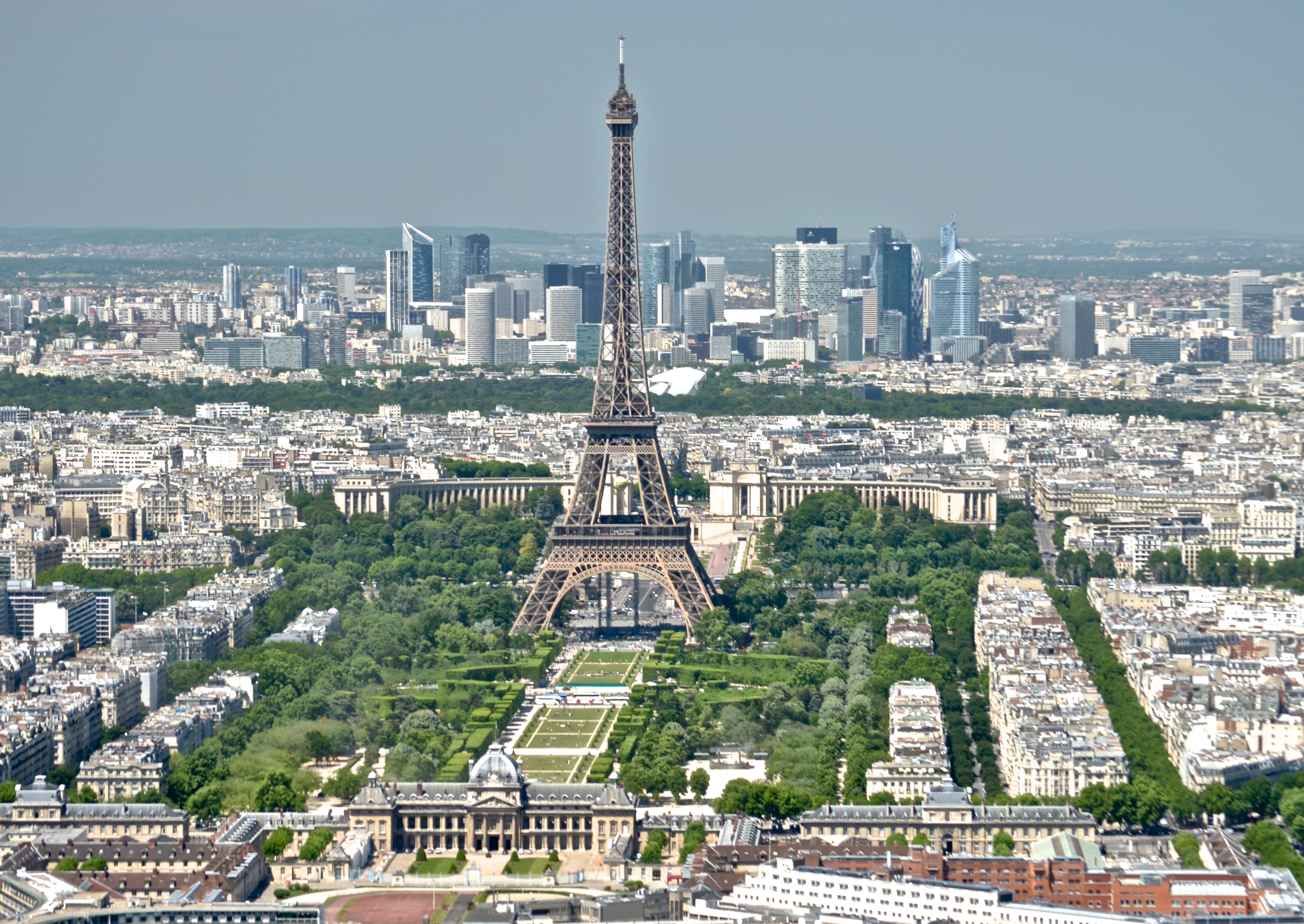
A new sovereignty argument is spreading through French political media: leave the European Union, recover national independence, lift sanctions on Russia, buy cheap Russian oil and gas again, exit the European electricity market, restore a national EDF-GDF monopoly, invest freely in nuclear power and dams, and stop building wind turbines.
It is the kind of message designed for a country exhausted by electricity bills, bureaucracy and war. It is also a sign of how deeply the European energy debate has changed since the Ukraine war, the Middle East conflict, and the broader sanctions regime against Russia.
The appeal is obvious. France built one of the world’s great nuclear systems. For decades, it could claim a degree of energy sovereignty that Germany, Italy and much of Europe lacked. But the European electricity market changed how prices are formed. Even countries with nuclear-heavy systems can see prices influenced by gas markets, cross-border mechanisms and EU-level rules. To critics of Brussels, this is absurd: why should French consumers pay prices shaped by European market design when France already invested in nuclear independence?
Then comes Russia. Before the Ukraine war, cheap Russian energy was central to Europe’s industrial model. After sanctions and pipeline disruption, European governments argued that strategic security required ending dependence on Moscow. Critics now argue the opposite: that sanctions damaged European industry more than Russia, forcing households and factories to pay the price for a geopolitical strategy they never voted for.
The viral manifesto reduces all this to one promise: leave the EU, and everything becomes cheaper. But that is where the analysis must slow down.
Leaving the EU would not automatically restore cheap energy. Contracts, infrastructure, legal disputes, market access, currency stability, industrial policy, and investor confidence would all matter. Russia might sell cheaper energy to France — but would France want to depend again on a power it officially condemns? Would the United States retaliate? Would Brussels impose barriers? Would French industry benefit from cheaper energy while losing access to European supply chains? Would nuclear investment accelerate outside EU rules, or become more expensive due to political uncertainty?
Supporters of the sovereignty line argue that those risks are worth taking because the current model has already failed. They say Europe is becoming a zone of expensive energy, weak borders, overregulation and military dependency. In their view, the EU is not protecting sovereignty; it is dissolving it.
Opponents answer that the proposal is fantasy economics. France cannot simply exit a complex continental market and expect lower prices the next day. It also cannot ignore climate obligations, grid integration, industrial standards and diplomatic consequences. For them, the real solution is EU reform, not exit.
The deeper question is whether energy policy has become the new language of sovereignty. In the 1990s and 2000s, Europe sold integration as peace and prosperity. Today, millions of citizens judge politics through electricity bills, fuel prices, factory closures and military escalation. That changes everything.
Frexit remains a difficult, disruptive and uncertain path. But the fact that energy arguments for leaving the EU are becoming mainstream enough to go viral should alarm Brussels. It means the EU’s legitimacy is no longer being debated only in constitutional language. It is being debated at the power socket.
If Europe cannot offer affordable energy, strategic independence and democratic accountability, the sovereignty movements will not disappear. They will become more technical, more economic, and more persuasive.