Iceland Says No to EU Talks: A Win for Trump, a Blow to Brussels—or Something More Complicated?
Icelanders rejected reopening EU accession talks by 52.8% to 47.2%. Sovereignty and fisheries drove the No vote, while Trump’s Greenland pressure cut in both political directions.
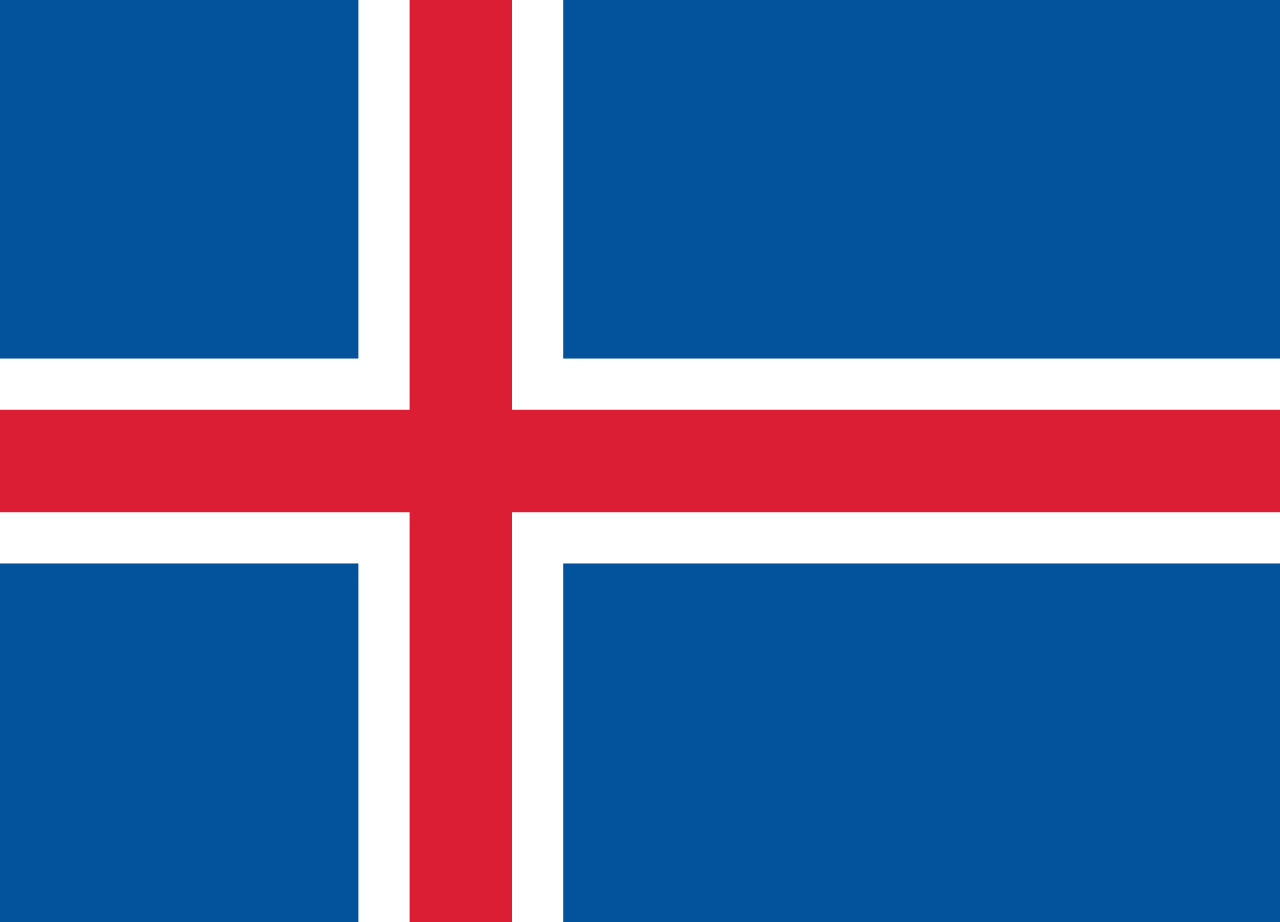
Iceland has rejected a return to European Union accession negotiations, but the narrow result does not translate cleanly into “Trump wins, Brussels loses.” The official count was 52.8% No and 47.2% Yes, with turnout of roughly 82.5%—a decisive democratic answer from a closely divided country.
The question was limited. Icelanders were asked whether negotiations should resume, not whether Iceland should immediately join the EU. A Yes vote would have opened talks, after which any membership agreement would still require another national decision. The No result stops that process under the current government.
Fisheries were central. Iceland’s fishing grounds are an economic resource and part of national identity. Opponents feared the EU’s Common Fisheries Policy would dilute Icelandic control over quotas and access. Supporters argued that negotiating did not equal surrender and that Iceland could test what protections Brussels would offer.
Currency and cost-of-living concerns pushed the other way. Yes campaigners said membership and eventual euro adoption could reduce exchange-rate volatility, borrowing costs and inflation. No campaigners valued the flexibility of the krona and doubted that sharing monetary policy would suit a small economy exposed to fishing, tourism and volcanic shocks.
Iceland already has an unusually close relationship with Europe. Through the European Economic Area it participates in much of the single market, and it belongs to the Schengen travel zone. It accepts many EU rules without voting on them. Supporters call that the worst democratic arrangement; opponents call it access without surrendering the most sensitive powers.
Where does Donald Trump fit? His threats and pressure concerning neighboring Greenland changed the security mood across the North Atlantic. Some Icelanders saw stronger EU integration as protection against an unpredictable United States. Far from helping the No side uniformly, Trump’s posture gave the Yes campaign an argument about strategic shelter.
Yet the outcome can still benefit Washington. An Iceland outside the EU may be easier for the United States to engage bilaterally on defense, basing, Arctic infrastructure and trade. Iceland is a NATO member with a U.S. defense relationship and no standing army. Washington can interpret the result as proof that Atlantic security does not require EU political integration.
Brussels undoubtedly suffered a setback. Iceland was a wealthy, democratic candidate capable of moving faster than many enlargement applicants. Its membership would have strengthened the EU’s Arctic position at a time of competition with Russia, China and the United States. But the EU retains extensive practical ties with Reykjavík regardless of membership.
Eurosceptics such as Nigel Farage and Marine Le Pen celebrated the vote as a victory for sovereignty. That framing captures the fisheries issue but risks treating every No voter as anti-European. Many Icelanders support cooperation, NATO, Schengen and the single market while opposing EU institutions. Political identity is not binary.
Prime Minister Kristrún Frostadóttir, who supported reopening talks, said the result would be respected. The geographic split matters: central Reykjavík leaned Yes while rural and fishing communities leaned No. Any future campaign must address the perception that integration benefits urban professionals while exposing resource-dependent regions.
The vote is therefore bad for EU enlargement momentum, potentially useful to U.S. bilateral leverage and not necessarily an endorsement of Trump. Voters made a decision grounded mainly in Icelandic interests. Assigning their choice to a foreign leader repeats the very loss of agency that sovereignty campaigns oppose.
The result does not freeze Iceland forever. Economic crises, fisheries concessions, a change in U.S. behavior or a new generation of voters could reopen the question. Conversely, a successful period outside the EU may strengthen the No coalition and turn the referendum into a durable settlement.
Brussels can respond by showing that partnership is not punishment. If Iceland retains market access and practical Arctic cooperation, voters may view the EU as flexible. If relations become coercive, Eurosceptics will say the rejection proved why formal membership was dangerous.
The krona will provide a measurable verdict. If inflation and borrowing costs stay high, euro membership will remain attractive despite the vote. If Iceland preserves growth and currency flexibility, No campaigners will argue that sovereignty delivered tangible value rather than symbolism.
What to watch next
Watch whether Iceland formally withdraws or simply freezes its old application, how Brussels responds on fisheries and whether Washington seeks new Arctic agreements. If Trump intensifies pressure around Greenland, will the security argument for Europe grow? Or has Iceland found a durable middle position—economically European, militarily Atlantic and politically outside the Union?