Iran Says It Hit Patriot Systems in Kuwait—But What Damage Has Been Confirmed?
Iran’s army says drones targeted Patriot batteries and launch platforms at Ali Al Salem Air Base. Kuwait reported intercepting drones, but the claimed damage has not been independently confirmed.
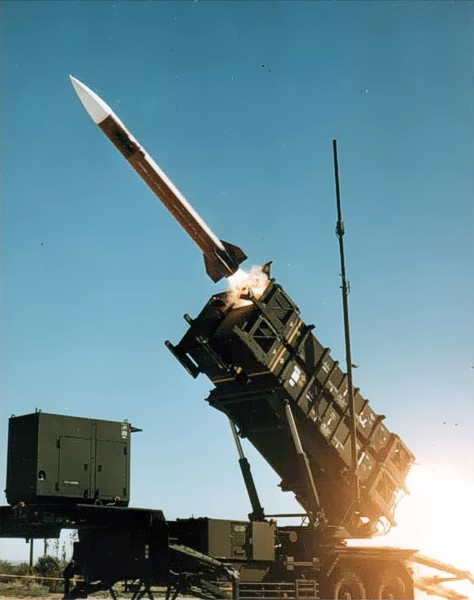
Iran’s army says its drones targeted U.S. Patriot air-defence systems and drone and missile launch platforms at Ali Al Salem Air Base in Kuwait. The claim marks a renewed escalation around facilities used by U.S. forces in the Gulf. Kuwait’s military said it intercepted drone attacks, but did not confirm that Patriot batteries or other equipment were struck or damaged. At the time of reporting, the target and impact details remained unverified independently.
Ali Al Salem is an important U.S.-linked logistics and air operations hub. Any attack there carries a risk of drawing Kuwait more directly into the conflict, even if the intended target is American equipment. Iranian state media described the action as retaliation for U.S. attacks and surveillance. Kuwait condemned the attacks and said they threatened the country’s security. That difference in framing—retaliation versus violation of sovereignty—is central to the diplomatic dispute.
The claim needs to be separated into several parts: whether drones were launched, whether they reached the base, whether they targeted Patriot systems, and whether any equipment was damaged. Iran’s statement supports the first part as its account of the operation. Kuwait’s interception announcement is evidence that it faced drone threats, but not that the specific targets were hit. Photographs, satellite imagery or an official damage assessment would help clarify the outcome.
The stakes extend beyond the air base. Patriot systems protect against aircraft and missiles, and their reported targeting may be intended to show that U.S. defenses are vulnerable or to signal that Iran can impose costs on countries hosting U.S. forces. Yet a failed attack can also prompt further deployments, harden Gulf governments’ positions and increase pressure on Washington to retaliate. The United States says it is defending personnel and assets; Iran says it is responding to American strikes. Each action becomes the justification for the next.
There is a broader question for Kuwait: how can it host U.S. forces while preventing its territory from becoming a battlefield? Gulf governments have urged restraint and pursued mediation, but they also face public pressure to defend their sovereignty. If attacks continue, even intercepted drones can disrupt operations and raise insurance and security costs.
What is confirmed and what is still a claim?
The public record confirms that Iran claimed it targeted the base and that Kuwait reported intercepting drones. It does not establish that Patriot units were hit or disabled. The absence of published damage evidence does not prove no damage occurred, but it limits what can responsibly be stated. The article should not say that Iran “destroyed” U.S. air defences unless independent confirmation emerges.
Will Kuwait release imagery or a damage assessment? Has the U.S. acknowledged any impact to equipment? And will Tehran provide evidence of a successful strike? Until then, the most accurate headline is an Iranian claim of a targeted attack, with interception reported by Kuwait and damage unconfirmed.
Kuwait’s public response may be deliberately limited. Sharing precise information about air-defence locations or damage could reveal vulnerabilities, and officials may need time to assess debris and radar data. But a lack of detail can also allow the Iranian account to dominate online discussion. For civilians, the practical questions are whether alerts remain active, whether airspace or roads are affected, and whether authorities report any debris impacts. A strike on U.S. equipment located at a Kuwaiti facility would have strategic implications even if no Kuwaiti personnel were harmed. Kuwait has generally tried to avoid being treated as a combatant, and its response may seek to defend its territory while limiting escalation. The coming official readouts will matter more than reposted strike videos.
The location also shapes how Kuwait might respond. Ali Al Salem is a joint-use base where Kuwaiti sovereignty and U.S. military operations intersect. Kuwait may seek a public explanation from Tehran while coordinating quietly with Washington on defence. Any retaliatory action by the U.S. could further complicate Kuwait’s position. Regional leaders are therefore weighing not only whether an attack succeeded, but whether the next step can be contained.