Is the Financial System Starting to Crack — or Is '2026 Is Worse Than 2008' Moving Faster Than the Data?
JPMorgan markdowns. Morgan Stanley redemption limits. Cliffwater stress. Fitch default records. Add war-driven oil risk and the internet is screaming systemic crisis. Is that analysis — or panic with bullet points?
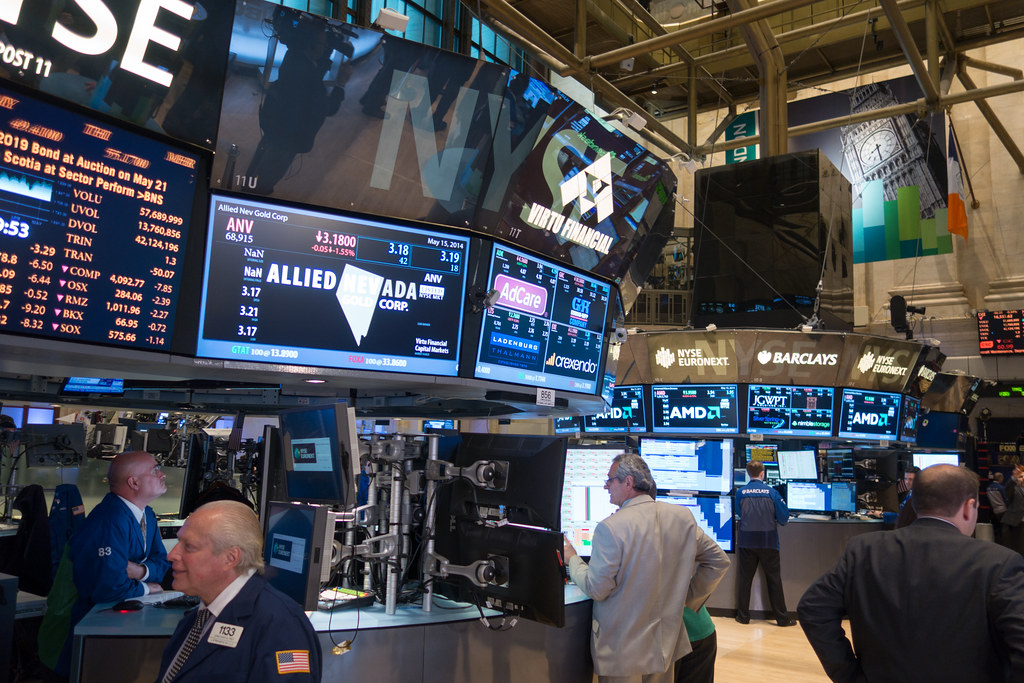
The internet loves a countdown. Ten steps to collapse. Five signs the system is breaking. One final warning before nobody can get out. That format is emotionally powerful because it converts scattered market stress into a single cinematic narrative. The private-credit panic now circulating online follows that formula exactly: JPMorgan marks down loans, Morgan Stanley restricts withdrawals, Cliffwater sees redemption pressure, Fitch reports record defaults, Partners Group warns defaults could double, oil tankers burn in Hormuz, and suddenly the conclusion arrives in giant letters — the financial system is cracking right now.
That thesis is not absurd. It is also not fully proven.
Start with what is documented. Reuters reported that JPMorgan marked down some loans to private-credit funds after reassessing the impact of turmoil around software companies. Reuters also reported that Morgan Stanley restricted redemptions at its North Haven Private Income Fund after investors sought to withdraw nearly 11% of outstanding shares. Reuters separately reported that investors in Cliffwater’s flagship private-credit fund sought to redeem about 14% of shares in the first quarter, leading the firm to cap repurchases. Fitch said private-credit defaults hit a record 9.2% in 2025. Reuters also reported that Partners Group’s chair warned default rates in private credit could double over the next few years.
That is a real cluster of stress. It is not imaginary. It tells us that a roughly two-trillion-dollar market that grew rapidly in the low-rate era is now facing a different environment: higher rates, investor unease, valuation disputes, software exposure, AI disruption fears, and liquidity mismatches in semi-liquid funds. In other words, the market is no longer selling only yield. It is beginning to sell uncertainty.
But uncertainty is not the same as systemic collapse.
One of the biggest mistakes in financial commentary is treating every sign of strain as immediate evidence of a 2008-style event. The structure matters. In 2008, the core banking system and housing collateral were at the center of the crisis. Today’s private-credit stress sits partly outside traditional banks, often in vehicles that promise periodic liquidity against relatively illiquid loan portfolios. That can still be dangerous. But the transmission channels are different. A fund restricting redemptions is a stress signal; it is not automatically a Lehman moment.
Where the alarmists become more interesting is when they connect the credit story to the war story. That linkage is not crazy either. War-driven oil spikes tighten financial conditions, worsen inflation expectations, damage borrower cash flows and make central banks less flexible. Reuters has already reported renewed oil surges as attacks on Gulf shipping intensify. When energy shock hits at the same moment as credit-quality anxiety, the macro environment gets harsher very quickly. Companies already financed at floating rates do not need a total market collapse to get into trouble. They only need rates to stay high and refinancing to become more selective.
This is why the private-credit story matters beyond Wall Street jargon. Many of the borrowers in this market are not giant listed blue chips. They are middle-market firms, software businesses, roll-up plays, service companies and highly leveraged borrowers that were financed on the assumption that capital would remain available. If lenders get more cautious and investors demand more liquidity than the structure can comfortably provide, the stress does not stay in credit memos. It reaches payrolls, hiring plans, acquisitions and eventually defaults.
Still, the leap from ‘stress’ to ‘nobody is telling you how ruined the system is’ deserves skepticism. Markets are telling people. Reuters is reporting it. Investors are reacting to it. The question is not whether nobody sees it. The question is how large the feedback loop becomes. Are markdowns small and contained, or the start of broader collateral revaluation? Are redemption caps prudent fund mechanics, or signals of mistrust that will spread? Are defaults concentrated in weaker borrowers, or early indicators of a wider impairment cycle? Those are analytical questions. The all-caps version tends to skip them.
There is also a data problem with the worst-case narrative. Some of the bullet-point posts mix audited facts, reported estimates, forward-looking scenarios and raw extrapolation as if they are the same thing. Fitch’s 9.2% default rate is a real reported figure for 2025. A forecast that defaults will hit 15% or 20% by Q3 is not the same type of fact. It may happen. It may not. Partners Group warning defaults could double over the next few years is materially different from a viral post declaring a near-term spiral is already locked in.
So what is the balanced conclusion? The private-credit market is under genuine pressure, and that pressure is arriving at exactly the wrong time: during an energy shock, amid war volatility, and under a macro regime that punishes weak borrowers. That combination should worry serious readers. It deserves much more attention than it usually receives.
But worry is not the same as surrendering judgment. The system may be cracking in places without yet being broken at the center. A fund gate is not proof of global collapse. A bank markdown is not proof of insolvency. A war-driven oil spike is not automatically the detonator of a once-in-a-century credit crisis. Yet when several small structural weaknesses begin moving together, it would also be foolish to dismiss them as noise.
That may be the real lesson of this moment. We are not looking at one clean crisis. We are looking at several stress lines trying to discover whether they connect. Private credit. Energy shock. inflation pressure. geopolitical risk. valuation opacity. liquidity mismatch. None alone guarantees systemic failure. Together they create the kind of environment in which markets can suddenly reprice what they thought was manageable.
So yes, something important is happening. The internet is wrong to treat that as already settled apocalypse. It may be equally wrong to assume it is only a few isolated headlines.
The better question is not whether 2026 is already the new 2008. It is whether the modern financial system, having spent years relocating risk into vehicles that promised stability and yield, is now discovering what happens when war, rates and liquidity all arrive at the same door.