Israel Raises Readiness for Possible Iran Strike as Diplomacy Continues
Israeli reports say the security cabinet has told the military to increase readiness for a possible strike on Iran. The move comes alongside U.S.-Iran diplomatic contacts and warnings of retaliation.
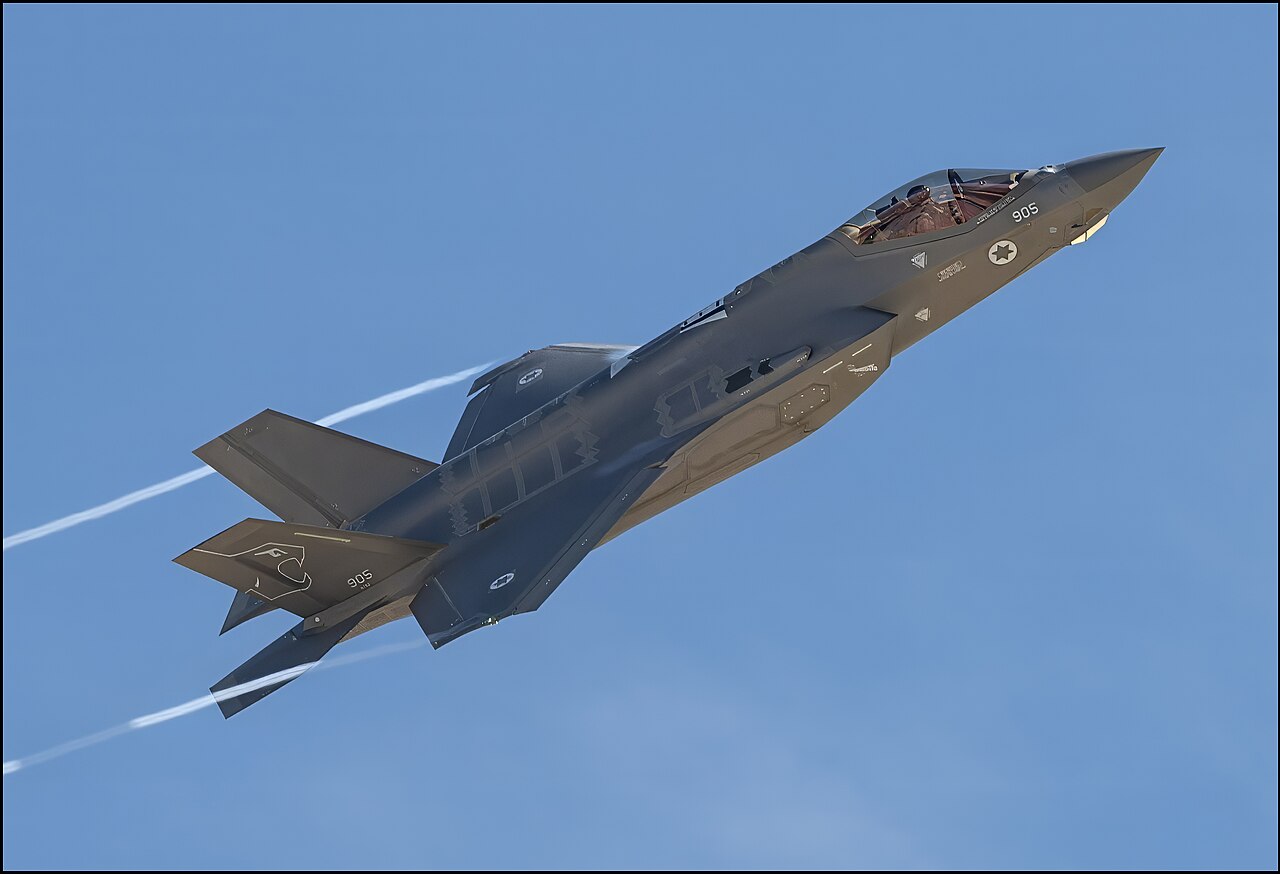
Israel’s security cabinet has reportedly instructed the military to increase readiness for a possible renewed strike on Iran, according to Israeli media. The report arrives as the United States and Iran continue indirect diplomatic contacts and as Iranian officials warn that any new attack could trigger retaliation beyond the region.
A higher state of readiness is not the same as a decision to launch an operation. Militaries routinely prepare options so political leaders can act quickly if circumstances change. Public reporting has not established a timetable, final target list or order to attack. The distinction is important: treating contingency planning as proof that war is imminent could intensify public anxiety and contribute to miscalculation.
The backdrop is nevertheless serious. Israel views Iran’s nuclear and missile programs as enduring threats and has repeatedly said it will act to prevent Tehran from developing a nuclear weapon. Iran rejects that framing and warns that attacks would bring a response. Meanwhile, Washington has kept both pressure and diplomacy in play, with Vice President JD Vance reportedly considering direct talks with a senior Iranian security official.
The central strategic question is whether military readiness is being used to deter Iran and improve negotiating leverage, or whether the two governments are moving toward another confrontation despite diplomatic efforts. Those possibilities can coexist. A credible threat of force may encourage concessions, but it may also harden positions and make a limited incident more dangerous.
There are also political considerations. Israel has a new government forming after a contested election, and any decision to strike would carry domestic consequences as well as regional ones. U.S. involvement would raise further questions about alliance coordination, congressional authority and the risk to American personnel and shipping.
For now, the most accurate description is heightened preparedness, not a confirmed attack plan. The next signals to watch are official statements, changes in force posture, and whether negotiators agree to a framework that addresses nuclear material and sanctions. Does military readiness create space for diplomacy—or make the next miscalculation harder to contain?