Israel vs Spain: Netanyahu Blocks Madrid From Kiryat Gat Center as Gaza Diplomacy Turns Personal
Israel’s decision to exclude Spain from a Gaza-related coordination center reflects a diplomatic rupture that has moved far beyond policy disagreement. Madrid and Jerusalem are now fighting over legitimacy itself.
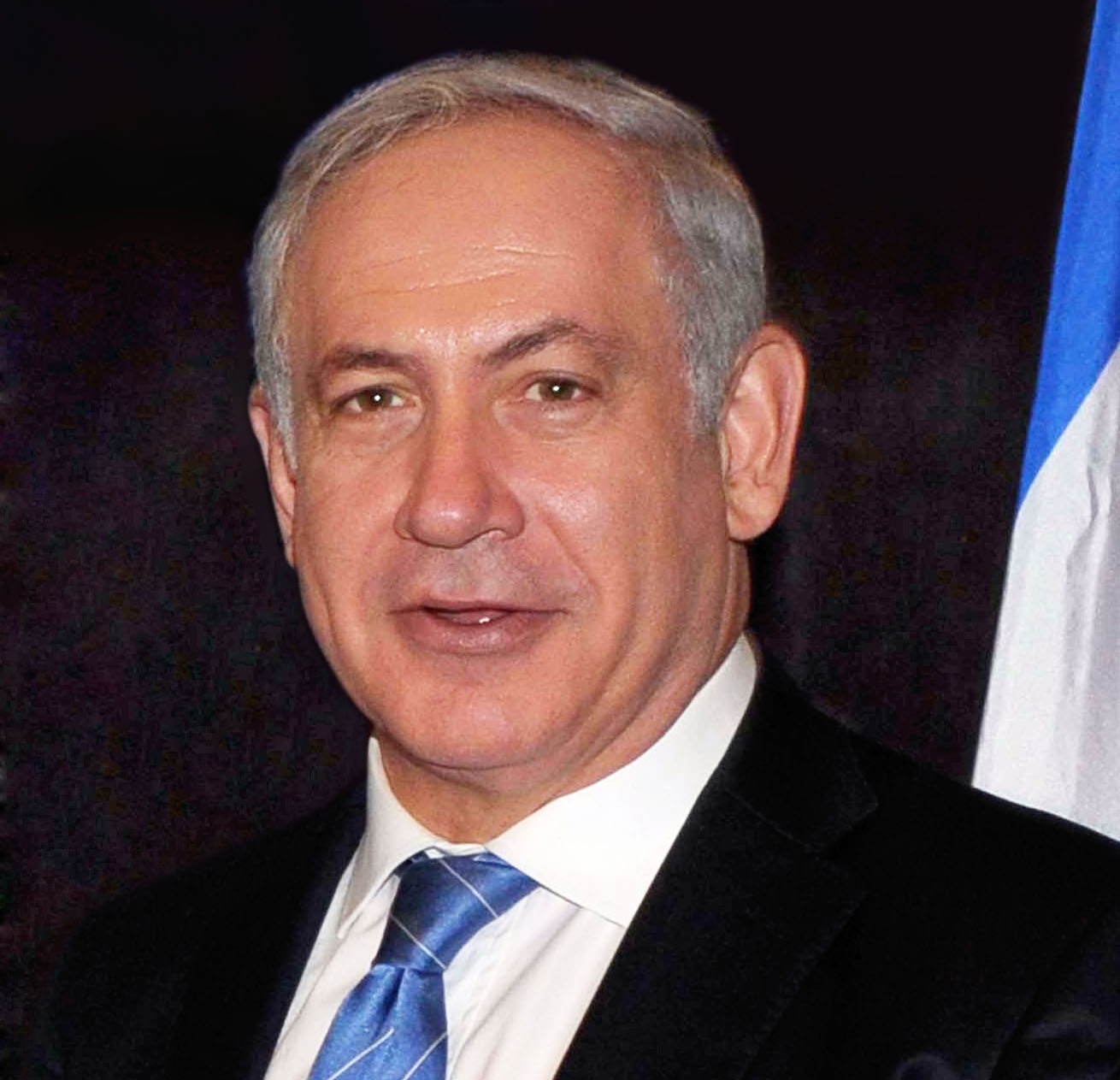
Israel’s decision to block Spain from participating in a civil-military coordination center in Kiryat Gat has turned a diplomatic dispute into a public test of legitimacy. Prime Minister Benjamin Netanyahu accused Spain of slandering Israeli soldiers, whom he described as “the most moral army in the world.” Spanish officials and political figures have responded with language that is just as sharp, accusing Israel of destruction, crime and responsibility before international courts.
This is no longer a quiet disagreement over Gaza policy. It is a rupture over moral authority.
Spain has become one of the most vocal European critics of Israel’s conduct in Gaza and the wider war. Madrid has supported investigations into alleged violations of international law and has positioned itself alongside countries pressing for accountability. Israel sees that stance not as principled diplomacy but as hostile political warfare that delegitimizes its military while the country continues to face Hamas, Hezbollah, Iran-linked forces and broader regional threats.
The Kiryat Gat coordination center matters because it is not symbolic only. Such centers are designed to manage ceasefire monitoring, humanitarian logistics, civil-military communication and stabilization planning. Excluding Spain sends a message: countries that Israel believes are politically hostile will not be allowed inside the machinery of postwar coordination. Netanyahu’s supporters will call that common sense. Why include a government that accuses you of crimes in a sensitive security facility?
Spain’s supporters will answer differently. They will argue that humanitarian coordination should not be turned into a loyalty test, and that criticism of Israeli policy is not slander if it is based on civilian casualties, destruction, displacement and legal concerns. From this view, Israel is punishing a European country for saying publicly what many governments say privately.
The deeper issue is Europe’s split over Israel. Some governments prioritize Israel’s security, hostage concerns and the threat from Iran-backed groups. Others emphasize Palestinian civilian suffering, settlement expansion, Gaza destruction and international law. The result is not one European position but several competing Europes. Spain represents one pole. Germany, Hungary and parts of Eastern Europe represent another. France and Britain often float somewhere between security partnership and legal caution.
Netanyahu’s language is designed for multiple audiences. Domestically, excluding Spain demonstrates toughness against international critics. In Washington, it signals alignment with leaders who accuse Europe of hypocrisy. In Europe, it warns that criticism carries operational consequences. But it also risks confirming the accusation that Israel is unwilling to accept scrutiny unless it comes from allies who already agree with it.
Spain’s language also carries risks. Strong moral condemnation may satisfy domestic constituencies and pro-Palestinian voters, but if it becomes pure denunciation, Madrid may lose influence over the very mechanisms that affect civilians on the ground. Being excluded from coordination may make Spain morally louder but operationally weaker.
That is the tragedy of diplomatic escalation. Each side gains clarity and loses leverage. Israel can keep hostile governments out of sensitive rooms. Spain can keep the pressure alive in public forums. But civilians in Gaza, Lebanon and Israel do not benefit from another channel closing.
The open question is whether this dispute is a temporary diplomatic punishment or the beginning of a new Israeli doctrine: cooperate only with governments that accept Israel’s framing of the war. If that becomes policy, the international system around Gaza will fragment even further.
Spain says it is describing reality. Israel says Spain is defaming its soldiers. Between those two sentences lies the collapse of trust.
And without trust, even humanitarian coordination becomes another battlefield.