Rubio's UN Test: If the World Cannot Condemn Mines in Hormuz, What Is the UN For?
Secretary Marco Rubio is pushing the UN to pressure Iran over ships, mines and humanitarian access. The debate is not only about Hormuz — it is about whether global institutions still work.
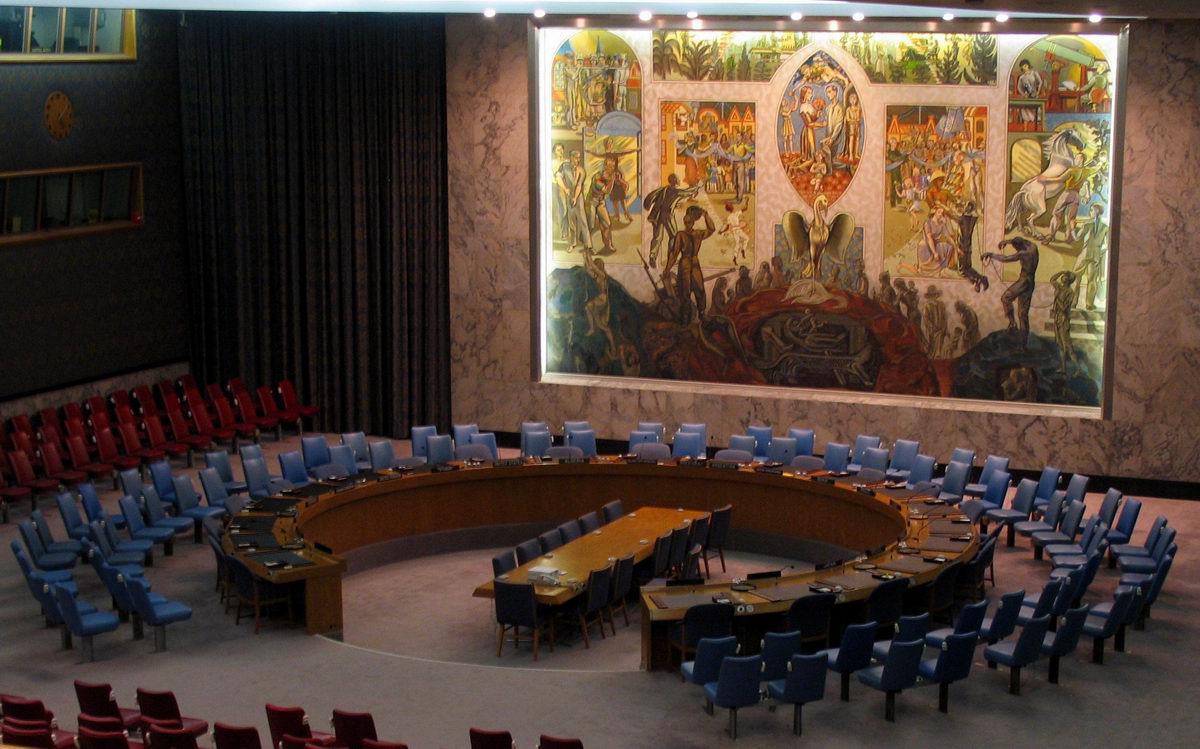
Secretary of State Marco Rubio has turned the Strait of Hormuz into a test of the United Nations itself. His message is blunt: if the international community cannot agree that ships should not be attacked, mines should be removed, and humanitarian relief should move, then what exactly is the UN system still useful for?
That argument is politically powerful because it sounds simple. No ideology. No grand theory. Just ships, mines and food. But the simplicity is also the battlefield. In the Gulf, even the most basic statements become geopolitical traps.
The United States and its Gulf partners are pressing the UN Security Council to call on Iran to stop attacks on shipping, remove mines and allow humanitarian relief. The proposal reportedly avoids a direct authorization of military force, focusing instead on condemnation, possible sanctions and maritime access. That is a calculated move. Washington wants international legitimacy without handing China and Russia an easy argument that the resolution is a blank check for war.
Iran and its supporters will see the matter differently. Tehran argues that the Strait crisis did not emerge in a vacuum. It points to U.S. sanctions, military strikes, Israeli operations, oil restrictions and the broader pressure campaign. From that perspective, the demand that Iran "restore normal passage" while U.S. forces continue a blockade of Iranian ports looks less like neutral law enforcement and more like one side asking the UN to endorse its war aims.
That is why the UN vote matters. It forces every power to choose between legal principle and strategic alignment. Do China and Russia oppose the resolution because they defend freedom of navigation differently, or because they want to block U.S. leverage? Do Gulf states support it because they believe in maritime law, or because their economies depend on reopening energy corridors? Do European countries see a humanitarian route, or a way to contain fuel prices before domestic anger worsens?
Rubio's framing — "if the UN cannot rally behind this, what is its utility?" — is designed to corner reluctant governments. It presents the issue as common sense. But common sense is rare in wartime diplomacy. Every word in a Security Council resolution matters. "Iranian aggression," "illegal tolls," "mines," "humanitarian corridor," "self-defense," "sanctions" — each phrase carries military and legal consequences.
For energy markets, the question is immediate. If the UN process produces pressure on Iran and a monitored shipping route, oil may fall. If the process collapses into another great-power veto fight, traders may conclude that Hormuz remains hostage to military escalation. The price of fuel, insurance, fertilizer and shipping will follow.
For the U.S., the resolution serves another purpose. It tries to recast the war after the main bombing campaign. Operation Epic Fury may be described as over, but Project Freedom still requires legitimacy. A UN-backed humanitarian and maritime frame helps the administration argue that it is no longer fighting Iran directly; it is protecting global commerce.
That distinction may satisfy some governments. It may not satisfy Congress. It certainly may not satisfy Iran.
The real issue is whether the UN can still produce enforceable rules when a major energy chokepoint is contested by a sanctioned regional power, patrolled by the U.S. Navy, watched by China, and priced by every market on earth. Rubio is asking a question many diplomats avoid: is the UN a legal instrument, a theater of speeches, or a place where great powers go to block each other?
The answer may come not in New York, but in Hormuz. If ships move, the UN looks relevant. If ships burn while diplomats argue over language, the world will learn that international law still has a microphone — but perhaps no steering wheel.