Israeli Air Activity Surges Over Two Fronts
Reports of intense Israeli aviation over the West Bank and Galilee come amid alerts near Lebanon, but the purpose of the activity remains undisclosed.
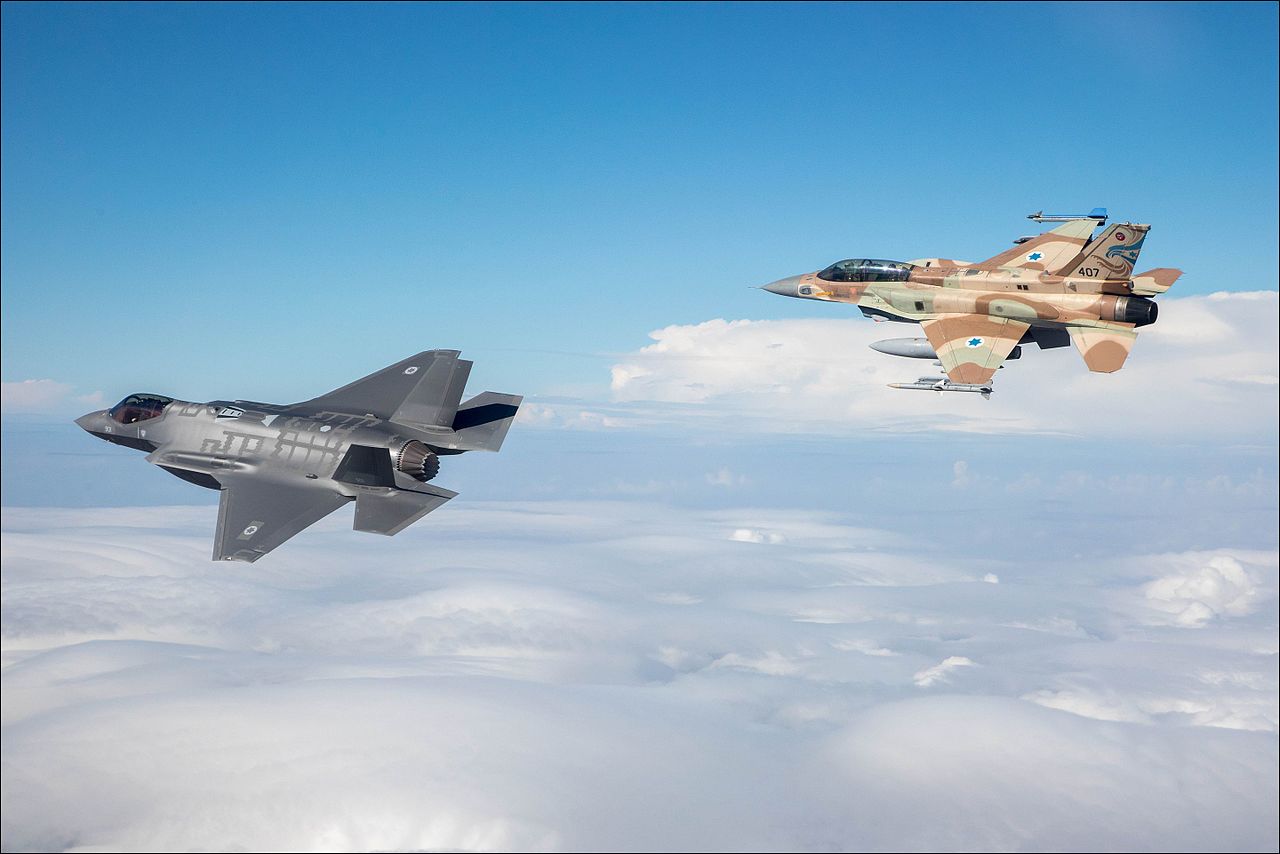
Israeli aircraft have been reported operating intensely over the West Bank and the Galilee, prompting immediate speculation about preparations for strikes in Lebanon, Syria or Palestinian territory. The visible activity is real enough to attract widespread attention, but the mission remains unknown—and that gap is exactly where rumors of an imminent regional attack multiply.
What happened
Residents and open-source channels described sustained military aviation in northern Israel and over parts of the occupied West Bank. Separately, the IDF said it was investigating an unidentified aerial object detected crossing from Lebanon into the Western Galilee near Arab al-Aramshe. Searches initially found no abnormal debris and no special civilian instructions were issued.
Israel has maintained a high operational tempo because of tensions with Hezbollah, threats from Iran-aligned forces and continuing operations in Palestinian areas. Training, patrols, interception missions and preparations for strikes can appear similar from the ground.
Why it matters
The Galilee is a natural focus for air defense and combat air patrols because it borders Lebanon and Syria. The West Bank contains Israeli military zones, settlements and frequently contested airspace. Aircraft observed above either area may be transiting toward another theater rather than acting locally.
Recent warnings of renewed US-Iran fighting and reports that Israel remains on alert add to public sensitivity. A surge in noise can therefore be interpreted through the expectations of the observer rather than confirmed mission data.
Aviation activity becomes strategically meaningful when it is paired with tankers, airborne early-warning aircraft, electronic warfare, reserve mobilization or official airspace restrictions. Those indicators can suggest sustained strike preparation. Isolated videos of jets or contrails cannot reliably identify aircraft types, weapons or destinations.
Israel may also benefit from visible readiness. Keeping opponents uncertain forces them to disperse assets and activate air defenses, consuming attention even if no operation follows. The same signaling can alarm civilians and produce dangerous overreaction near contested borders.
How to read the signal
The central discipline in reading “Israeli Air Activity Surges Over Two Fronts” is separating the documented event from the larger story being attached to it. A strike, arrest, military movement, technical failure or political statement may be real while its cause, scale or strategic meaning remains disputed. Early certainty is often a warning sign rather than proof.
Incentives also matter. Governments want to reassure citizens, deter opponents and preserve freedom of action. Armed groups advertise reach and minimize responsibility. Political critics select details that support a wider argument. The most reliable picture comes from comparing official statements with independent reporting, technical evidence, commercial behavior and what happens next.
Timing is another source of error. Initial reports may use incomplete casualty figures, confused locations or claims made before investigators reach the scene. Later evidence can identify a weapon, revise a number or show that two alerts described the same incident. Preserving those uncertainties is more useful than freezing the first viral version into history.
The practical test is observable implementation. Flight schedules, repair work, sanctions records, verified imagery, court documents, force movements and market prices reveal whether a headline marks a lasting change. Rhetoric can move public opinion immediately, but measurable conduct determines who actually gained leverage.
Verification and competing accounts
Local and open-source observers reported unusually heavy aircraft activity. The IDF separately confirmed investigation of an unidentified aerial object that crossed from Lebanon near the Western Galilee. No official statement connected all observed flights to one operation or confirmed imminent strikes. Sources used for this report include IDF statements, N12, Jerusalem Post, Times of Israel, local open-source reports. Claims from belligerents, anonymous officials and viral posts are attributed rather than converted into established fact. Figures and operational details may change as authorities release evidence or corrections.
No evidence currently proves that the flights were preparation for an attack on Iran or Lebanon. Nor does the unidentified object near the Lebanese border establish a Hezbollah operation; the IDF had not publicly identified it. Claims about a “massive incoming strike” should remain labeled speculation.
What to watch next
Watch for NOTAMs, unusual tanker tracks, reserve call-ups and IDF announcements. If the activity remains unaccompanied by those signals, it may reflect heightened patrols or training rather than the opening movement of a new campaign.