Riyadh Airport Closure Exposes Saudi Arabia’s New War
King Khalid International Airport has faced closure and mass disruption after repeated Houthi attacks killed three people and damaged a parked Saudia aircraft.
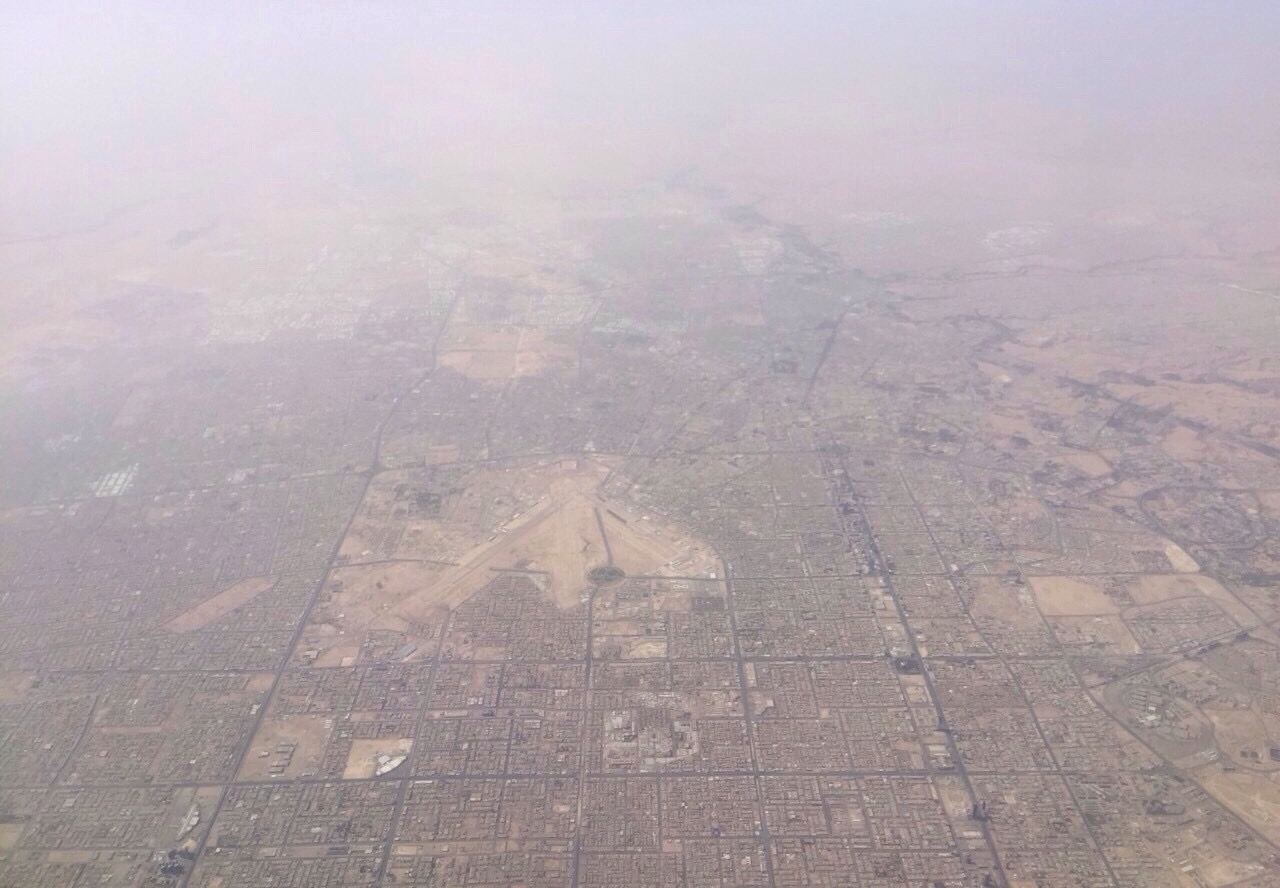
Riyadh’s King Khalid International Airport has faced closure and severe operational disruption after repeated Houthi attacks killed three Saudi nationals, injured others and damaged a parked Saudia aircraft. The strikes have turned the kingdom’s main political and business gateway into a frontline target.
Saudi Arabia’s General Authority of Civil Aviation confirmed the deaths after two attacks on Thursday. Reuters verified video showing smoke and flames at the airport and reported that missile debris or another projectile badly damaged a commercial plane at a terminal.
The Houthis claimed strikes on the airport and warned airlines and workers to stay away from Saudi aviation and energy facilities. Saudi authorities have provided limited technical detail about the weapons and interceptions.
Flight operations have stopped or restarted in waves as authorities inspect runways, terminals and airspace. Describing the airport as “currently closed” can become outdated quickly; passengers should rely on their airline and official airport channels before travel.
The wider disruption is verified. Lufthansa Group, Air India, Air India Express, IndiGo, Akasa, Flydubai and other carriers canceled or suspended services. More than 100 flights were canceled during one period, with many others diverted or delayed.
The European Union Aviation Safety Agency widened its Saudi airspace advisory, citing missile and drone activity, interception debris and the risk that civil aircraft could be misidentified. Aviation risk group OPSGROUP advised operators not to fly in Saudi airspace.
An airport does not need a cratered runway to become unusable. Security alerts force arriving aircraft to hold or divert, crews exceed legal duty hours, inspections delay departures and international airlines reposition planes away from danger. Insurance and employee-risk policies can prolong disruption after physical repairs.
The damaged Saudia aircraft is strategically important because it demonstrates that defenses cannot guarantee a sterile zone around the capital. Saudi Arabia operates advanced Patriot, THAAD and radar systems, but defenders must detect and intercept repeated salvos without sending debris into populated areas.
No air-defense system offers perfect protection. A successful interception can still damage property below. Attackers can combine ballistic missiles, cruise missiles and drones to complicate tracking and exhaust interceptors.
The Houthis appear to be targeting economic confidence as much as military capacity. Riyadh is hosting investment and energy events central to Crown Prince Mohammed bin Salman’s diversification strategy. Repeated airport closures challenge the image of a secure global hub.
Saudi retaliation is intensifying. Aircraft have struck Sanaa, Hodeidah and battlefield positions while PLC forces attempt to retake territory in Yemen. Bombing launch sites may reduce attacks temporarily, but mobile systems, hidden storage and mountainous terrain make complete suppression difficult.
Civil aviation should remain protected under international humanitarian norms. The Houthis may describe the airport as dual-use because it supports state and military functions; the presence of civilian passengers and workers still creates strict obligations to distinguish targets and avoid disproportionate harm.
Saudi strikes face the same rules in Yemen, where airports and ports serve both military and civilian needs. Each side accuses the other of hiding operations within infrastructure used by the public.
The closure is therefore more than a travel inconvenience. It shows how Yemen’s renewed war can reach Saudi Arabia’s economic center and impose costs far beyond the battlefield.
The attack also places difficult responsibilities on airlines. Continuing service can support stranded passengers and preserve economic links, but flying into an actively targeted airport exposes crews and customers. Suspension decisions should use intelligence and risk thresholds rather than political pressure from Riyadh or sensational online footage. Governments must coordinate slots and humanitarian alternatives for migrant workers whose visas, jobs or medical travel depend on access. The closure’s social cost will fall most heavily on people unable to buy flexible tickets or route through another Gulf hub.
Saudi authorities also need to communicate with the public. Minimizing visible damage can prevent panic, but information vacuums fill with rumors about destroyed terminals and hidden casualties. Timely confirmation of closures, interception debris and reopening criteria would improve safety and reduce propaganda value. Credibility is itself a defensive asset during a campaign designed to create fear and economic disruption.
What to watch next
Watch NOTAMs, airline suspension dates, aircraft-damage evidence and additional Houthi warnings. Sustained reopening requires several attack-free days and carrier confidence, not merely an official announcement that the runway is available.